
 Vos Iz Neias
Flock Tightens Police Searches Following Investigation Into Camera Abuse
ATLANTA (VINnews) — Flock Safety CEO Garrett Langley said the company is tightening controls on its nationwide license-plate camera network following a Washington Post investigation that found dozens of cases in which law enforcement officers were accused of improperly accessing the system, including to track former romantic partners.
In an interview with CBS News, Langley apologized to people allegedly affected by the misuse and acknowledged that the company could have acted sooner.
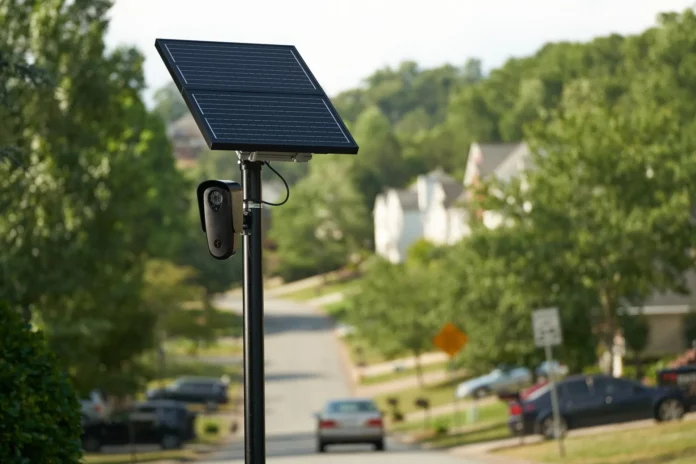
Flock Safety is an Atlanta-based technology company that operates a network of automated license-plate reader cameras. Unlike ordinary security cameras, the systems use software to identify and record license plates along with vehicle details such as make, model, color, location and time.
The technology is used primarily by police departments and other law enforcement agencies to investigate crimes, locate stolen or wanted vehicles, find missing people and develop investigative leads. Flock says its technology is used by thousands of law enforcement agencies and communities across the country.
The company says its network includes more than 120,000 cameras across the United States. Police agencies participating in the system can search vehicle records and, depending on their access and agreements, use information from cameras operated by other participating organizations.
Flock also sells its technology to private neighborhoods, businesses and schools, where cameras can be used to monitor entrances, parking areas and surrounding roads.
The system has drawn increasing privacy concerns because searches can potentially reveal where a particular vehicle was recorded at different times and locations, even when the vehicle is not itself suspected of a crime.
The Washington Post reported that at least 50 law enforcement officers had been charged with or accused of misusing Flock and similar technology. In 46 cases involving Flock specifically, officers allegedly conducted improper searches, with some accused of using the system to monitor romantic partners or other people for personal reasons.
Langley said Flock is responding with new safeguards. Officers will generally be required to enter a criminal case number before conducting a search, with limited exceptions for emergencies. The company will also automatically review searches for unusual activity, a feature that previously was optional.
Flock is also reducing its default data-retention period from 30 days to seven days, although information connected to active investigations can be preserved longer.
Langley defended the technology’s role in legitimate law enforcement investigations while acknowledging the responsibility that comes with providing access to sensitive information.
“When you are given power … you should have higher standards of accountability,” Langley said.
He also warned officers against abusing the system: “You will get caught, plain and simple.”
Privacy advocates, including the American Civil Liberties Union, have criticized the scale of the network and the potential for vehicle-location data to be misused. The ACLU said the shorter retention period could be a step forward but cautioned that the effectiveness of the change will depend on how exceptions are handled.
Flock says its cameras do not use facial recognition and are designed to focus on vehicles rather than individuals. The company maintains that the technology has helped police solve crimes, recover stolen vehicles and locate missing people.
The controversy has nevertheless placed renewed scrutiny on how law enforcement agencies access and use the rapidly expanding network of automated license-plate cameras.