
 Jewish Breaking News
IDF to Open Polling Stations Behind Enemy Lines for Soldiers in Lebanon, Syria and Gaza
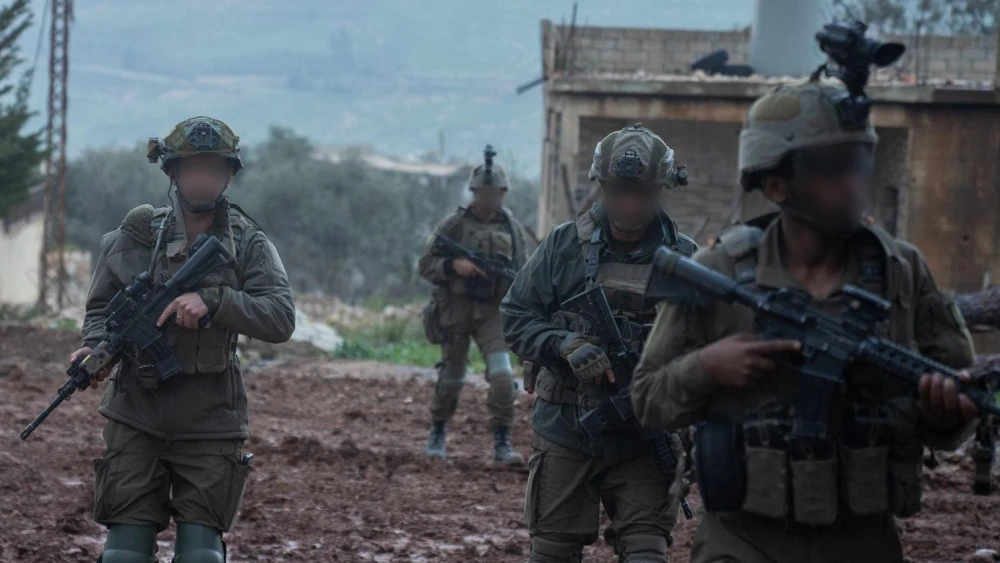
The IDF is preparing to deploy military polling stations inside Lebanon, Syria and Gaza, allowing combat soldiers stationed beyond Israel’s borders to vote in the upcoming national election.
The extraordinary wartime plan was included in a directive issued by IDF Chief of Staff Lt. Gen. Eyal Zamir following a meeting with senior General Staff officers. Army Radio reported that voting facilities could be positioned deep inside active operational zones, an arrangement not seen in decades.

Zamir defined the military’s central objective as “enabling the right to vote while keeping the IDF out of political discourse.” Alongside the logistical preparations, the army will impose tighter restrictions intended to prevent political campaigning from entering military units.
Outside lectures and tours with a political character will be prohibited. Commanders’ official letters, speeches and messages will also be reviewed for inappropriate political content, while a dedicated team will monitor public statements and social media activity by military personnel. Reservists deployed during the election period will remain subject to military rules restricting partisan activity.
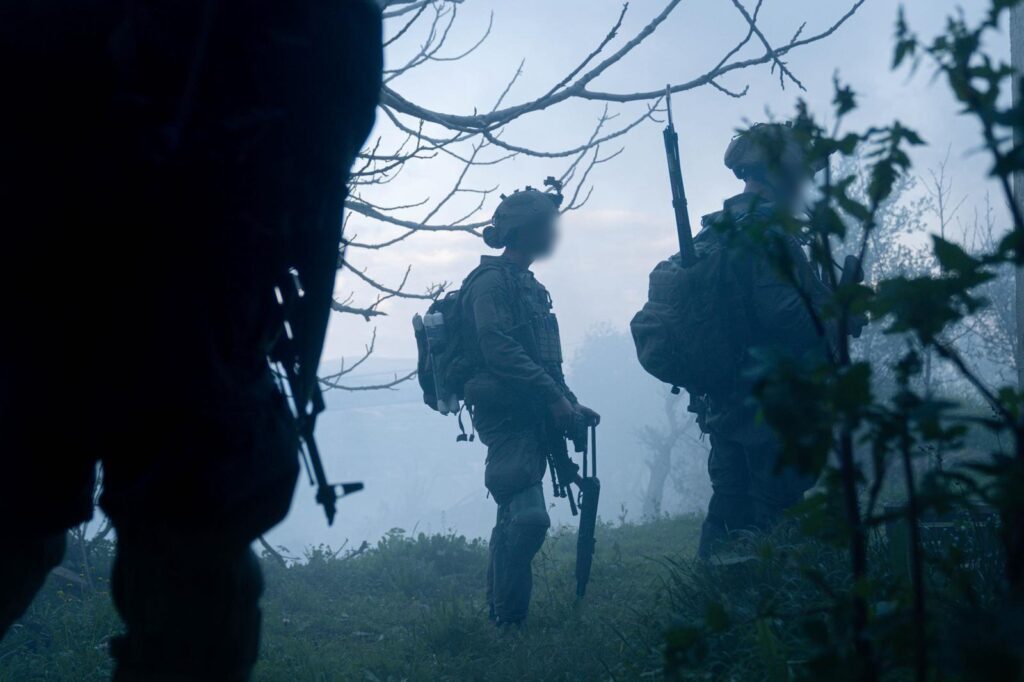
The IDF has operated polling stations under combat conditions before. During the 2024 municipal elections, soldiers voted at military stations in Gaza and along the northern front, while mobile ballot teams traveled between outposts, air-defense batteries and other operational positions. The new plan, however, would extend voting infrastructure across three separate territories beyond Israel’s borders during a national election.
Israel’s October election will be the country’s first national vote since the Hamas-led October 7 massacre and the regional wars that followed. With Israeli forces still operating on multiple fronts, the plan is intended to ensure that soldiers are not forced to choose between their operational duties and their right to vote.

Exact polling locations and security arrangements have not been disclosed. Zamir instructed commanders to rely on established military procedures and avoid steps that could undermine public confidence in the IDF during an exceptionally sensitive election campaign.