
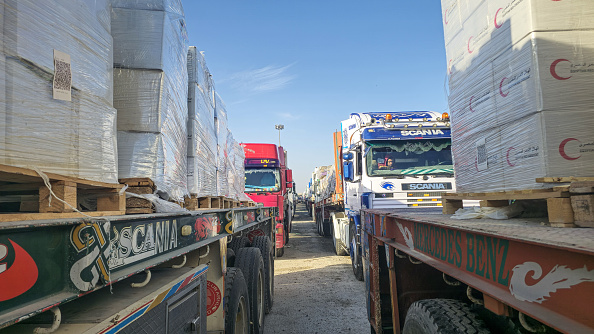

A UNICEF study on child malnutrition in Gaza confirmed what pro-Israel advocacy groups have been saying all along: The previous assessments on acute malnutrition in children during the war were a load of bunkum.
In order to declare a famine in August 2025, the IPC, the U.N.-backed group that produces the gold standard in identifying famines around the world, changed the requirements. Unable to obtain a weight-to-height z-score (standard score, aka WHZ), the IPC used instead a measurement of upper arm circumference (MUAC). To declare a famine, 30 percent of children must fail to meet the WHZ score.
The IPC declared that since MUAC finds half the number of malnutrition cases, then the MUAC number of 15 percent that it found really means 30 percent, and voilà! We have a famine in Gaza.
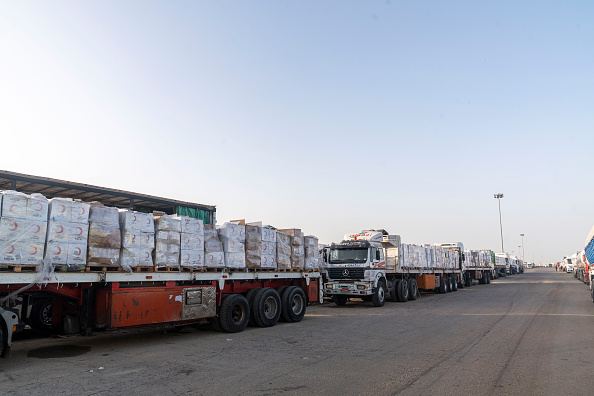
The new UNICEF study turned this all on its head. Without getting into the weeds, suffice it to say that the study found that the rate of child malnutrition in Gaza was similar to that of developed countries during the war and significantly lower than that of its neighboring countries, Egypt and Jordan, in peacetime.
The Israeli Foreign Ministry touted the study on its X account.
“A new study commissioned by UNICEF shows that the nutritional situation in Gaza — contrary to all propaganda — is today better than in all neighboring Arab states and even better than in some European countries,” the ministry posted.
After explaining the numbers, the ministry concluded, “In other words: There is no famine in Gaza. Malnutrition is not only significantly below the critical values — it is exceptionally low in regional comparison. Anyone who is still open to arguments can look at the empirical data themselves.”