
 Jewish Breaking News
Iran Demands U.S. Military Withdrawal, Sanctions Relief and War Reparations Before Reopening Strait of Hormuz
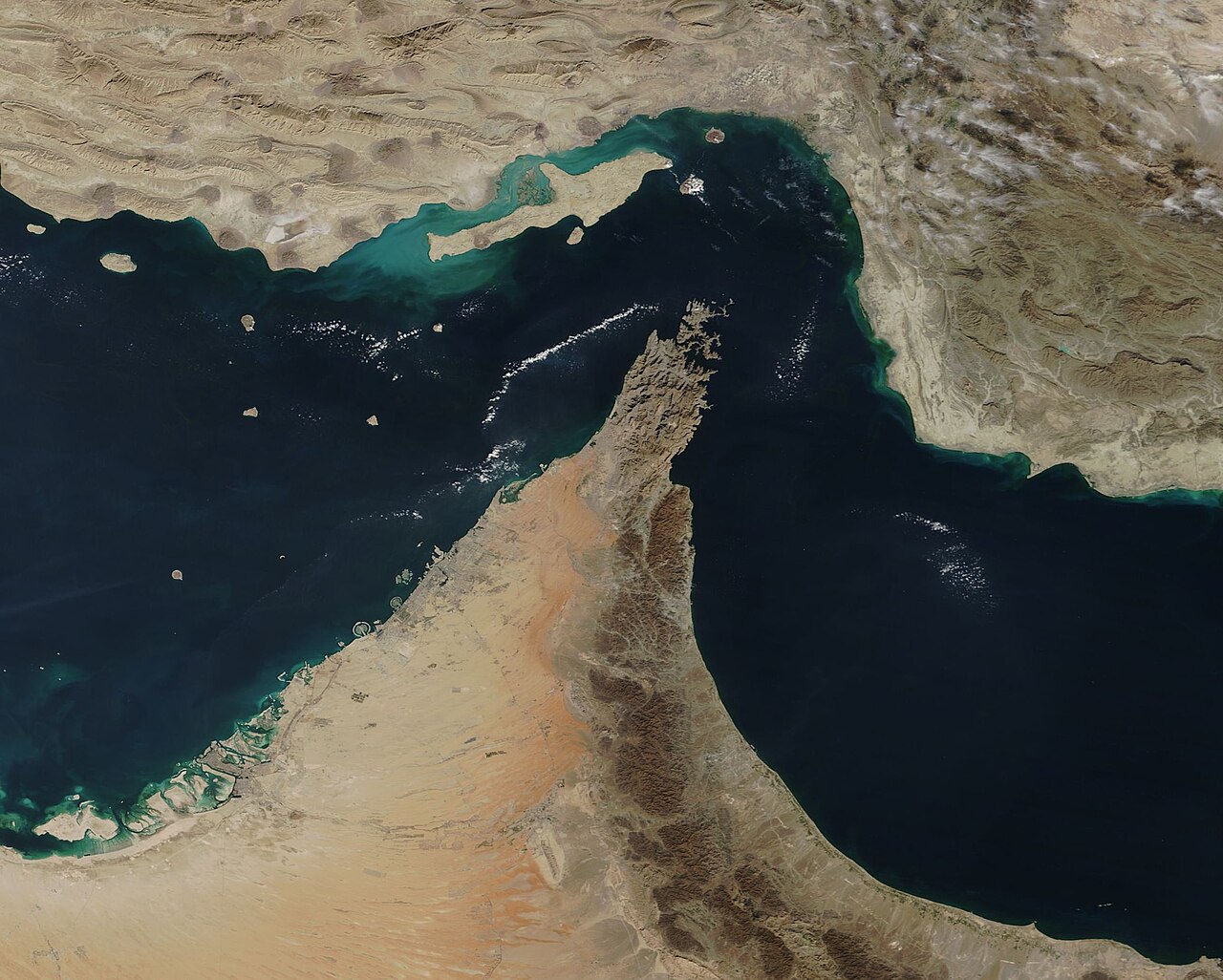
Iran is dramatically raising the stakes in negotiations over the Strait of Hormuz, declaring that even an emerging agreement with Oman will not be enough to reopen one of the world’s most important energy corridors.
Tehran says it is now “very close” to an agreement with Oman over a new shipping route through the strait. But Iranian officials are making clear that the technical navigation deal is only one piece of a much larger confrontation with Washington.
Mohammad Bagher Zolghadr, secretary of Iran’s Supreme National Security Council and a Revolutionary Guard commander, laid out a sweeping list of conditions the United States would have to meet before normal passage is restored.

The demands include an end to U.S. military threats against Iran, an end to military action against Tehran and its Iran-backed allies across Lebanon, Gaza, Yemen and Iraq, the lifting of the U.S. naval blockade and sanctions, the unconditional release of frozen Iranian assets and compensation for damage caused during the war. AP reported that Iran is also demanding the withdrawal of U.S. forces from the region.
That hardline position clashes sharply with recent optimism from Washington. A U.S. official had said an Iran-Oman agreement was expected soon and could allow normal oil traffic to resume, with Washington prepared to lift its blockade of Iranian ports once Tehran implemented its commitments. Iran now says that sequence is not enough.
Iranian Foreign Minister Abbas Araghchi said the existing system separating inbound and outbound shipping lanes is no longer acceptable to Tehran. Iran and Oman are instead working on a temporary route while technical and legal questions surrounding a longer-term arrangement are negotiated. Oman described the discussions as taking place in a “positive and constructive” atmosphere while urging all sides to avoid actions that could derail the talks.
Sources familiar with the negotiations told Reuters that one proposed arrangement would give Tehran control over vessels entering the Gulf through Hormuz, while providing oversight of outbound traffic. Such a concession would significantly strengthen Iran’s influence over a waterway that carried roughly one-fifth of global oil and gas shipments before the war. U.S. officials have previously insisted they would not accept Iranian control over access to the route.
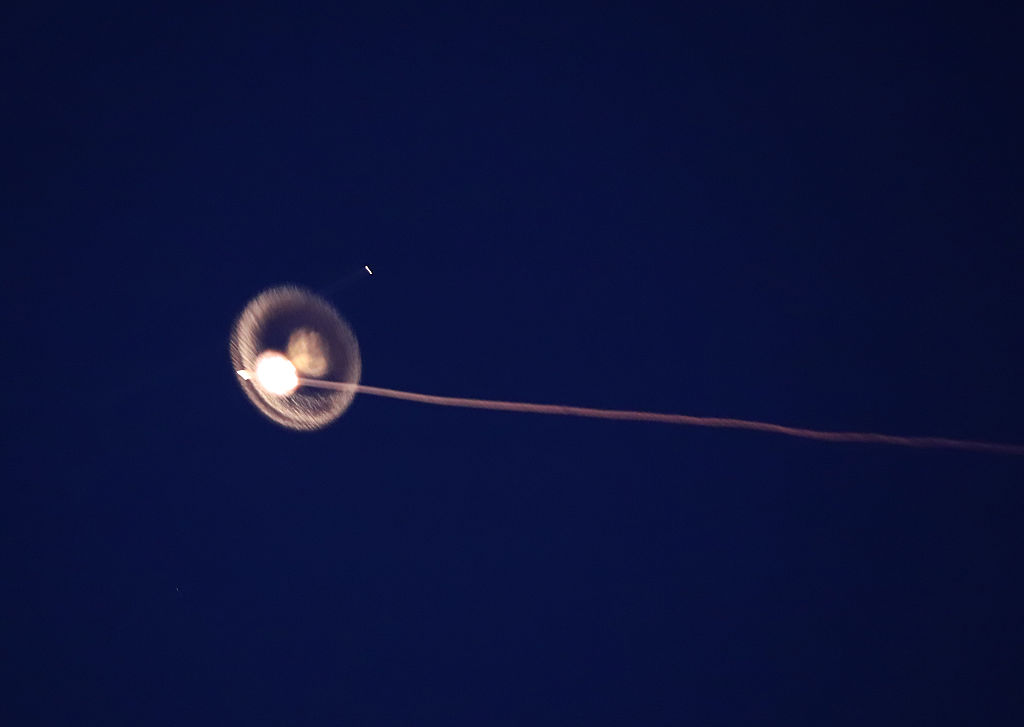
The danger remains immediate. The United Arab Emirates says Iran struck another vessel affiliated with state oil giant ADNOC with a missile while it was transiting the strait. No injuries were reported. ADNOC says more than a dozen of its vessels have been attacked by missiles or drones during the conflict, leaving one crew member dead and 20 wounded.

Iran’s Revolutionary Guards have meanwhile reinforced Tehran’s position: reopening Hormuz will depend on Washington accepting Iran’s conditions, not simply on reaching a navigation arrangement with Oman.
The result is a widening gap between an agreement on how ships might move through Hormuz and an agreement that actually restores unrestricted commercial traffic.
For Washington, the challenge is increasingly stark. A deal could ease pressure on energy markets and remove one of the most dangerous flashpoints in the war, but Tehran is attempting to turn control of Hormuz into leverage for sanctions relief, reparations and a broader reduction of the American military presence in the Middle East.
For now, the negotiations are moving forward. The strait itself remains the bargaining chip.