
 JBizNews
JPMorgan Cut Off Polymarket’s Banking — Exposing a Bigger Risk for Prediction Markets
Prediction markets may be attracting billions of dollars in trading, investors and valuations, but Polymarket has learned that regulatory approval does not guarantee something every financial company still needs: a bank willing to hold its money.
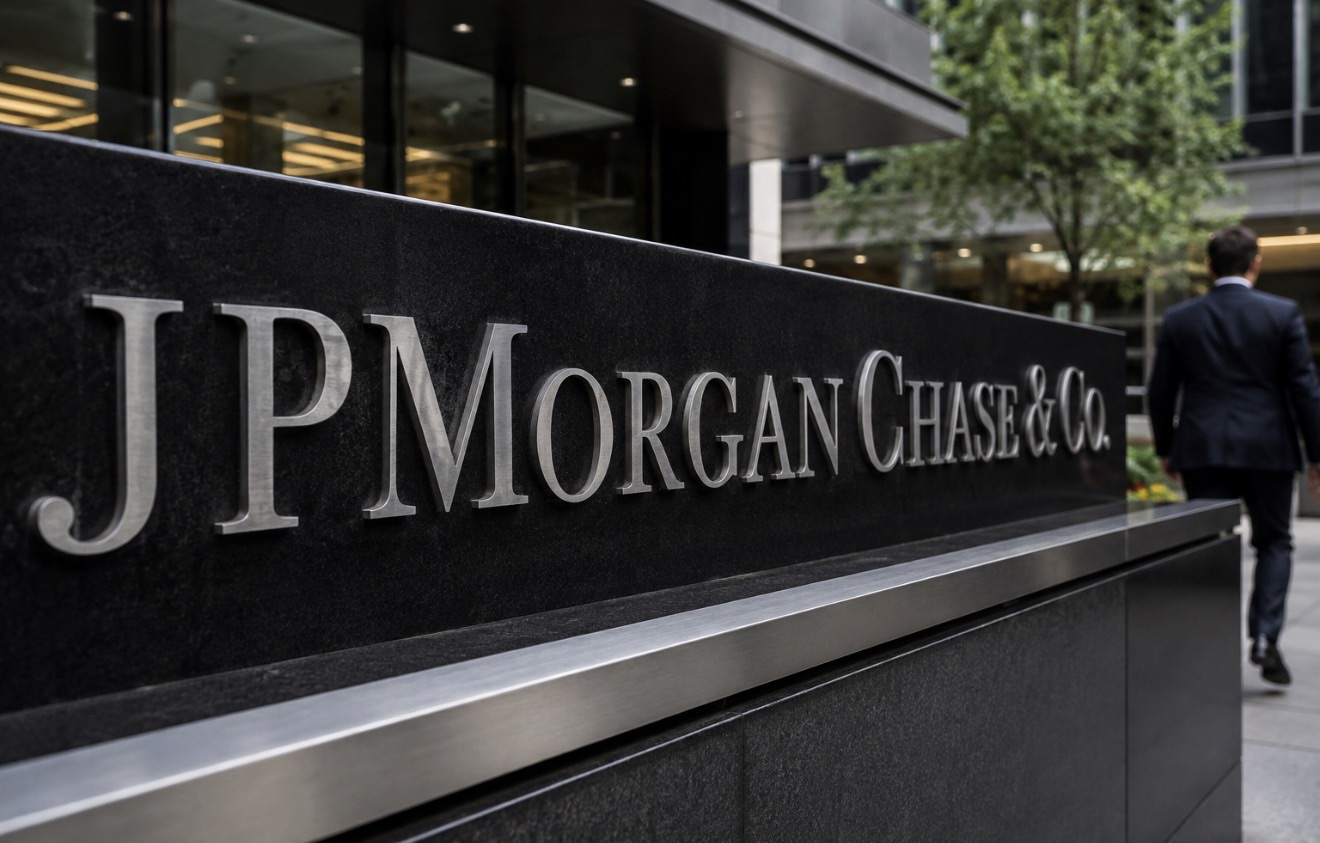
JPMorgan Chase ended its banking relationship with Polymarket in October 2025, citing regulatory concerns surrounding the fast-growing prediction-market business.
The decision did not completely sever ties between the two companies. Polymarket continues to interact with parts of JPMorgan, and the bank has maintained relationships with other companies in the sector.
But losing an ordinary banking relationship exposes a vulnerability that applies across fintech and crypto:
A company can raise enormous amounts of capital, attract millions of users and operate sophisticated technology — and still face serious problems if major banks decide the regulatory risk is too high.
Polymarket allows users to trade contracts tied to whether future events will occur, covering areas ranging from elections and economic policy to sports and other real-world outcomes.
The industry has exploded in popularity, but regulators are still debating where prediction markets belong.
Supporters argue the contracts are federally regulated financial products that can provide valuable information about expectations for future events.
Critics argue that many of the contracts function much like gambling and should be subject to state gaming laws and consumer protections.
That unresolved legal landscape creates a separate problem for banks.
Financial institutions do not merely ask whether a customer’s business is technically legal. They also consider whether serving that customer could expose the bank to future enforcement actions, compliance costs, money-laundering concerns or reputational damage.
That can make banking access its own form of business risk.
Polymarket previously ran into federal regulators in 2022, when the Commodity Futures Trading Commission accused it of operating an unregistered derivatives platform. The company paid a penalty and restricted access for U.S. users.
It has since returned to the American market through a regulated structure, but scrutiny has not disappeared.
Prediction-market companies are facing legal challenges from states that argue certain contracts amount to unauthorized gambling. New York City officials have separately begun examining marketing practices in the industry, including whether platforms are targeting young users with misleading or aggressive promotions.
That uncertainty helps explain JPMorgan’s caution.
Yet the relationship is unusually complicated.
JPMorgan has reportedly continued working with Polymarket in other capacities even after withdrawing traditional banking services. Earlier this year, the bank offered some wealth-management clients access to a Polymarket fundraising round that valued the company at roughly $14.5 billion.
Polymarket is now reportedly seeking additional capital at an even higher valuation.
That creates a remarkable contradiction.
A major bank can apparently consider Polymarket attractive enough to introduce to wealthy investors while simultaneously deciding that maintaining its basic banking relationship creates too much regulatory risk.
For business owners, that distinction is important.
Banks increasingly act as an additional layer of regulation for emerging industries. Crypto companies, cannabis businesses, gambling operators, payment companies and other businesses operating in legally complicated sectors can discover that being permitted to operate and being permitted to bank are two different things.
Without reliable banking relationships, companies can struggle with payroll, vendor payments, customer funds, financing and everyday cash management.
For prediction markets, that could become increasingly important as the industry grows.
Platforms such as Polymarket and Kalshi are attempting to move from relatively niche trading products into mainstream financial and consumer businesses. Doing that requires not only customers and regulatory licenses, but dependable access to banking, payment and settlement infrastructure.
Polymarket found another banking provider after JPMorgan ended the relationship.
But the episode illustrates the industry’s larger challenge.
Prediction markets are trying to convince investors that they belong beside exchanges, brokerages and other mainstream financial institutions.
Some of the world’s largest banks are apparently not yet convinced that serving them is worth the risk.
JBizNews Desk | New York
© JBizNews.com All Rights Reserved. Reproduction or distribution without written permission is prohibited.