
 Matzav
Likud Veteran Dismisses Anti-Chareidi Campaign: ‘The Chareidi Issue Is Nonsense’
Veteran Likud activist Chilik Attias pushed back against efforts to make the Chareidi draft controversy a central election issue, while also sharply criticizing divisions on the political right and expressing opposition to reserved slots on the Likud slate ahead of the party’s upcoming primaries.
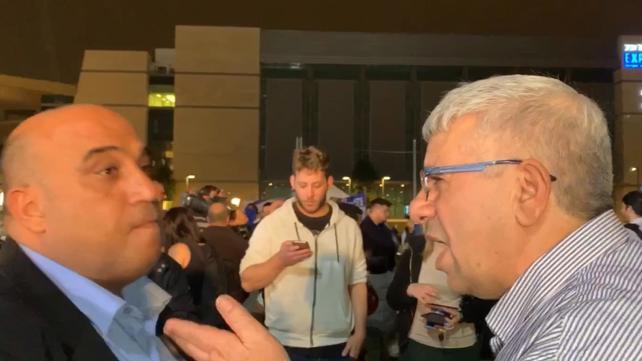
Speaking with Avi Mimran on Kol Chai’s main news program ahead of the Likud primaries, Attias discussed the internal battles within the party, defections from the right-wing bloc, the draft issue, judicial reform and the balance between party activists and Likud members in determining the party’s electoral slate.
Attias began by criticizing the media’s focus on rumors and internal political battles surrounding the primaries.
“We are currently a party holding primaries, democratic primaries, a celebration of democracy, something that truly does not exist in any other party,” he said.
Asked about reports surrounding Nir Barkat, Attias said that “anything is possible,” but argued that attention should be focused primarily on the democratic process itself rather than the political confrontations surrounding it.
Attias was particularly critical of figures who have left Likud or are reportedly considering doing so, including Yuli Edelstein and Gilad Erdan, comparing their moves to Gideon Sa’ar’s earlier departure from the party.
“They are making a mistake. Instead of seeing what happened to Gideon Sa’ar, they are now making the same mistake,” Attias said.
He argued that even serious ideological disagreements should be fought from within Likud rather than by abandoning the party.
“They could have fought within Likud for the things they believe they are right about,” he said.
Turning to Erdan, Attias added: “He was with us all along… and today he is doing exactly the same thing. For what? To weaken the right-wing camp?”
The conversation also turned to the Chareidi draft issue and political efforts to capitalize on opposition to the Chareidi community. Attias dismissed the strategy outright.
“It’s nonsense, this Chareidi issue,” he said.
“The Chareidim need to sit down and see — those who are not enlisting should enlist. Those who learn Torah and are capable of learning should do so in an organized manner,” Attias said.
He predicted that even political figures currently positioning themselves against the Chareidi parties will ultimately seek their support when coalition-building begins.
“Even Eisenkot will come to the Chareidim and offer everything,” Attias said.
On the judicial system, Attias struck a more cautious tone than some other figures on the Israeli right, saying he does not favor the terminology that has dominated the debate in recent years.
“The word ‘reform,’ in my opinion, is a somewhat harsh word,” he said, suggesting instead that the discussion focus on “corrections” and “changes regarding the judiciary.”
Nevertheless, Attias said significant changes are necessary, including to Israel’s judicial seniority system.
“It cannot be that seniority transfers a kingdom from one person to another,” he said.
At the same time, he cautioned against attempting to overhaul the system all at once.
“It needs to be done carefully, intelligently, with agreements, gradually… You cannot turn everything upside down in one day,” Attias said.
Attias reserved some of his strongest criticism for Prime Minister Benjamin Netanyahu’s use of reserved slots on the Likud electoral slate. He said the original understanding was that the impact of those slots would be offset by opening district positions to sitting ministers and Knesset members.
“What happened in practice? They didn’t get the districts… and they also got the reserved slots. They both ate the stinking fish and were thrown out of the city,” Attias said.
He argued that the number of reserved positions should have been reduced or that the original agreement should have been honored.
When Mimran raised the argument that Netanyahu needs new political “stars” to strengthen Likud’s candidate list, Attias defended the right of registered party members to determine who represents them.
Referring in part to reports involving Likud MK Tally Gotliv, Attias said: “Either you trust the party members, 160,000 party members, or create an appointments committee.”
If Likud is going to hold genuine primaries, he argued, its members should be permitted to make their choices without excessive interference from outside political or media forces.
Attias concluded by expressing hope for a strong turnout in the primaries and fewer backroom arrangements among candidates and party power brokers.
“I just hope that tomorrow, with Hashem’s help, a very large number of party members will actually come out, and they will make the decision about whom to choose,” he said.
“I hope that this time there will be no deals, and there will be nothing under the table and all kinds of things, and that they will truly vote for the best Knesset members.”