
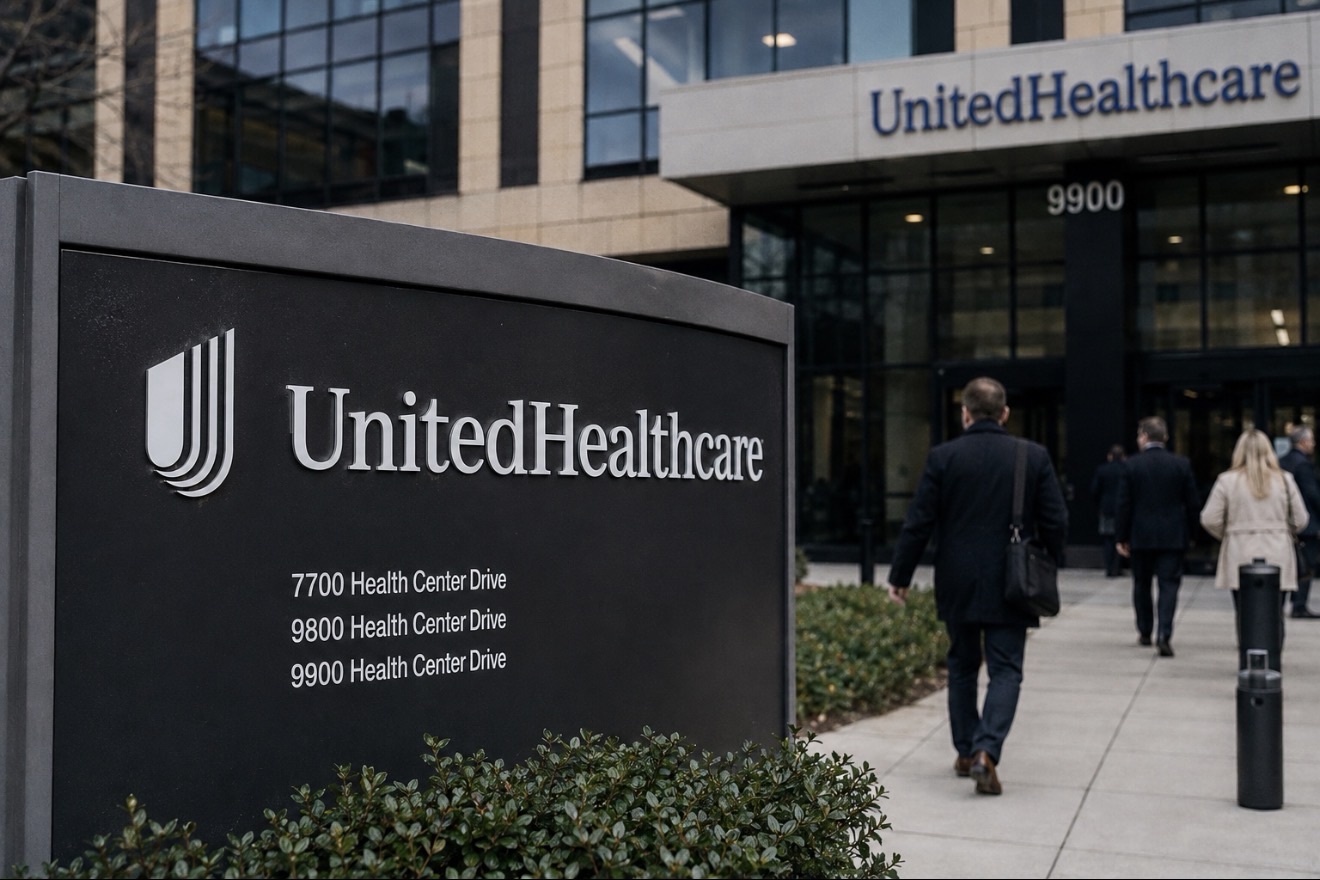

Two large investors are suing UnitedHealth Group’s directors, arguing the board saw the warning signs of fraud, weak cybersecurity and bad claims practices for years and did nothing about them.
The case is what lawyers call a derivative suit, meaning the shareholders are suing the directors on the company’s behalf rather than for themselves — any money recovered goes back into UnitedHealth. The plaintiffs include Rhode Island’s public employee retirement system and Swedish asset manager Länsförsäkringar Fondförvaltning, which holds more than $123 million of UnitedHealth stock. They accuse directors and officers of missing red flags of misconduct and serious regulatory problems and taking no steps to fix them.The complaint covers conduct from September 2021 through July 2025 and says the fallout erased more than $277 billion in shareholder value between December 2024 and August 2025.
The cybersecurity piece is the part most readers will recognize. Plaintiffs say the company misled a federal court about data firewalls during its $13 billion purchase of Change Healthcare, and that weak security helped cause the 2024 ransomware attack that exposed data on roughly 190 million people — better than one in two Americans. Change Healthcare processes a large share of the nation’s medical claims, and the attack froze payments to doctors and hospitals for weeks.
Some of the new allegations come from former Change Healthcare employees identified in the filing as confidential witnesses, two of whom described lax security practices. The filing is an amended version of a suit first brought in 2024, and shareholders reviewed company books and records before filing it, though much of that material is blacked out in the public copy.
On the billing side, the suit alleges UnitedHealth inflated Medicare Advantage revenue by making members appear sicker than they were through diagnoses the plaintiffs call unnecessary, pulling in $8.7 billion in federal money in 2021 alone, and that it used automated algorithms to deny rehabilitation care after hospital stays. It also claims executives including Stephen Hemsley, Andrew Witty and the late UnitedHealthcare chief Brian Thompson sold more than $237 million of stock while the alleged problems were still hidden from investors.
None of this has been proven. The next step belongs to the judge, who decides whether the claims are strong enough to proceed to discovery — the stage where internal emails and board minutes get pulled into the open. That is the real pressure point in a case like this, and it is usually where settlements start.
UnitedHealth is fighting on more than one front. A separate securities fraud case led by the California Public Employees’ Retirement System is awaiting a ruling on the company’s motion to dismiss, and the company, based in Eden Prairie, Minnesota, is facing several shareholder suits tied to the stock’s slide from its 2024 record.
For investors, the practical question is cost. Shares were quoted near $399 in recent trading, up more than 20 percent this year but still well under the 2024 high. Legal exposure of this size tends to land as settlement charges, higher insurance costs and tighter oversight requirements — expenses that eventually show up in premiums.
JBizNews Desk | New York
© JBizNews.com All Rights Reserved. Reproduction or distribution without written permission is prohibited.