
 Jewish Breaking News
Israel Strikes Syrian Airbase to Block Turkish Military Deployment as U.S. Warns Turkish Jets Nearly Scrambled Against IAF
Israel has confirmed striking a military airbase in northwestern Syria, saying it acted to stop an impending Turkish military deployment that Jerusalem viewed as a direct security threat. The operation has now emerged as a far more dangerous episode than initially understood, with a senior U.S. envoy warning that Turkish jets could have been scrambled against the Israeli aircraft.
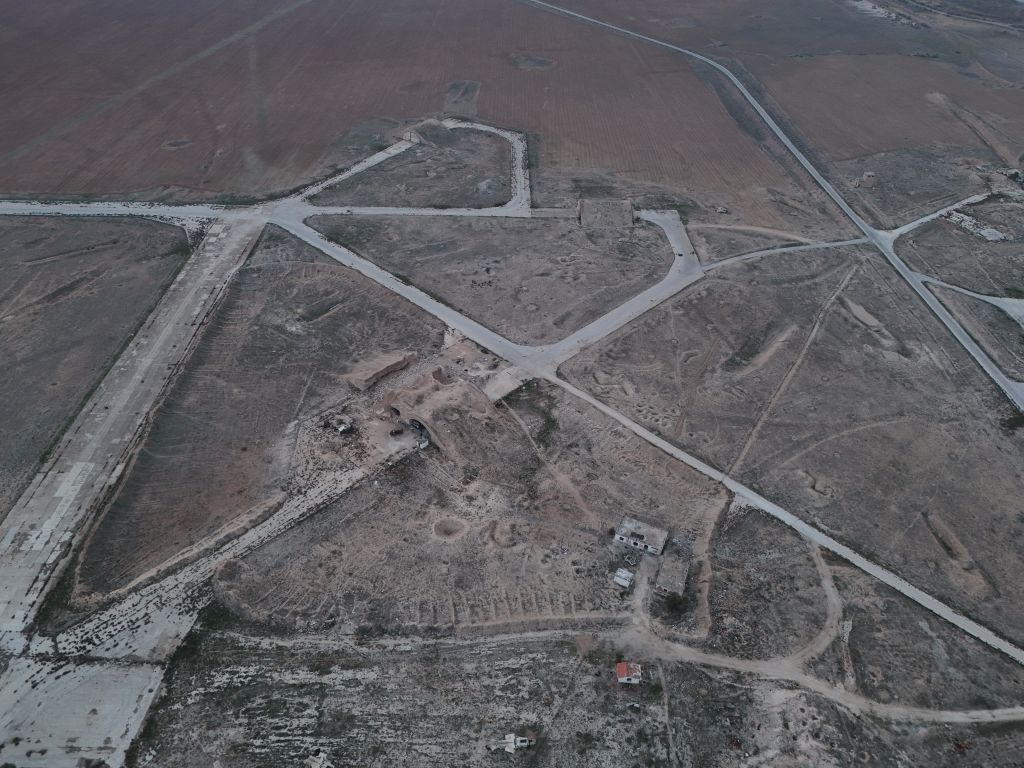
Syrian sources said eight Israeli strikes hit the runway and storage facilities at the Abu al-Duhur airbase in Idlib, roughly 70 kilometers from the Turkish border. No casualties were reported. Israel initially remained silent, but the Prime Minister’s Office later publicly acknowledged the operation and said Syria was on the verge of violating a security “status quo” by permitting Turkish troops to deploy at the base.
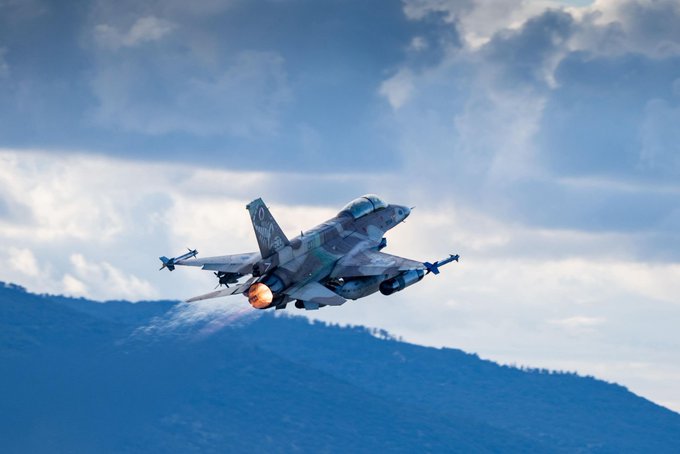
“Israel repeatedly warned Syria that such a deployment would pose a threat to Israel’s security,” the Prime Minister’s Office said, adding that Damascus ignored the warnings and that Israel would not tolerate the development. Israeli security sources told The Jerusalem Post that Jerusalem had attempted to resolve the issue through indirect talks with Syrian President Ahmed al-Sharaa’s government before resorting to military action. Syria disputes that account.
The Turkish connection is no longer purely theoretical. Two Syrian officials told the Associated Press that a Turkish delegation visited Abu al-Duhur shortly before the Israeli strike to inspect rehabilitation work at the facility. It was the first confirmed Turkish presence at the airbase, although Ankara has denied that Turkish troops were actually stationed there.
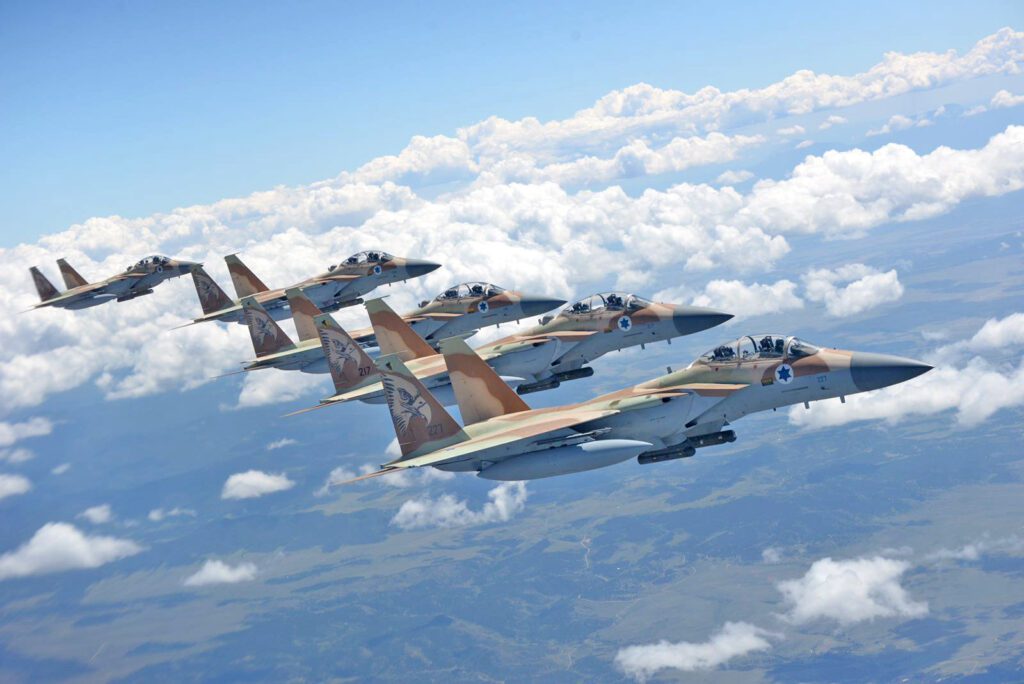
The most alarming development came from U.S. Ambassador to Turkey and Syria envoy Tom Barrack, who said the operation carried a genuine risk of escalating into a direct Israel-Turkey military confrontation. According to Barrack, Turkish forces did not know the Israeli aircraft were heading toward Abu al-Duhur and could potentially have interpreted their flight path as an attack on Turkey itself.
Turkish jets therefore could have been scrambled before Ankara understood Israel’s target and intentions. “Thankfully, calm heads were able to prevent the situation from deteriorating further,” Barrack told Reuters. Washington is now pushing to strengthen military communication among Israel, Turkey and Syria, including discussions over a permanent deconfliction mechanism designed to prevent exactly such a misunderstanding.
The dispute goes far beyond a single Syrian runway.

Turkey has become one of the strongest foreign backers of al-Sharaa’s government, training Syrian forces and helping Damascus rebuild military and state infrastructure after the collapse of Bashar Assad’s regime. Israel, meanwhile, has made clear that it will not accept Turkish military capabilities in Syria that could restrict the Israel Air Force or create a new strategic threat near Israel’s borders.
One major Israeli concern is advanced Turkish radar and air-defense infrastructure. Israeli officials have previously raised alarms over a Turkish HTRS-100 radar system at Damascus International Airport, which can reportedly track aerial targets across a range of roughly 150 to 200 kilometers. Jerusalem fears that a growing network of Turkish-controlled or Turkish-assisted bases, radar systems and air defenses could eventually limit the IAF’s freedom of operation over Syria.
Israel has already demonstrated that it is willing to enforce that red line. It previously struck Syria’s T4 airbase after reports that Turkey sought to rehabilitate the facility for military use, including as a potential drone base. The Abu al-Duhur strike sends essentially the same message farther north: Turkish military expansion inside Syria will not automatically be treated as an internal Syrian matter when Israel believes it could alter the regional balance.

Ankara has rejected Israel’s account, calling the allegations surrounding its Syrian activities “untenable” and accusing Jerusalem of using them to justify strikes on Syrian territory. Turkey says it will continue cooperating with Damascus, while Syria has condemned the bombing and insists it seeks de-escalation rather than confrontation with Israel.
For Israel, however, the strategic question is increasingly clear. Iran was once the dominant foreign military threat operating through Syria. With Tehran’s position dramatically weakened and Turkey expanding its influence under Syria’s new government, Jerusalem is now confronting a different challenge: preventing a powerful NATO military from establishing capabilities in Syrian territory that Israel believes could restrict its ability to defend itself.

The immediate crisis passed without casualties or an Israel-Turkey exchange of fire. But the fact that Washington is urgently discussing a new round-the-clock deconfliction system shows how thin the margin for error has become. The next aircraft approaching a disputed Syrian base may leave considerably less time for everyone involved to determine where it is going, and why.