

 The Lakewood Scoop
A Fascinating Look at the Yanuka, as His New Sefer Is Released in English in America
There are some people whose names become familiar even to those who have never met them.
Rav Shlomo Yehudah Be’eri, known throughout the Jewish world as the Yanuka, is one of those people.
For years, people have heard about the young Israeli tzaddik — his extraordinary hasmadah, his remarkable breadth in Torah, his humility, his music, and the deep impression he leaves on those who spend time in his presence.
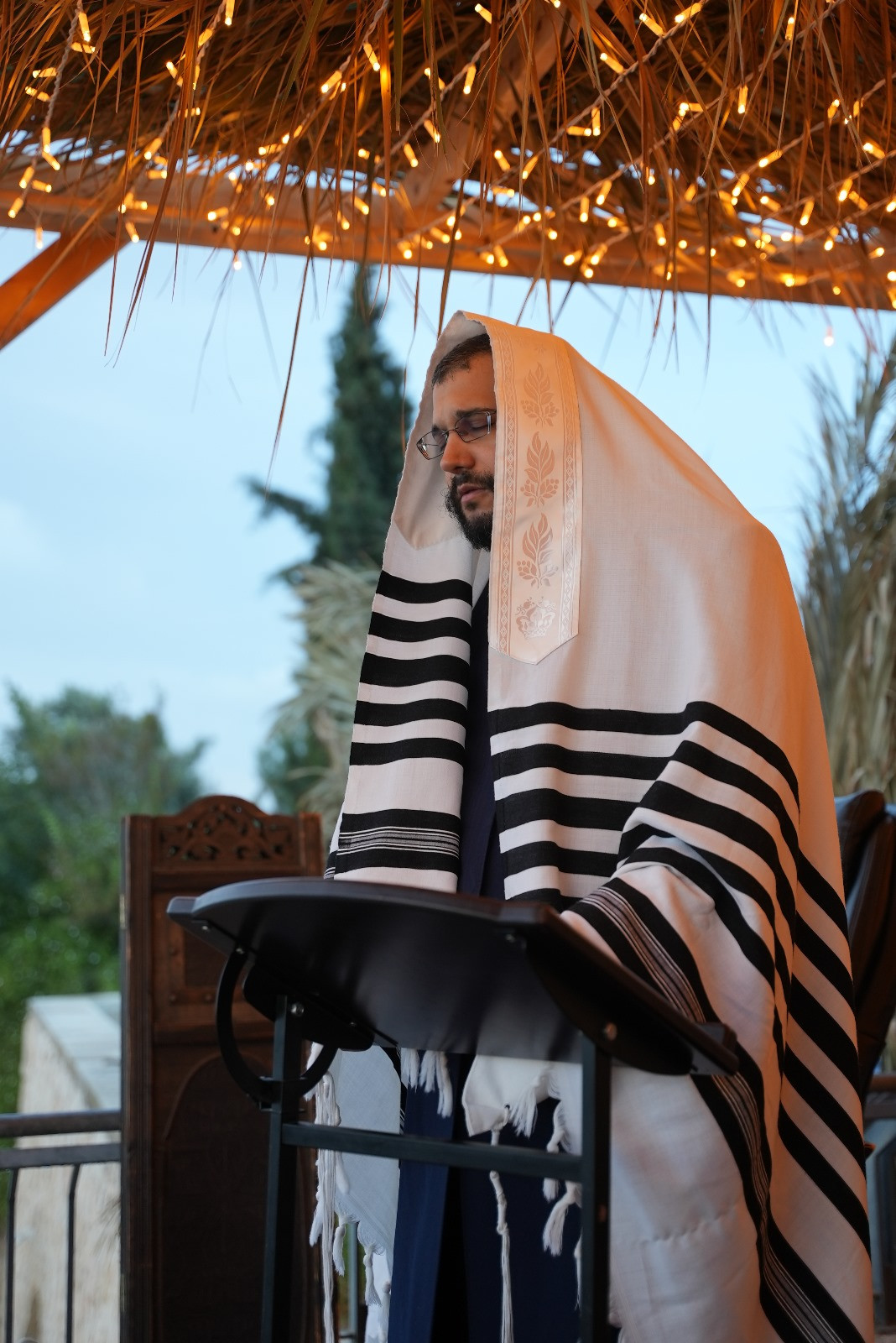
But beyond the stories and the unusual circumstances surrounding his rise to prominence, there is something even more fascinating: his Torah.
As Rabbi Nachman Seltzer discovered when he traveled to meet the Yanuka for a Mishpacha feature, a short conversation with him quickly turns into an encounter with an extraordinary world of Torah.

Even in simple conversation, his words are filled with references from Shas, Shulchan Aruch, Midrashim and Tanach. His approach to Torah is broad and deep, but at the same time remarkably practical. Again and again, he returns to the same idea: Torah is not meant to remain abstract. It is meant to change the way a person lives.
That philosophy is at the heart of his newest sefer, Derech Eitz Chaim, which has now been released in English and is available in America.
The sefer takes Torah concepts that can often seem complicated and makes them accessible through the words of the great Torah authorities who came before him.
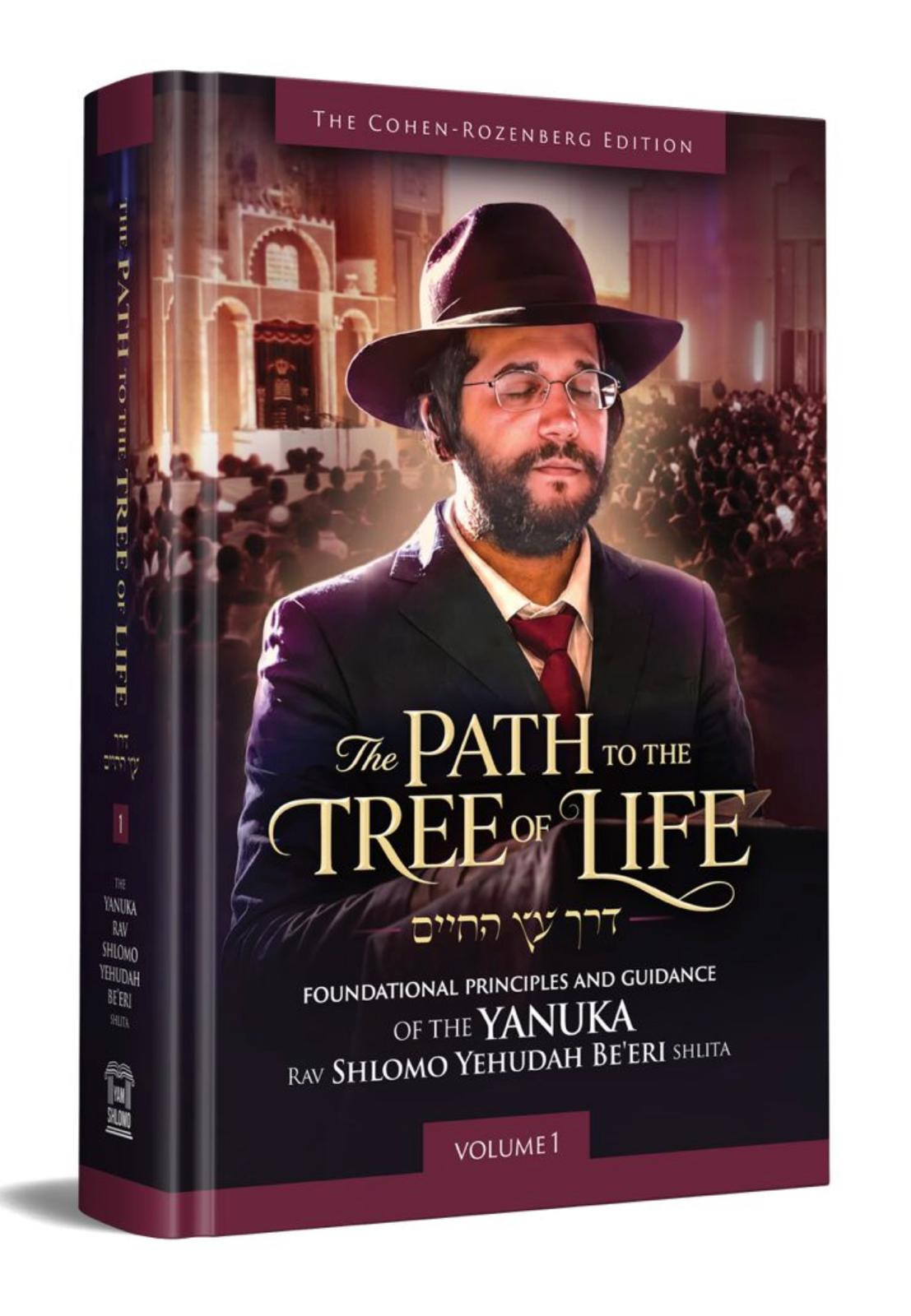
The Yanuka explains that he does not seek to build his explanations on his own intellect. Instead, he draws on the words of the Rambam, the Meiri, the Seforno, the Ibn Ezra and other great Torah scholars, presenting their ideas and bringing them into focus through his own perspective.
In his words, he is essentially explaining Torah while “standing on the shoulders of giants.”
The goal is not simply to understand another difficult Torah concept.
It is to understand what that concept means for us.
The Yanuka wants a person learning his Torah to be able to connect with Hashem from wherever he currently finds himself in life. He wants complicated ideas to become clear, practical and relatable — so that a person can experience the sweetness of Torah that comes from genuinely understanding what he is learning.
That approach reflects the Yanuka’s own unusual Torah journey.
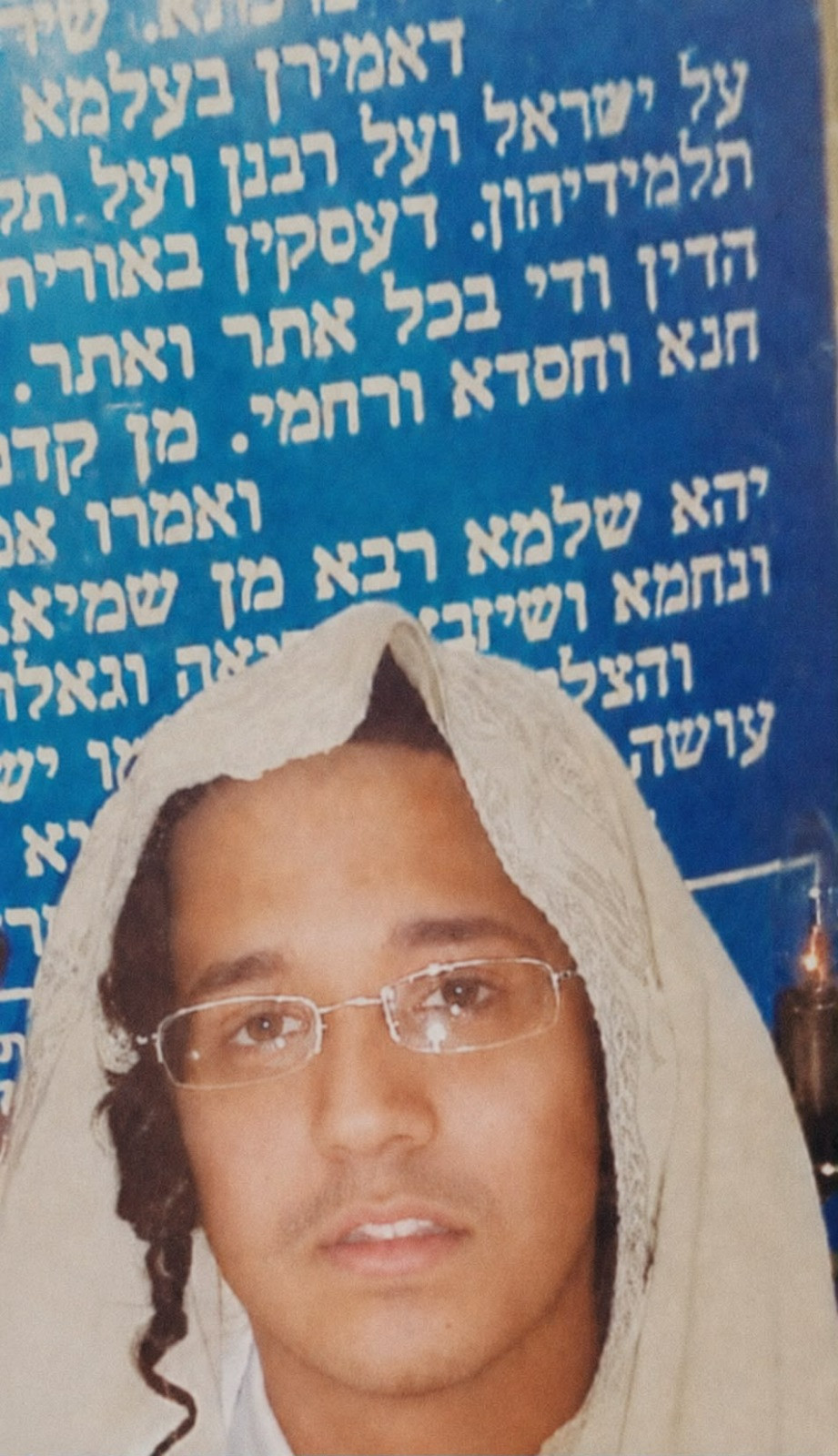
Raised in a simple Israeli home in Holon, he spent much of his childhood in a local shul, where he learned from several remarkable talmidei chachomim who became his rebbeim. The shul effectively became his yeshivah.
He describes his childhood as one in which he often felt alone, but also one in which Hashem placed exactly the right people in his path.
His hasmadah eventually became extraordinary.

Today, his daily seder includes Yerushalmi, Bavli, Tanach and Shulchan Aruch, with Midrashim and Kabbalah incorporated into his learning at other times. His tremendous memory and breadth of knowledge allow him to move comfortably across vast areas of Torah.
But perhaps what is most striking is what he does with that knowledge.
He takes Torah and brings it closer.
That is also evident in his approach to teaching. He describes his goal as giving people tangible lessons from all over Torah — lessons that they can actually apply to their lives. He wants people to see that every part of Torah, even ideas recorded thousands of years ago, has something to say to a Jew living today.
And that is where Derech Eitz Chaim becomes particularly meaningful.
The sefer is not simply a collection of Torah insights. It reflects the Yanuka’s broader approach: taking deep Torah ideas, tracing them to authentic sources, explaining them with clarity, and showing how they can speak directly to a person’s life.
His concept of Daas Torah follows the same principle.
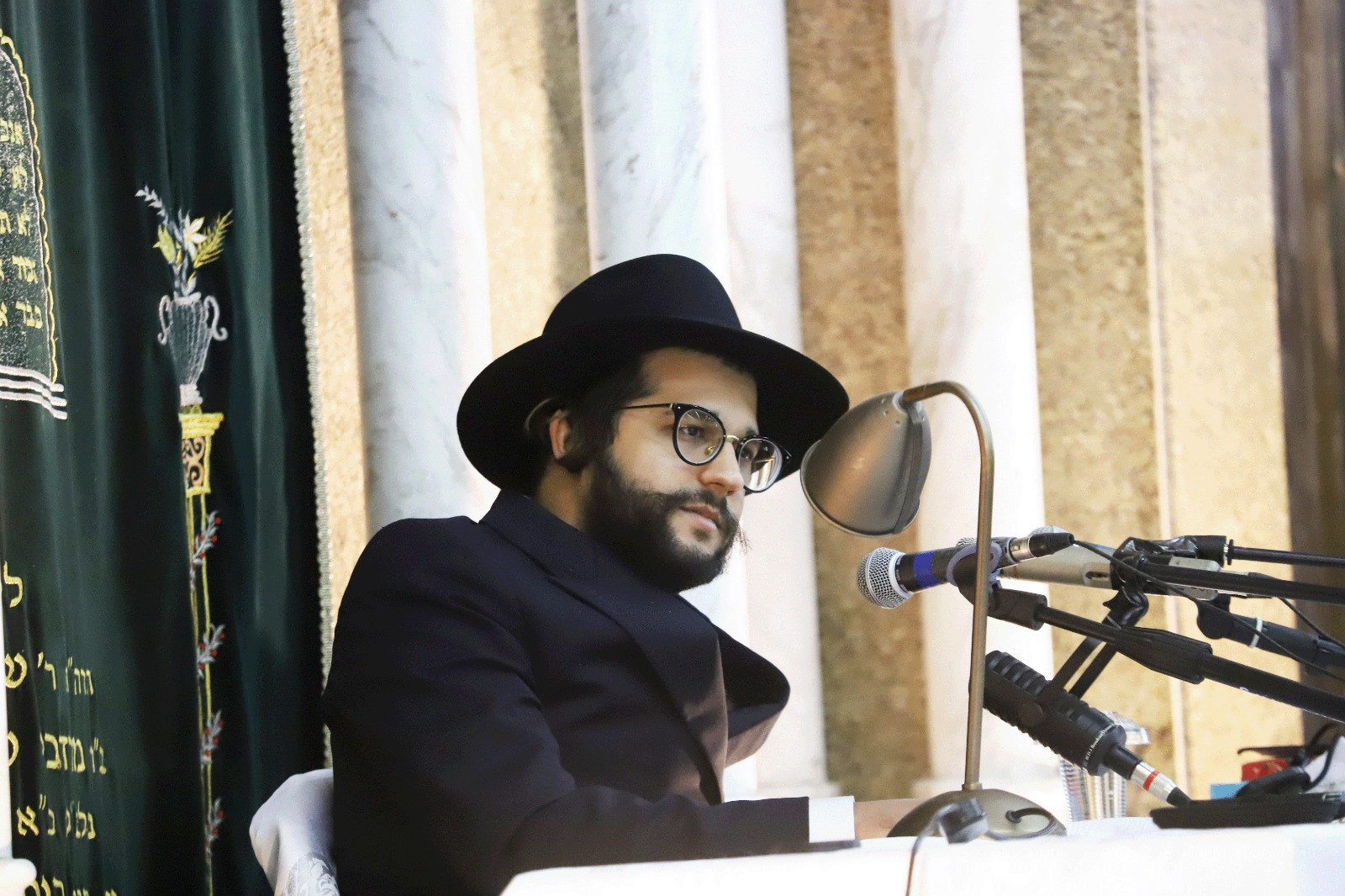
The Yanuka explains that true Daas Torah is not simply a rav giving advice based on his feelings. It should be rooted in Torah — in a Gemara, a Midrash, a teaching from Chazal or another established Torah source. He applies that same standard to his own seforim, explaining that everything he writes is based on solid Torah sources.
It is an approach that helps explain why his Torah has resonated so strongly with so many people.
There is tremendous depth, but there is also a desire to make that depth accessible.
There is breadth, but there is also a constant focus on the individual learning the Torah and what he can take from it.
And there is an emphasis on understanding — not simply knowing more, but allowing what one learns to create greater clarity in one’s Avodas Hashem.
That may be the most interesting way to understand the Yanuka himself.
The stories surrounding him are certainly remarkable. Over the years, people have come to him for brachos, eitza and guidance. Many have spoken about unusual experiences in his presence.
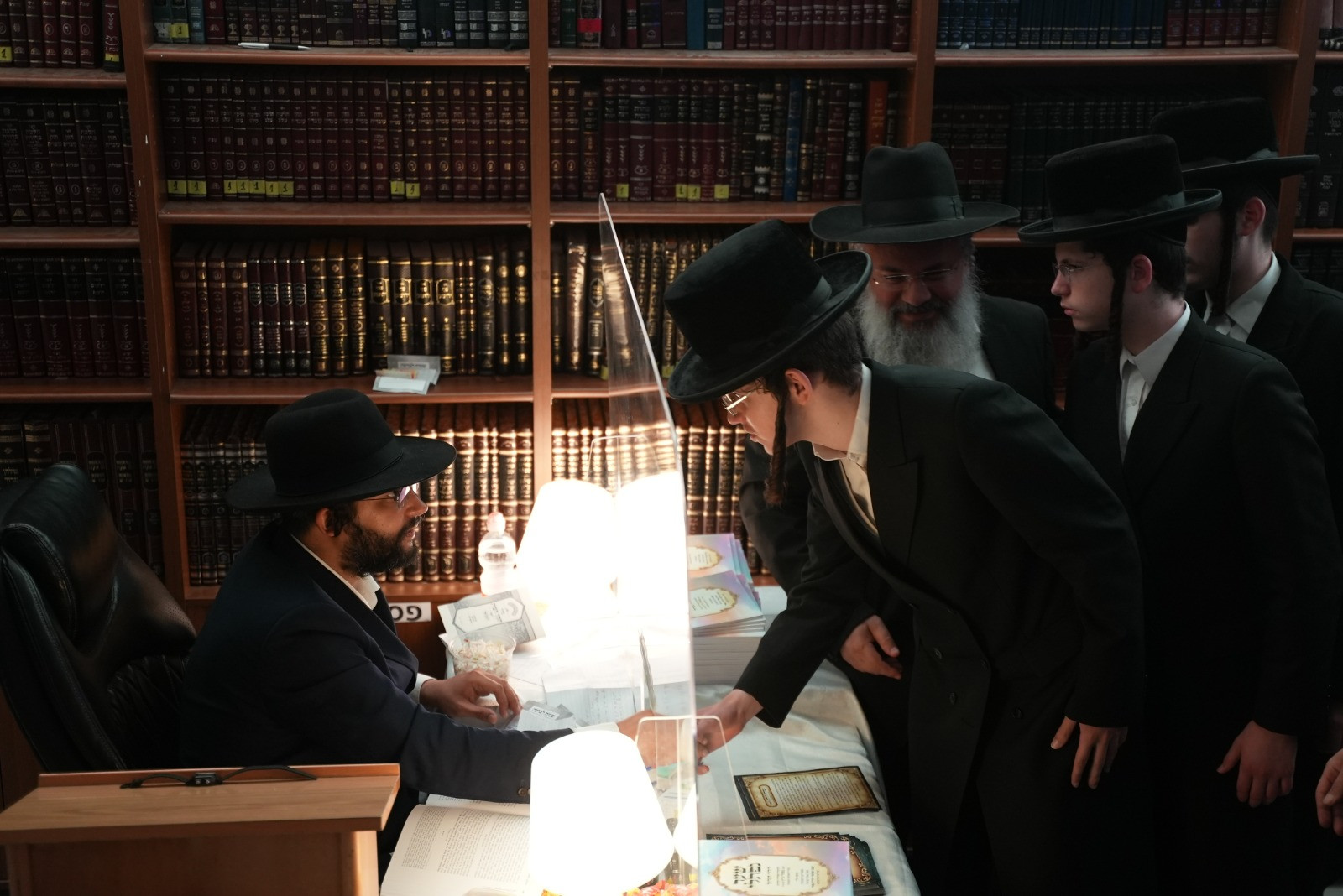
But those closest to him repeatedly emphasize that the real story is not the mofsim.
It is the Torah.
It is his hasmadah.
It is his humility and his love for every Yid.
And it is his ability to take the tremendous depth of Torah and make it something a person can actually carry into his own life.

Now, that Torah is becoming accessible to an entirely new audience.
With the release of Derech Eitz Chaim in English, English-speaking readers in America can now encounter the Yanuka’s Torah in a new way — not through stories about him, but through his own explanations and teachings.
The Yanuka’s Torah has been heard in Eretz Yisroel for years.
Now, with Derech Eitz Chaim, his approach to Torah, his tremendous breadth, and his unique ability to bring deep concepts down to a level that a person can understand and apply are available to readers here as well.
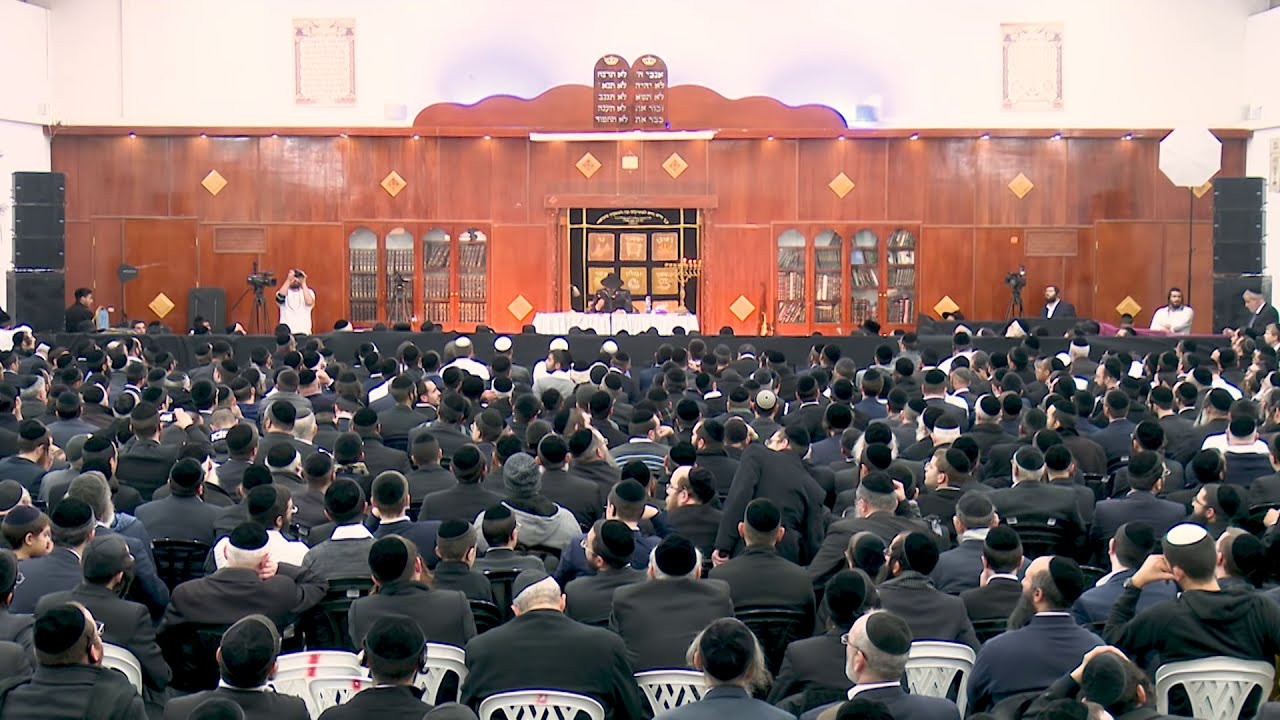
For those who have heard the stories about the Yanuka, the sefer offers an opportunity to discover the Torah behind the stories.
And for those encountering him for the first time, it offers something even more valuable: an introduction to the Torah of a remarkable talmid chacham whose goal is simple — to help every Jew discover greater clarity, greater connection to Hashem, and the sweetness that comes from understanding Torah.