

 Jewish Breaking News
After Decades of Delays, Accused 9/11 Mastermind Khalid Sheikh Mohammed Set for 2028 Death-Penalty Trial
Nearly three decades after the September 11 terrorist attacks, the man accused of designing and directing the plot that killed nearly 3,000 people finally has a date to face a jury.
A U.S. military judge has ordered the trial of Khalid Sheikh Mohammed and three alleged co-conspirators to begin June 5, 2028, at the military commission in Guantánamo Bay, Cuba. The date comes nearly 27 years after Al-Qaeda terrorists hijacked four passenger jets, striking the World Trade Center and Pentagon while a fourth aircraft crashed in Pennsylvania.
Air Force Lt. Col. Michael A. Schrama rejected prosecutors’ request to begin the trial in January 2027, ruling that the accelerated schedule would not leave enough time to resolve the extraordinary number of evidentiary and procedural disputes still surrounding the case.

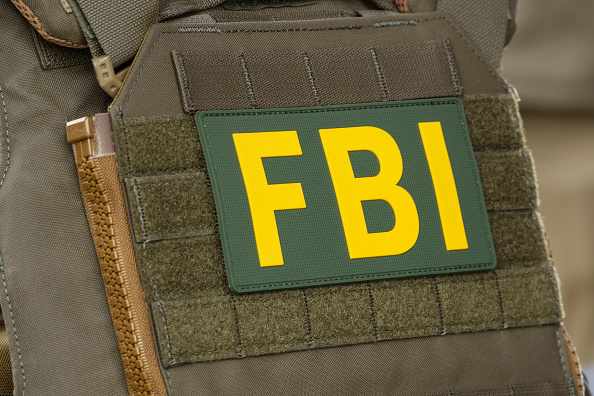
The judge specifically pointed to unresolved battles over FBI statements and whether evidence tied to the defendants’ interrogations can be used. His 11-page scheduling order lays out a series of milestones stretching through 2027 and 2028, with final witness and exhibit lists due shortly before jury selection begins. Schrama cautioned through the structure of the order that the date depends on the parties successfully meeting those deadlines, meaning another delay remains possible.
Mohammed will be tried alongside Walid bin Attash, Ali Abdul Aziz Ali, also known as Ammar al-Baluchi, and Mustafa Ahmed al-Hawsawi. They face charges tied to their alleged roles in planning and supporting the attacks, including conspiracy, murder in violation of the law of war, hijacking and terrorism. Several of the offenses allow prosecutors to seek the death penalty.
Mohammed, known widely as KSM, is accused of developing the concept of using hijacked commercial aircraft as weapons and directing key elements of the operation for Osama bin Laden’s Al-Qaeda network. He was captured in Pakistan in 2003, held for years in secret CIA detention facilities and transferred to Guantánamo Bay in 2006.
Yet getting the case to an actual trial has proved extraordinarily difficult.
Years of pretrial litigation have centered on classified evidence, the defendants’ treatment in CIA custody, allegations of torture and whether later statements made to federal investigators were sufficiently separated from those earlier interrogations to be admissible. The case has cycled through multiple judges, while an earlier trial date set for 2021 was ultimately abandoned.
The case appeared close to ending without a trial in 2024 when Mohammed, bin Attash and al-Hawsawi agreed to plead guilty to all charges in exchange for the government taking the death penalty off the table. Under the agreements, the terrorists would have faced life imprisonment and would have been required to answer questions from victims’ families during extensive sentencing proceedings.
Then-Defense Secretary Lloyd Austin withdrew the agreements shortly after they were approved. A military judge initially ruled that the deals remained valid, setting off another major court fight. The U.S. Court of Appeals for the D.C. Circuit ultimately sided with the government, ruling that Austin had the authority to withdraw and blocking the planned guilty pleas.
The new order now puts the case back on a path toward a full capital trial.
If the schedule holds, jury selection will begin in June 2028, followed by opening statements roughly 30 days after the panel is seated. It would mark an extraordinary moment: more than a quarter-century after the deadliest terrorist attack on American soil, the government would finally begin presenting its case against the man accused of masterminding it.