 Jewish Breaking News
UAE Leader Reportedly Warned Netanyahu of Major Hamas Attack 10 Days Before Oct. 7; PM Denies Call Ever Happened
Prime Minister Benjamin Netanyahu is rejecting a report that the United Arab Emirates’ president personally warned him Hamas was preparing a major operation roughly 10 days before the Oct. 7 massacre. The allegation has renewed scrutiny of what reached Israel’s political leadership before the attack and how those warnings were handled.
Netanyahu’s office initially denied that he had spoken with UAE President Mohammed bin Zayed Al Nahyan during the period described. It later reiterated that no Emirati warning had reached the prime minister, adding that any relevant information would have passed through intelligence channels between the countries. His office is disputing the alleged conversation itself, not merely the interpretation of its contents.
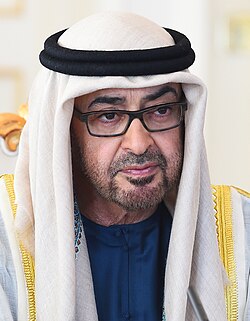
The UAE has neither confirmed nor denied the call. Its Foreign Ministry said it does not comment on private conversations between government leaders, while emphasizing that Israeli and Emirati authorities maintain direct communications and share relevant intelligence when necessary. That statement does not, by itself, substantiate either the reported warning or Netanyahu’s denial.
The Haaretz investigation draws on a new book, “Kidnapped: 843 Days of Abandonment,” by journalists Shlomi Eldar and Ruth Yuval. Its account cites three senior foreign officials briefed on a purported 45-minute conversation, alongside a Palestinian adviser to bin Zayed with direct knowledge. The Times of Israel separately reported confirmation from an Emirati source familiar with the conversation.
According to the investigation, the warning originated with threats Hamas leader Yahya Sinwar relayed through a Palestinian intermediary as prewar negotiations stalled. Bin Zayed allegedly warned that a major operation could cause bloodshed, destabilize the region and damage the Abraham Accords. Netanyahu reportedly responded that Hamas was more likely to act in Judea & Samaria and that Israel was prepared.
Then-Shin Bet chief Ronen Bar and then-IDF chief of staff Herzi Halevi told Haaretz they had not been informed of the Emirati leader’s warning. Unnamed security officials argued that learning of such a high-level alert could have changed their assessment. Those statements describe what officials believe might have happened, not proof that a different response would necessarily have prevented the massacre.
The same investigation also describes a separate warning that reached the Shin Bet in mid-September, before the alleged leaders’ call. According to The Jerusalem Post’s account, Bar briefed Netanyahu on Sinwar’s threat, and senior security officials subsequently discussed it without reaching concrete decisions. The allegation is therefore not that the security establishment had no warning, but that an additional, potentially significant alert from a foreign leader was not shared.
The military’s own failures remain part of the accountability picture. During the IDF’s inquiry process, Halevi publicly accepted responsibility as the commander on Oct. 7 and acknowledged failures within the military. Hamas-led terrorists killed approximately 1,200 people and abducted 251 during the attack.
Former Prime Minister Naftali Bennett said he knew the report was true but did not disclose the basis for that assertion. Former IDF chief Gadi Eisenkot renewed his demand for a state commission of inquiry. Their accusations are political responses to the reporting, not findings from an investigation into this alleged call.