 Jewish Breaking News
Israel’s Population Tops 10.3 Million as 182,000 Births Fuel Growth Despite More Israelis Leaving Than Returning
Israel is heading into Rosh Hashanah with an estimated 10.305 million residents, as a strong birthrate keeps the country growing despite a negative migration balance. The Central Bureau of Statistics’ annual snapshot presents a nation expanding in numbers while facing pressure over emigration and the cost of living.
Approximately 182,000 babies were born since the previous Rosh Hashanah, while about 50,000 people died. That produces a natural increase of roughly 132,000 people, enough to offset a net migration loss of 8,000. Overall, the Israeli population grew by approximately 124,000, or 1.2%, over the reporting period.
Israel’s fertility rate stands at 2.88 children per woman, more than twice the OECD average of 1.41 cited in the report. The figures underscore how strongly births continue to shape Israel’s demographic future.
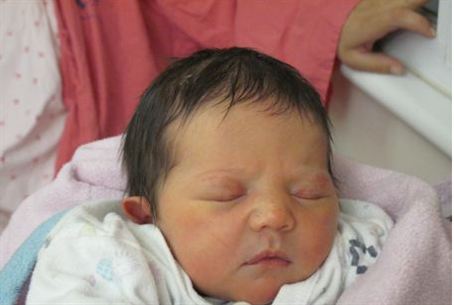
The bureau’s separate calendar-year figures recorded 183,678 births in 2025. That total covers a different period from the approximately 182,000 births reported since the previous Jewish New Year. Israel also had more than three million private households, averaging 3.17 people each.
The latest population breakdown includes approximately 7.828 million people in the bureau’s “Jews and others” category and 2.173 million Arabs. Another 304,000 foreign residents are included in the national total. The first category is not a Jewish-only count: it also includes non-Arab Christians, members of other religions and people without a registered religious classification.
Approximately 24,000 new immigrants arrived during the reporting period, alongside 4,000 people entering through family reunification. Another 21,000 Israelis returned after living abroad. Those arrivals did not fully offset the approximately 57,000 Israelis classified as having emigrated, leaving the overall migration balance negative.
The separate calendar-year comparison offers an important qualification: emigration declined from approximately 82,800 in 2024 to 69,500 in 2025. New immigration also fell, from about 31,100 to 20,900, while fewer Israelis returned. A negative migration balance does not, by itself, mean departures are accelerating.

The CBS cautions that population figures are provisional and reflect revised methods for calculating Israelis living abroad, alongside the inclusion of the foreign population.
The broader report puts life expectancy at 81.4 years for men and 85.9 for women. The figures accompany a substantial family population: more than 2.36 million nuclear families were recorded in the annual household data.
Housing remains a strain. The report shows the housing price index falling 1%, while average rent rose 4.3% to NIS 4,919 a month. The average home price stood at approximately NIS 2.33 million.