
 Vos Iz Neias
Iranian Strike Damages U.S. Warplanes at Jordan Air Base As Washington Faces Prolonged War
NEW YORK (VINnews) — An Iranian missile attack on a U.S. air base in Jordan damaged several American warplanes, highlighting the growing risks to U.S. forces as the conflict with Tehran enters a new phase.
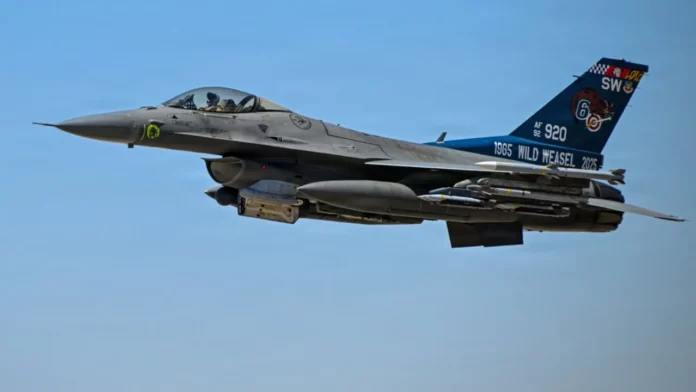
At least one A-10 Thunderbolt II, known as the Warthog, suffered severe damage to its wing, while about eight F-15 fighter jets sustained lighter damage but were subsequently returned to service, according to CBS News and people familiar with the incident. The attack targeted Muwaffaq Salti Air Base near Al Azraq, a major U.S. airpower hub in the region.
The damage was reported after Iran launched a ballistic-missile barrage at Jordan following a U.S. attack on five Iranian oil tankers. The U.S. strikes came after Iran twice targeted an American Navy warship with ballistic missiles, according to U.S. officials. The warship was not hit and no American personnel were injured in those attacks.
Iran’s Islamic Revolutionary Guard Corps said it had carried out a retaliatory operation against the U.S. base in Jordan as well as American warships and commercial vessels in and around the Strait of Hormuz.
Jordan said its air defenses detected 20 Iranian ballistic missiles and intercepted 18 of them. The remaining two landed in unpopulated areas, and Jordan reported no casualties. The country’s armed forces said they remained on high alert and were securing areas where missile debris fell.
The attack nevertheless succeeded in damaging American military equipment. U.S. forces reportedly fired more than 30 Patriot interceptor missiles during the assault, according to the CBS report. The incident also underscores concerns over the availability of U.S. air-defense interceptors as American forces continue operating across the region.
Muwaffaq Salti is particularly important to the U.S. military because dozens of American aircraft operate from the base. It has served as a key platform for U.S. air operations connected to the conflict with Iran. Three U.S. soldiers were killed in an earlier Iranian missile attack on the base in July.
The latest escalation extends beyond Jordan. Iran has threatened and attacked shipping around the Strait of Hormuz, a crucial global energy route. The IRGC said it had targeted two U.S. warships and several tankers, while threatening additional action against vessels linked to the United States and its allies. Iran has also expanded a maritime exclusion zone around the strategic waterway.
The escalation comes as the Trump administration seeks to pressure Tehran into ending the conflict. Iranian officials have indicated that they could consider ending the war if Washington meets a series of demands, including an end to the blockade of Yemen, the withdrawal of Israeli forces from Lebanon, the release of billions of dollars in frozen Iranian assets and assurances that the United States will not interfere with Iran’s nuclear or missile programs.
President Donald Trump has publicly predicted that the conflict will end shortly after the November U.S. midterm elections, arguing that Iran is no longer capable of sustaining the confrontation. Privately, however, senior members of Trump’s administration are reportedly preparing for a much longer conflict.
The Wall Street Journal reported that Vice President JD Vance, Secretary of State Marco Rubio and other senior advisers have discussed with Trump the possibility that the fighting could continue through the remainder of his presidency, potentially into 2029. The assessment contrasts sharply with Trump’s public expectation of a relatively rapid conclusion.
U.S. military preparations also suggest that Washington is planning for a prolonged confrontation. Some Middle East troop deployments have been extended into 2027, while air-defense units are being deployed without firm end dates. The Pentagon is also rotating additional fighter squadrons and preparing another Marine Expeditionary Unit for deployment to the region.