

 Jewish Breaking News
Iran’s Missile Arsenal Survives U.S. and Israeli Strikes as Russia Reportedly Supplies Tehran With New Weapons
Iran retains the ability to manufacture missiles and drones despite U.S. and Israeli strikes, Western officials told Bloomberg, with one saying Russia is supplying Tehran with missiles. The assessment points to an enduring threat as Washington weighs renewed military action against the Islamic Republic.
Officials familiar with intelligence assessments said parts of Iran’s weapons-manufacturing infrastructure survived the strikes, allowing the regime to replenish its arsenal. One official described substantial ballistic missile stocks and remaining anti-ship weapons, with the capacity to produce more relatively quickly. Russia’s Defense Ministry did not respond to Bloomberg’s request for comment on the reported deliveries.
The White House rejected the assessment. Spokesperson Anna Kelly said Operation Epic Fury had destroyed Iran’s ballistic missiles, production facilities and navy, following earlier U.S. strikes on its nuclear facilities. Defense Secretary Pete Hegseth has also maintained that the campaign destroyed Iran’s military-industrial capacity.

Surviving production does not necessarily mean Iran has restored its full prewar manufacturing capacity. The reporting describes facilities that remain usable and an ability to replace weapons, not an undamaged defense industry. Neither a verified current production rate nor the types and quantities of the reported Russian missile deliveries were disclosed.
The Russian claim adds another dimension to an established weapons relationship. In 2024, Britain, France and Germany said they had confirmed Iranian ballistic missile transfers to Russia for its war against Ukraine and announced punitive measures. The latest assessment suggests Moscow is now helping replenish the arsenal of the regime that previously supplied it.

Meanwhile, The New York Times reported that the Pentagon has developed an option for roughly three days of intensive strikes focused on Iranian missile and drone arsenals. Possible additional targets include energy facilities and Islamic Revolutionary Guard Corps command centers. Trump has publicly ruled out attacks before the U.S. midterm elections; the reported preparations are not an announced decision to launch a campaign.
Separately, Maariv reported that Washington had pressed Israel to strike Iran alone, seeking to avoid the political fallout of restarting the war before the American vote. It said Washington later backed away after IDF Chief of Staff Lt. Gen. Eyal Zamir warned that renewed fighting could force Israel’s election to be postponed. The newspaper did not identify sources for that account, which remains publicly unconfirmed.
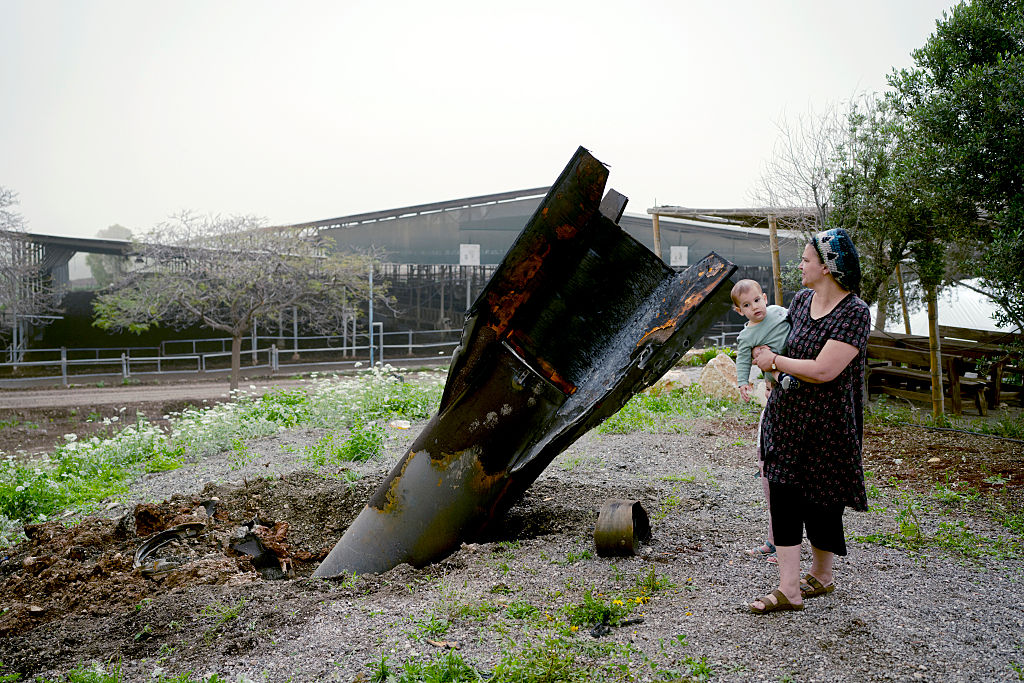
For Israel, the immediate concern is another missile barrage. Channel 12 reporting cited an Israeli assessment that Tehran would respond to renewed American strikes with massive missile fire at Israel. The unresolved threat is therefore not simply what Iran has left, but how quickly it can replace what it uses.