

 Jewish Breaking News
Israeli Security Officials Reportedly Warn Iran, Hezbollah and Hamas Are Considering Election-Day Terror Attack to Prevent Netanyahu Victory
Israeli security officials have identified discussions within Iran, Hezbollah and Hamas about using terrorism to influence Israel’s election and damage Prime Minister Benjamin Netanyahu’s right-wing bloc, according to a Channel 14 report.
The scenarios reportedly include an attack on election day or shortly beforehand. The objective would be to demonstrate that members of the Iranian-led axis remain capable of striking Israel after roughly three years of war, turning an attack into a political message directed at Israeli voters.
According to the report, a recent security discussion examined these conversations and the calculations behind them. The Iranian axis reportedly believes that replacing Netanyahu’s right-wing government with a left-wing government headed by Gadi Eisenkot would bring the war to an end. That is the adversaries’ reported assessment, not an established prediction of what a future Israeli government would do.
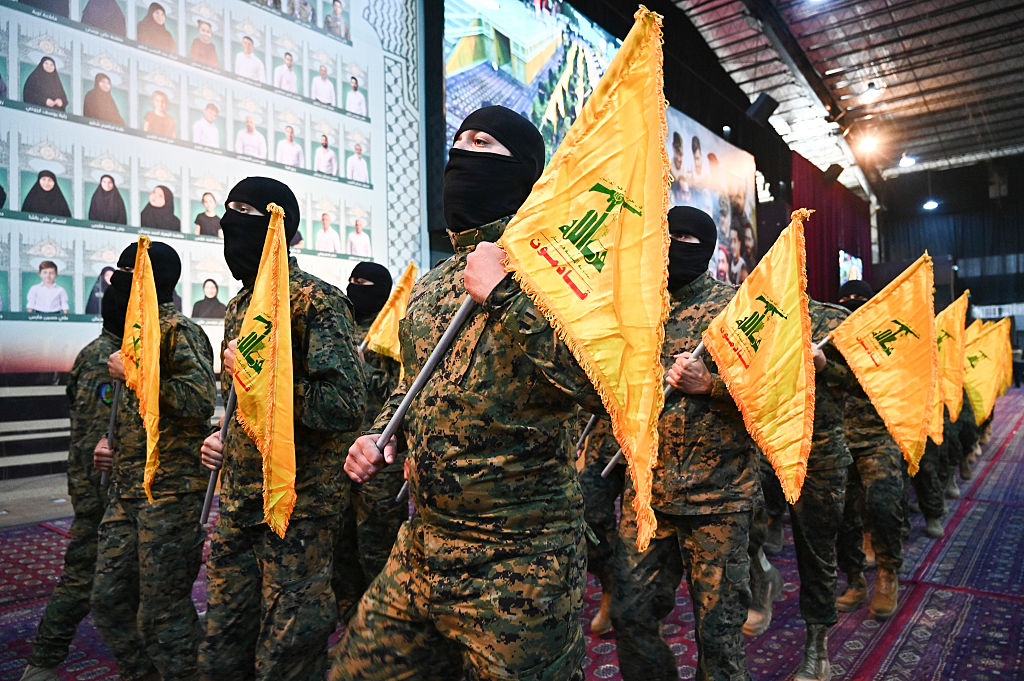
Channel 14 said the specific terrorist scenarios could not be disclosed. Its account describes discussions about possible action; it does not establish that a particular operation has been approved, identify a target or disclose the intelligence underlying the assessment.
The report also cited a public speech by Raed Berro, a Lebanese member of parliament representing Hezbollah. According to Channel 14’s account, Berro said the terrorist organization was calculating its actions with the aim of undermining Netanyahu and the right-wing bloc’s chances of winning.
Separate Lebanese reporting has described Hezbollah’s military decisions through a similar electoral lens, though with a different immediate emphasis. Al-Joumhouria, cited by Naharnet, reported that Hezbollah did not want to give Netanyahu an escalation at a time that would serve his electoral interests. That account concerns the timing of restraint, not independent confirmation of an election-day attack plan.
The distinction matters: evidence that Hezbollah considers Israel’s election when deciding how to act is not, by itself, evidence that a specific terrorist operation is imminent.
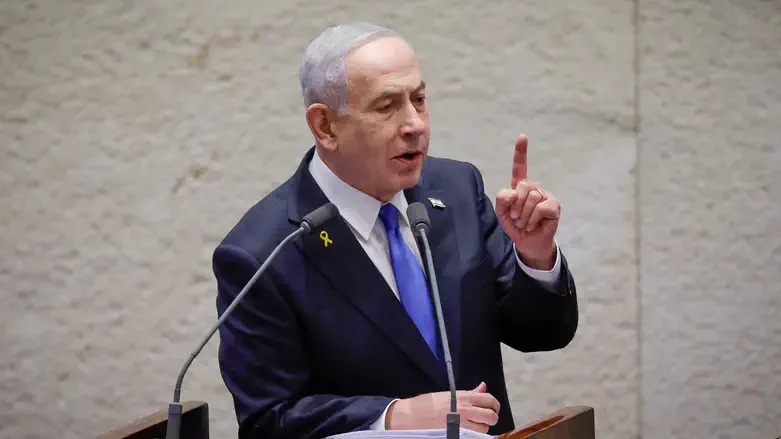
Netanyahu has already publicly warned that Israel’s enemies could attempt attacks around the election. Speaking at Tel Nof air base, he said there were indications of such intentions and warned that Israel would strike those responsible wherever they operated.
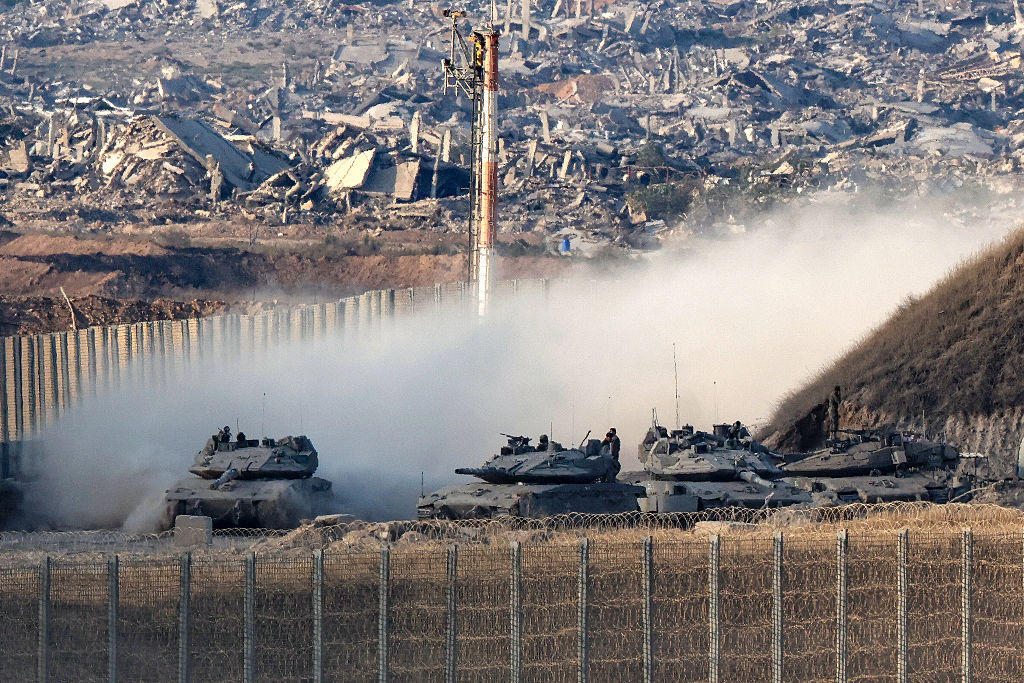
Broader security consultations are also continuing. An Israeli official confirmed that Netanyahu convened Defense Minister Israel Katz and senior security officials at the Kirya military headquarters for discussions about Iran, Gaza and Lebanon. That confirmation establishes that the meeting took place, but does not independently substantiate Channel 14’s account of the election-related intelligence.
Opposition leader Yair Lapid, meanwhile, said in a radio interview that the intelligence available to him did not indicate that a war with Iran was expected before the election. His assessment addressed the prospect of war with Iran, rather than ruling out every possible terrorist threat.
Election preparations are proceeding. The IDF says it plans to operate approximately 850 military polling stations, with early voting arrangements designed to allow soldiers to cast ballots while operational activity continues. The immediate challenge is to protect both the public and the electoral process without allowing reported enemy intentions to be mistaken for a confirmed attack order.