
 Matzav
HEZBOLLAH REBUILDING UNDER LEBANON’S WATCH: Israel Warns Lebanese Army Is Failing to Dismantle Terror Infrastructure as Critical U.S. Talks Approach
Israeli security officials are warning that the Lebanese army has made virtually no progress in dismantling Hezbollah’s military infrastructure, despite receiving intelligence and assistance from Israel, raising serious questions about whether Lebanon is capable of fulfilling its commitments to disarm the Iranian-backed terrorist organization.
The assessment, disclosed Wednesday by i24NEWS, comes as Israel and Lebanon prepare for another round of American-mediated military discussions later this month, with Israeli officials increasingly concerned that Hezbollah is using the current arrangements to rebuild its capabilities and replenish its weapons.
According to a senior Israeli security official, the Lebanese Armed Forces have failed to take meaningful action against Hezbollah positions and facilities, even when provided with information identifying terrorist infrastructure that should be dismantled.
The official described the situation as one in which Israel is attempting to facilitate the Lebanese military’s work, but the expected results are simply not materializing.
Israeli defense officials believe there are two possible explanations for the Lebanese army’s failure to act. Either its commanders are reluctant to confront Hezbollah because they fear the consequences, or elements within the military are cooperating with the terrorist organization.
Both possibilities are deeply troubling to Israel, which has insisted that any lasting security arrangement along its northern border must prevent Hezbollah from reestablishing the military infrastructure that previously enabled it to threaten Israeli communities.
The latest concerns center on the implementation of the security framework negotiated between Israel and Lebanon under American auspices. The agreement envisions the removal of Hezbollah and other armed organizations from designated areas, followed by the deployment of Lebanese government forces to assume responsibility for security.
Under the arrangement, the Lebanese army is supposed to dismantle weapons caches, tunnels, command centers and other military installations belonging to Hezbollah, while preventing terrorist operatives from returning to areas cleared of their presence.
The framework also establishes a phased process for Israeli military withdrawals, with each stage dependent on verification that Hezbollah’s infrastructure has been removed and that Lebanese forces are capable of maintaining control.
Israeli officials now say the Lebanese army has failed to demonstrate that it can carry out those responsibilities.
The lack of progress is particularly concerning because Israel has reportedly been providing intelligence intended to help Lebanese forces identify Hezbollah facilities and operational positions.
Despite that assistance, Israeli security officials say the Lebanese military has not asserted its authority over the terrorist organization.
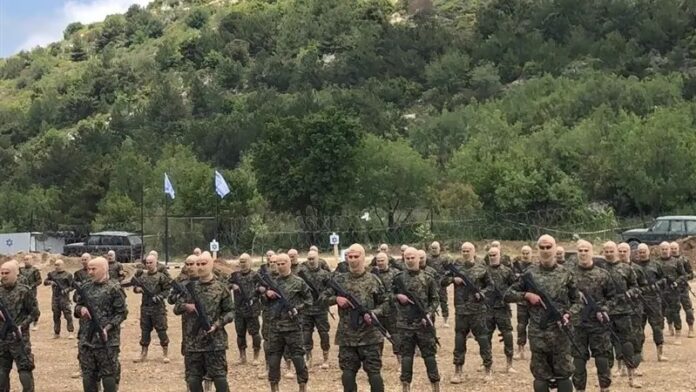
At the same time, the IDF is monitoring Hezbollah’s efforts to restore its military capabilities, including attempts to replenish weapons and rebuild infrastructure damaged during Israeli operations.
Israeli officials acknowledge that the terrorist organization remains determined to reestablish its presence and operational strength, even as international diplomatic efforts seek to stabilize the border.
Nevertheless, some Israeli security officials believe the current situation offers an important advantage: the existing security arrangement preserves Israel’s ability to act independently against threats.
Under that understanding, the IDF can continue targeting Hezbollah infrastructure and operatives when necessary rather than relying exclusively on the Lebanese army to address emerging dangers.
Israeli officials view that operational freedom as essential so long as Hezbollah remains armed and Lebanese forces fail to fulfill their commitments.
The dispute is expected to feature prominently in the next round of military-level discussions scheduled for October 20 and 22 at the headquarters of U.S. Central Command in Tampa, Florida.
Those talks are intended to advance arrangements for verifying Hezbollah’s disarmament, expanding areas under Lebanese government control and coordinating further Israeli withdrawals.
However, significant disagreements remain between the two sides over how those commitments should be implemented.
Lebanese officials have accused Israel of failing to cooperate adequately with the proposed verification mechanism and have objected to Israeli demands for closer operational coordination with the Lebanese army.
According to Lebanese reporting, Israel is seeking a direct operational coordination mechanism to verify that designated areas have been cleared of Hezbollah’s military presence.
Lebanese officials have expressed reservations about that proposal, maintaining that verification should take place through an American-supported framework rather than direct Israeli oversight of Lebanese military operations.
Beirut has also continued pressing for additional Israeli withdrawals, arguing that the continued presence of Israeli troops on Lebanese territory undermines Lebanon’s sovereignty and complicates efforts to implement the agreement.
Israel, however, maintains that further withdrawals cannot be justified while Hezbollah retains military capabilities in areas that the Lebanese army is supposed to secure.
The disagreement has left the implementation process largely stalled, with each side accusing the other of failing to meet its obligations.
Another major development looming over the negotiations is the anticipated withdrawal of approximately 7,000 personnel from the United Nations Interim Force in Lebanon, known as UNIFIL, by the end of the year.
The departure of the international peacekeeping force would place even greater responsibility on the Lebanese army to maintain security in southern Lebanon and prevent Hezbollah from rebuilding its positions.
For years, Israel has accused UNIFIL of failing to prevent Hezbollah from establishing military infrastructure near the Israeli border, despite the international force’s mandate to support security in the area.
Israeli officials now fear that the Lebanese army could prove similarly ineffective, particularly if its commanders remain unwilling to confront Hezbollah directly.
Lebanese officials, for their part, have maintained that their military is carrying out its responsibilities and that Israeli operations and continued deployments are obstructing progress toward implementing the security agreement.
The conflicting assessments are expected to complicate the upcoming discussions in Florida, where American officials will seek to advance a verification system acceptable to both sides.
For Israel, the central question remains whether the Lebanese government can establish genuine control over territory long dominated by Hezbollah.
The IDF is continuing to monitor the terrorist organization’s attempts to rebuild its arsenal while maintaining that it will act against emerging threats, regardless of whether Lebanese forces take the steps required under the agreement.