
 Vos Iz Neias
El-Sayed Faces Growing Scrutiny Over Muslim Brotherhood Allegations, Hasan Piker and Radical Politics
NEW YORK (VINnews) – Michigan’s high-stakes U.S. Senate race is drawing national attention as Democratic candidate Abdul El-Sayed faces growing scrutiny over allegations involving his family’s Muslim Brotherhood connections, his relationship with controversial commentator Hasan Piker, and his positions on Israel.
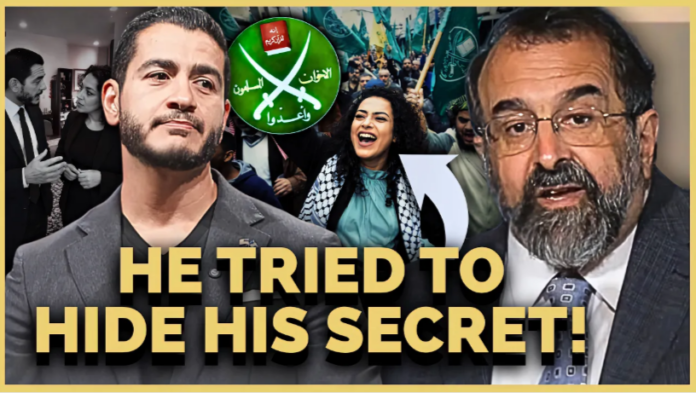
In an interview for Rabbi for America, Rabbi Daniel Schonbuch examines these controversies with Robert Spencer, author and expert on Islamic extremism, focusing on the ideological movements influencing American politics.
One of the most explosive controversies involves El-Sayed’s family. His half-sister, University of Chicago professor Eman Abdelhadi, wrote in a 2012 social media post about their mother’s activism in the Muslim Brotherhood during the 1970s. Other posts reportedly described a longer family association with the organization.
El-Sayed has denied having personal or family ties to the Muslim Brotherhood, dismissing his half-sister’s statements as hearsay. The allegations have not established that El-Sayed himself belongs to or supports the organization.
The controversy has intensified questions about the Muslim Brotherhood’s history, its ideological relationship with Hamas, and the broader influence of political Islam in Western democracies.
Another major concern is El-Sayed’s decision to campaign alongside Hasan Piker, the far-left commentator who notoriously declared that “America deserved 9/11.” Piker has also made inflammatory statements about Hamas, Hezbollah, Israel and Jewish Americans, including calling Israel “Jewish ISIS” and Orthodox Jews “inbred.” Although El-Sayed has since distanced himself from Piker, critics continue to question his original decision to embrace the controversial streamer.
El-Sayed has also called for ending both offensive and defensive American military assistance to Israel, a position critics argue could undermine Israel’s security, embolden Iran and Hezbollah, and weaken an important American ally in the Middle East.
His response to the March 2026 attack on Temple Israel in Michigan has generated further controversy. An armed attacker drove into the synagogue while approximately 140 children were inside. Although El-Sayed condemned the attack and antisemitism, his subsequent use of the phrase “hurt people hurt people” and discussion of the attacker’s personal circumstances drew criticism from those who believed his remarks unnecessarily contextualized an act of antisemitic violence.
For Schonbuch, these controversies raise broader questions about extremism, antisemitism, national security and the direction of American politics.
The discussion with Spencer examines the Muslim Brotherhood’s long-term ideological objectives, the distinction between religious identity and political extremism, and the implications of El-Sayed’s publicly stated policies.
With control of the United States Senate potentially at stake in Michigan, the controversy surrounding Abdul El-Sayed has become part of a much larger national debate over America’s political future.
About Rabbi Daniel Schonbuch
Rabbi Daniel Schonbuch, LMFT, is a psychotherapist, author, and host of Rabbi for America, a YouTube channel. Through his interviews with leading political commentators, authors, and public figures, Rabbi Schonbuch addresses antisemitism, Islamic extremism, American politics, and the growing threats facing Israel and the United States.
Watch the full interview and subscribe to Rabbi for America:
https://www.youtube.com/@rabbiforamerica