
 Matzav
DRAFT ARREST OUTRAGE: Two Chabad Bochurim Remain in Military Prison After 42 Detained at Ben Gurion Airport
Two Chabad bochurim remain in Israeli military custody following a major enforcement operation at Ben Gurion Airport in which 42 young men were detained over their military draft status, setting off protests and renewed criticism from chareidi representatives over the army’s treatment of yeshiva students.
The arrests, which took place as the bochurim were attempting to travel abroad, have intensified the controversy surrounding the IDF’s enforcement of conscription requirements against members of the chareidi community. While 40 of those detained were subsequently released, two bochurim remained imprisoned because of longstanding outstanding draft violations.
According to information released by the IDF, the two remaining detainees had been classified as draft avoiders for more than 540 days, a distinction military authorities cited in explaining why their cases were being handled differently from those of the other bochurim.
The army reported that the other 40 young men were released after agreeing to begin the enlistment process. That account has become a significant point of controversy, particularly among those concerned about the circumstances under which the agreements were obtained.
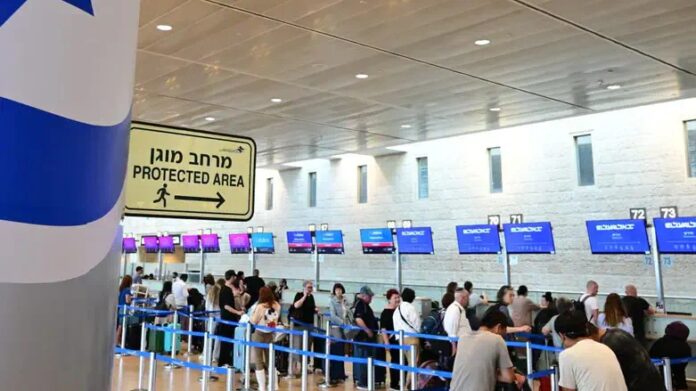
The operation has drawn attention because of the unusually large number of Chabad bochurim detained at one location and because the arrests occurred at Israel’s principal international airport, where young men seeking to leave the country have increasingly encountered difficulties over unresolved military draft matters.
The incident comes amid a broader crackdown on chareidi draft avoiders, as military authorities face pressure to enforce enlistment requirements following court rulings and government disputes over the legal status of yeshiva students.
For decades, arrangements governing military service for full-time yeshiva students allowed large numbers of bochurim to continue their Torah studies without being inducted into the IDF. The legal framework surrounding those arrangements has since become the subject of extensive litigation and political confrontation.
The resulting uncertainty has left many young men facing the possibility of detention when they encounter military authorities, particularly at border crossings and airports.
The arrests took place Tuesday morning, October 20, when approximately 80 Chabad bochurim arrived in Eretz Yisroel after spending more than a year learning at the central Tomchei Temimim yeshiva at 770 Eastern Parkway in Crown Heights.
The returning bochurim had participated in the Chabad program known as kevutzah, during which young men from Eretz Yisroel spend an extended period learning in Crown Heights. Many of their families had come to Ben Gurion Airport to welcome them home after approximately 14 months abroad.
Instead, military police officers were waiting at the airport. Authorities had received advance information about the group’s arrival and had deployed additional personnel to carry out the arrests.
Forty-two of the returning bochurim were detained over their unresolved military draft status. Several had their passports confiscated, and the detainees were transported under military supervision to the IDF induction center at Tel Hashomer.
According to reports from the Chabad community, some of the young men were handcuffed as they were taken into custody, prompting anger and distress among relatives who had been waiting to greet them.
Military authorities subsequently divided the detainees into groups based on their willingness to comply with enlistment requirements and the length of time their draft obligations had remained unresolved.
The first group consisted of 27 bochurim who, according to the IDF, expressed willingness to enlist and were found medically fit for military service.
They appeared before a military judge, signed commitments relating to their future enlistment, received suspended sentences, and were permitted to return home.
Another 13 bochurim initially refused to cooperate with the enlistment process. Military authorities sentenced them to imprisonment, and they faced transfer to Military Prison 10.
However, following several hours of intervention by Chabad askonim and further discussions with military officials, those 13 were also released later Tuesday.
According to the IDF’s account, the additional detainees agreed to future enlistment procedures, allowing them to receive suspended sentences rather than remain imprisoned.
Chabad representatives, however, described the circumstances surrounding the commitments as coercive, arguing that the young men had been confronted with the prospect of imprisonment unless they agreed to the army’s demands.
The remaining two bochurim were treated differently because military authorities classified them as having failed to comply with enlistment requirements for more than 540 days.
They were transferred directly to Military Prison 10, where they faced further proceedings over their draft status.
The arrests prompted extensive efforts by Chabad askonim, including attorney Menachem Stauber and R’ Shimon Shisha, who worked to secure the release of the detainees.
The Beis Din Rabbonei Chabad was also involved in the matter and had reportedly been in contact with military authorities even before the bochurim’s flight landed.
Those involved in the intervention sought to prevent the young men from being imprisoned and to address the legal complications arising from their draft classifications.
The developments also raised questions within the Chabad community about the practical implications of the agreements signed by the 40 released bochurim.
Although the military reported that the young men had undertaken to enter the enlistment process, Chabad representatives expressed concern about the pressure exerted on them and the potential consequences for their continued learning.
Israeli media reported that some of those released were also subjected to restrictions, including limitations on their ability to leave the country.
The IDF defended the operation as part of its enforcement of the Defense Service Law, maintaining that individuals who had failed to comply with their military obligations were subject to detention and disciplinary proceedings.
The army stated that it would continue enforcing enlistment requirements in accordance with the law.
The incident has attracted particular attention because the bochurim were detained immediately upon returning from a year of learning abroad, rather than during routine encounters with military authorities inside Israel.
The advance preparations by military police, including the deployment of additional officers and transportation for the detainees, indicated that the operation had been organized before the flight arrived.
The arrests also highlighted the increasing difficulties faced by chareidi bochurim whose draft status remains unresolved, particularly when traveling internationally.
Under earlier arrangements, many Chabad bochurim were able to defer military service while learning in yeshiva, including during extended periods of study abroad.