
 JBizNews
Apple Holiday Revenue Outlook Tops Estimates, but Margin Forecast Disappoints After Record Quarter
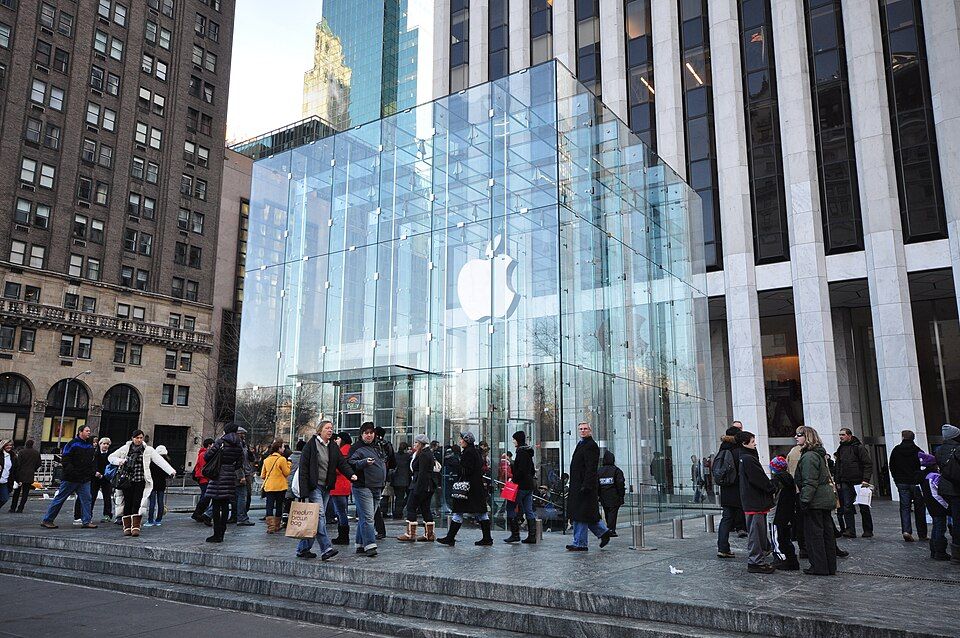
Photo: Jorge Lascar / Wikimedia Commons (archive)
Correction and update, November 2 at 9:10 p.m. EST: The revenue-growth outlook is above the 6.1% LSEG estimate, not below an 11.4% estimate as previously stated. The gross-margin forecast trails estimates. The stock reaction has been updated to the after-hours closing price.
Apple forecast December-quarter revenue growth of 7% to 10% on its earnings call Monday, above the 6.1% growth analysts polled by LSEG expected, but its gross-margin outlook of 45% to 46% trailed the 46.3% estimate, according to CNBC. The mixed outlook followed record September-quarter sales of $114.5 billion.
Stock reaction: Apple shares ended Monday’s after-hours session at $328.81, down 2.81% from the regular-session close, after falling as low as $323.33, a 4.43% decline, according to 9to5Mac. CNBC reported that shares slid about 3% in extended trading as investors weighed the weak margin forecast. That post-earnings reaction was separate from Monday’s 1.83% regular-session decline.
Chief Financial Officer Kevan Parekh said the outlook reflects Apple’s best view of constrained supply. The growth guidance and analyst comparison emerged after the company released its quarterly results and during the call that began at 5 p.m. Eastern.
Apple reported record September-quarter revenue of $114.5 billion on Monday as iPhone sales climbed and Services reached an all-time high, delivering its first quarterly earnings report under Chief Executive John Ternus.
Diluted earnings per share rose 14% to $2.10 in the fiscal fourth quarter ended September 26. Revenue increased 12% from a year earlier. The results included a benefit from tariff refunds, which added $0.05 to earnings per share and approximately one percentage point to the company’s 47.9% gross margin.
The company’s release and accompanying financial statements show a strong finish to the fiscal year, although sales declined in iPad and Wearables, Home and Accessories.
iPhone and Services lead the quarter
iPhone revenue reached $57.583 billion, up about 17% from $49.025 billion a year earlier. The product remained Apple’s largest business and set a September-quarter sales record.
Services revenue rose to $31.573 billion from $28.750 billion, an increase of about 10%. Apple said the figure was an all-time record. The category’s growth gives the company a second large source of sales alongside its hardware business.
Mac revenue increased to $10.792 billion from $8.726 billion, up about 24%. By contrast, iPad revenue fell to $6.229 billion from $6.952 billion, while Wearables, Home and Accessories declined to $8.300 billion from $9.013 billion.
The differing category results make the quarter more specific than an across-the-board hardware rebound: iPhone and Mac grew, Services set a record, and two other product groups contracted.
China grows as Japan slips
Greater China revenue increased to $17.539 billion from $14.493 billion, up about 21%. The Americas rose to $48.680 billion from $44.192 billion, while Europe reached $32.008 billion from $28.703 billion.
Rest of Asia Pacific revenue increased to $9.710 billion from $8.442 billion. Japan was the exception among the reportable geographic segments, with revenue falling to $6.540 billion from $6.636 billion.
Profit rises, with a tariff-refund benefit
Net income increased to $30.711 billion from $27.466 billion. Operating income rose to $35.631 billion from $32.427 billion, according to the unaudited statements.
The tariff refunds are important when reading the earnings headline. Apple reported $2.10 in diluted earnings per share including the $0.05 favorable effect, rather than presenting the full increase as unrelated to that benefit. The release likewise identified the refund contribution to gross margin.
Research and development spending rose to $11.730 billion from $8.866 billion. Total operating expenses reached $19.189 billion, compared with $15.914 billion in the year-earlier quarter.
A record fiscal year
For fiscal 2026, Apple reported revenue of $478.834 billion, up from $416.161 billion in fiscal 2025. Full-year net income was $132.175 billion, compared with $112.010 billion, and diluted earnings per share rose to $8.98 from $7.46.
Chief Financial Officer Kevan Parekh said Apple generated $28 billion in operating cash flow during the quarter and returned $28 billion to shareholders. He also said the installed base of active devices reached a new all-time high across all major product categories and geographic segments.
The annual cash-flow statement showed $145.097 billion in operating cash flow and $86.390 billion in common-stock repurchases for the full fiscal year. Those annual totals are separate from Parekh’s quarterly figures.
Ternus points to the holiday lineup
Ternus said the company was entering the holiday season with a new lineup that included iPhone Duo, iPhone 18 Pro and Pro Max, new home hardware, Touch on Mac and Siri AI. Those remarks describe Apple’s current product push, not a claim that all the new devices contributed to the September-quarter results.
Apple’s board declared a cash dividend of $0.27 per common share, payable November 16 to shareholders of record at the close of business November 12. Management discussed the outlook on its results conference call Monday evening.
Revenue outlook tops estimates; margin forecast trails
On the call, Parekh said Apple expects total revenue to rise 7% to 10% year over year in the December quarter and still anticipates the highest quarterly revenue in the company’s history. The range is above the 6.1% analyst expectation compiled by LSEG, according to CNBC. Gross-margin guidance of 45% to 46%, however, is below the 46.3% average estimate.
According to a transcript of management’s prepared remarks, Parekh also forecast gross margin of 45% to 46%, citing higher memory costs and some costs associated with the ramp of Siri AI. He projected Services growth of 8% to 9% and operating expenses of $20.4 billion to $20.8 billion.
The outlook assumes global tariff rates, policies and their application remain as they were at the time of the call, and that the global macroeconomic outlook does not worsen. Those figures are management forecasts for the coming quarter, not results already achieved.
JBizNews Desk | Cupertino, California
© JBizNews.com. All rights reserved. Unauthorized reproduction or redistribution is strictly prohibited.