

 Jewish Breaking News
Vance Blames Iran War for GOP Rout as Israel Ties Enter the 2028 Fight
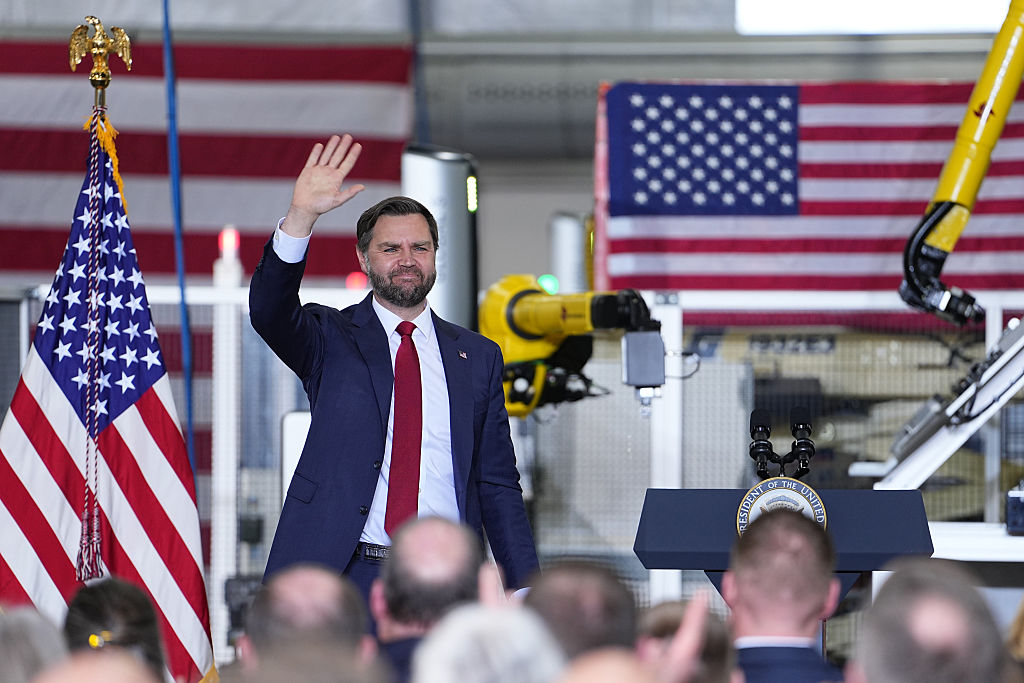
Vice President JD Vance is courting disillusioned Trump voters for a new conservative coalition ahead of 2028, Fox News reports, citing unnamed sources.
Democrats have won control of both the House and Senate, leaving Republicans to confront a sweeping electoral defeat. In a lengthy post on X, Vance argued that the party’s problem went beyond turnout: many Americans who supported the Trump-Vance ticket in 2024 returned to the polls but voted Democratic.
“The reason we lost is the war,” he wrote. Citing an unnamed pollster, Vance identified four demands from those voters: end the Iran conflict, address living costs and inflation, prioritize American interests and change Washington’s relationship with Israel. He also endorsed earlier advice to pursue a diplomatic resolution to the war.
Trump accepted much of Vance’s electoral assessment while defending the military campaign. Asked about the vice president’s comments, he acknowledged that higher gasoline prices had hurt Republicans, but maintained that he would make the same decision again to prevent Iran from obtaining a nuclear weapon. He emphasized the economic consequences as the source of voters’ frustration.
Voter surveys show dissatisfaction extending beyond the conflict itself. The AP Voter Poll found that roughly six in 10 voters opposed the decision to take military action against Iran. About one-third considered the war crucial to their congressional vote, compared with roughly half who said the same about living costs or government corruption.
Vance had already drawn a distinction between his position and Trump’s on Israeli politics. Before Israel’s election, he declined to join Trump’s endorsement of Prime Minister Benjamin Netanyahu, saying he was concentrating on American candidates and would not take sides in the Israeli contest.
The debate also comes as Trump has separately said annual U.S. military aid to Israel would end by year’s end, claiming an agreement with Netanyahu. The existing assistance framework provides $3.8 billion annually through fiscal 2028, and Trump did not explain how an earlier cutoff would be implemented.
Responding to Vance’s remarks, Israeli President Isaac Herzog emphasized Israel’s commitment to maintaining bipartisan American support and expressed respect for Trump, Vance and the Democratic Party.
Vance closed his post by urging frustrated voters to elect Republicans who share their priorities. His message offered no specific blueprint for changing U.S.-Israel relations, leaving a consequential question unresolved as Republicans begin debating their next direction.