
 Jewish Breaking News
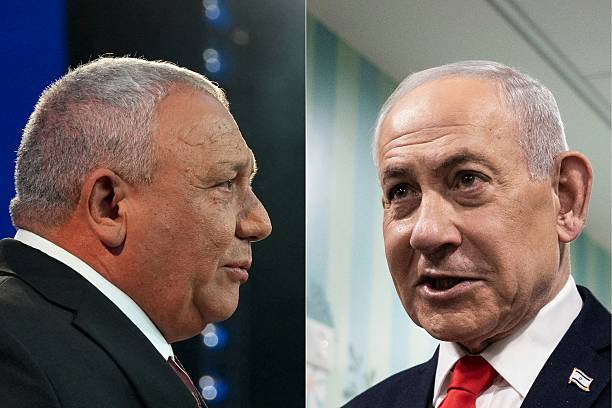
Netanyahu’s Future Hangs in the Balance: Eisenkot Leads 67–46 as President Herzog Prepares to Announce His Choice for Israel’s Next Prime Minister on Sunday
Could Benjamin Netanyahu’s time as prime minister be coming to an end?
Israel is heading into a high-stakes political showdown after former IDF chief Gadi Eisenkot secured the backing of 67 Knesset members, leaving Prime Minister Benjamin Netanyahu trailing with just 46 recommendations.
The dramatic 21-seat gap puts Eisenkot in a strong position to receive the presidential mandate to form Israel’s next government. But in Israeli politics, winning the recommendations is only the opening battle.
President Isaac Herzog confirmed Thursday that he will announce his choice on Sunday, November 8, following additional discussions with party leaders.

And the biggest political twist may have come from Netanyahu’s own allies.
United Torah Judaism (UTJ), the seven-seat ultra-Orthodox party that has stood alongside Netanyahu for years, stunned the political establishment by refusing to endorse him or Eisenkot.
The decision follows mounting frustration over Netanyahu’s failure to pass legislation protecting full-time yeshiva students from military conscription. Without UTJ’s backing, Netanyahu faces an even more complicated route to retaining power.
Meanwhile, Eisenkot received a major boost when the Arab-led Ra’am party and Joint List, which together control 19 seats, recommended him to Herzog.
Their support pushed Eisenkot past the symbolic 61-seat majority threshold. But there is a catch: Several parties supporting Eisenkot’s nomination oppose forming a government with Arab factions.
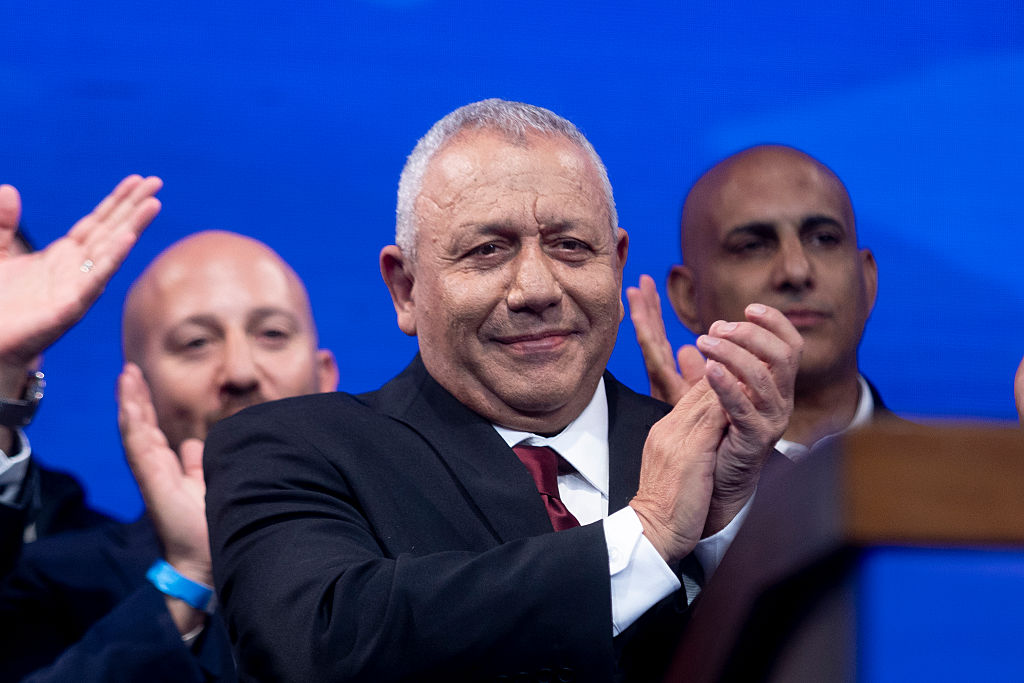
That leaves Eisenkot confronting a political puzzle of his own. He has more than enough recommendations to demonstrate broad support, but not necessarily the coalition partners needed to govern.
Herzog acknowledged the uncertainty, explaining that although the recommendation totals appear decisive, deep divisions between the parties make it difficult to determine who can actually assemble a government.
Whoever receives the mandate will initially have 28 days to put together a coalition, with a possible 14-day extension.
For Netanyahu, Israel’s longest-serving prime minister, the stakes could hardly be higher. His Likud party emerged from the election as the largest individual faction, yet his traditional political bloc failed to secure a parliamentary majority.
For Eisenkot, a former military chief who entered politics after a distinguished IDF career, the coming days could present an opportunity to replace Netanyahu at the helm of the Jewish state.
The clock is ticking toward Sunday.
Will Herzog hand Eisenkot the opportunity to become Israel’s next prime minister? Can Netanyahu find a way to rebuild his coalition? Or will neither man manage to secure the 61 lawmakers needed to govern?
One thing is certain: Eisenkot has the numbers in the presidential recommendations, but Netanyahu has not been politically eliminated.
Israel’s next prime minister remains undecided, and the battle to form a government is far from over.