

 Jewish Breaking News
Trump’s Plan to End U.S. Military Aid to Israel Faces Major Hurdle as $10 Billion in American Weapons Orders Remain Unpaid
Israel would need roughly $10 billion beyond existing U.S. aid commitments to pay for American weapons already ordered, even if Washington fully honors the current agreement through 2028, according to a State Department document reviewed by The Wall Street Journal. The outstanding bill adds a major financial complication to President Donald Trump’s push to end military assistance.
The estimate covers orders outstanding as of April 1, and the report did not establish whether the amount has since changed. In a letter to Rep. Joaquin Castro, D-Texas, the State Department said those purchases could be financed through additional American aid, Israeli funds or a combination of both.

Trump said U.S. aid would stop at the end of this year while American weapons sales to Israel would continue. In his announcement, however, he did not explain how funding would be cut off before the existing agreement expires or how remaining commitments would be handled.
Prime Minister Benjamin Netanyahu’s office has since endorsed moving “from aid to partnership,” pointing to Israel’s strong economy and the strength of its relationship with Washington. Its statement did not specify a cutoff date or explain how outstanding weapons orders would be financed.
The current 10-year agreement provides for $3.8 billion annually through fiscal 2028: $3.3 billion in military financing and $500 million for missile defense. Congress controls the funding, while Israel’s procurement arrangements allow payments on major weapons purchases to be spread across years using anticipated American assistance.
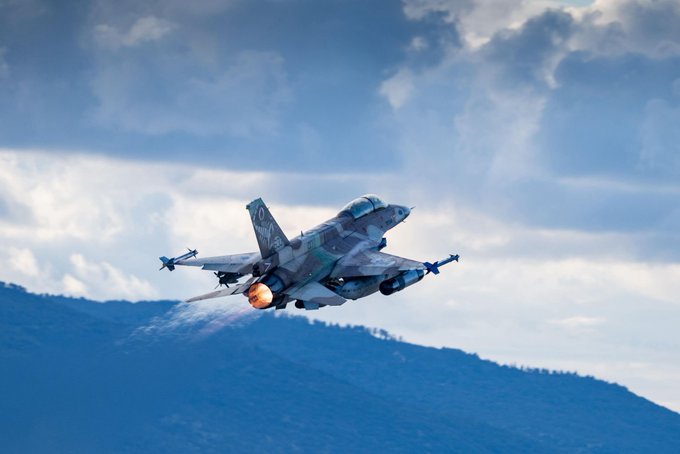
That system supports purchases with lengthy production schedules. Israel’s roughly $3 billion agreement for 25 additional F-35 stealth fighters, for example, was structured around U.S. military financing. The Defense Ministry said deliveries would begin in 2028, at three to five aircraft annually.
The Defense Ministry has previously announced talks on a successor framework emphasizing joint research, development and weapons production, with a gradual transition away from aid. Those plans would reshape how the allies cooperate on future defense projects.
Existing contracts still carry financial obligations. The Congressional Research Service has warned that without further American financing, Israel would need to pay through its own funds, secure outside financing or terminate contracts, potentially triggering additional costs. Resolving those commitments will be central to any transition.