
 Jewish Breaking News
Dollar Surges Toward 3.20 Shekels as Israel’s Currency Weakens Amid Stock Market Losses, Political Uncertainty and Fears of Renewed War With Iran
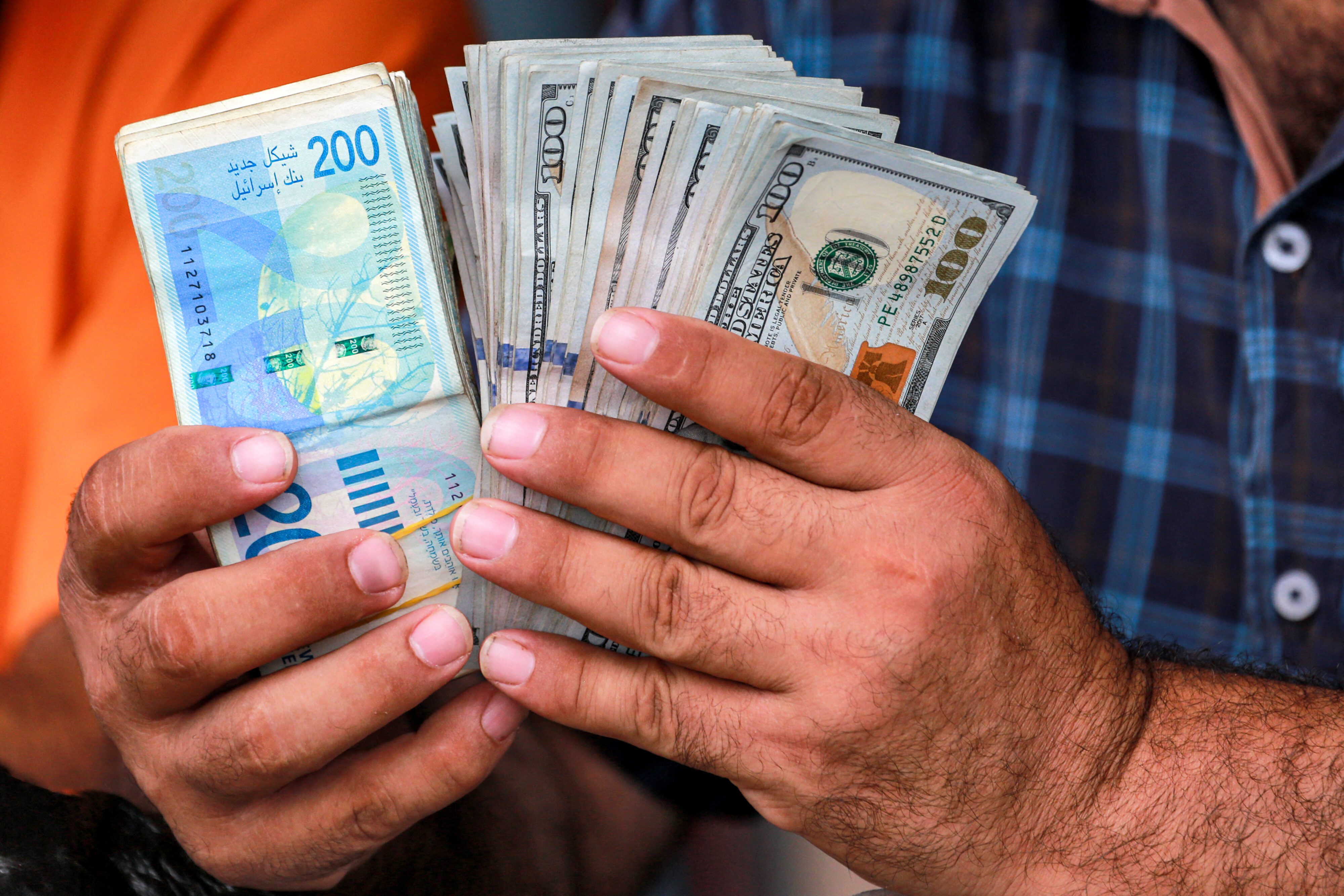
The dollar has climbed toward 3.20 shekels, with the Bank of Israel setting its latest representative rate at NIS 3.194, up 0.85% from the previous fixing. The advance means higher costs for Israelis making payments in dollars, while dollar earners receive more shekels when converting their income.
The movement goes beyond a stronger dollar worldwide. An analysis by CTech found that global dollar strength explained only about a quarter of the shekel’s slide since mid-August. The shekel had also fallen 5.3% against a basket of Israel’s trading partners’ currencies, pointing to pressures specific to the Israeli currency.

Stock-market losses provide one explanation. When overseas shares fall, Israeli pension funds and insurers may buy dollars to adjust the transactions they use to protect against currency swings. Those purchases can weaken the shekel. Economist Gil Bufman’s model, cited in the report, attributed roughly half of the preceding month’s depreciation to U.S. and Israeli equity losses.
Another usual warning sign was largely absent: the cost of insuring Israeli government debt had generally declined while the shekel weakened. The analysis identified political uncertainty and fears of renewed fighting with Iran as possible contributors, while acknowledging that the unexplained portion of the decline cannot conclusively be attributed to them.
The report also challenged the idea that Israel’s current-account deficit reflects an equivalent rush of money abroad. Around 72% of the foreign companies’ profits it discussed were reinvested locally, meaning the recorded income outflow did not necessarily translate into cash leaving Israel.

For households, the concern is what happens to prices. A weaker shekel raises the local cost of dollar-priced imports and can feed inflation as businesses pass those expenses on to customers. The effect on store prices is uneven, with exchange-rate movements having a stronger influence on goods and services traded internationally.
Israeli exporters can benefit, particularly businesses that earn dollars while paying wages and other expenses in shekels. Their foreign revenue converts into more local currency, potentially improving profitability. The same movement that puts pressure on household purchasing power can therefore provide relief to parts of Israel’s export sector.