
 Matzav
COALITION BREAKTHROUGH? Lieberman Tells Eisenkot He Will Be Prime Minister as Chareidi Parties Present Draft Demands
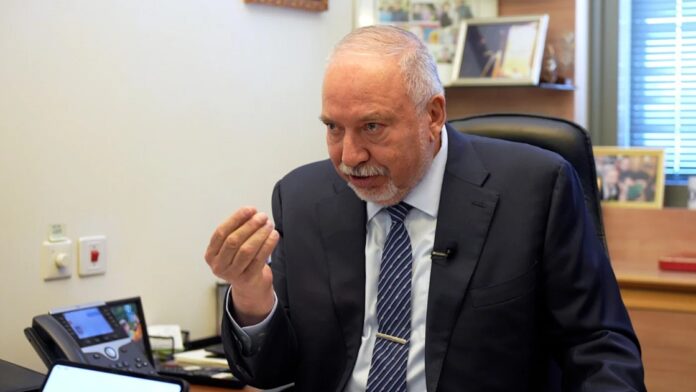
Yisrael Beiteinu chairman Avigdor Lieberman has told Gadi Eisenkot that he is prepared to support him as Israel’s next prime minister, while requesting additional time to negotiate an agreement with the chareidi parties that could make the formation of a new government possible.
According to a report Monday evening by Channel 13, Lieberman made clear during a meeting with Eisenkot that he has no interest in seeking the premiership for himself. Instead, he intends to focus on overcoming the political obstacles preventing the establishment of a coalition that would replace Prime Minister Binyamin Netanyahu.
“You will be the prime minister. I am not seeking that position for myself. I am asking you to give me time to work. There are no shortcuts. I am committed to replacing Netanyahu. You need to prepare your party and your bloc for the compromises that will be necessary,” Lieberman reportedly told Eisenkot.
The two agreed that their immediate priority would be to pursue understandings with the chareidi parties before considering alternative coalition arrangements.
Only after those negotiations have been exhausted would they examine other possibilities, including establishing a minority government dependent on support from the Arab parties.
Eisenkot reportedly asked Lieberman to take an active role in the discussions with the chareidi leadership, despite Lieberman’s longstanding opposition to exemptions from military service for yeshiva bochurim.
Meanwhile, Channel 12 disclosed several conditions that the chareidi parties are reportedly demanding in exchange for supporting a government led by Eisenkot.
Central to those demands is a temporary emergency provision that would suspend the general military draft obligation imposed on chareidi men, providing time for a longer-term arrangement to be negotiated.
The chareidi representatives are also seeking a suspension of arrests targeting yeshiva bochurim classified by the military as draft evaders, with the freeze remaining in effect throughout the proposed transitional period.
Another condition would prohibit the imposition of sanctions against eligible chareidi men during that period, preventing punitive measures from being introduced while negotiations over a permanent solution continue.
The proposed arrangement would also require approval from the attorney general and the legal adviser to the Knesset Foreign Affairs and Defense Committee, an effort to ensure that any temporary agreement could withstand legal scrutiny.
The proposed freeze would reportedly remain in effect for one year to 18 months, allowing the new government to establish a committee to examine a broader framework for military or national service. Chareidi representatives are seeking advance assurances that the temporary arrangement would be defended against challenges before the Supreme Court.
Additional reporting by Channel 13 indicates that the negotiations could also involve senior cabinet positions for United Torah Judaism, including the Interior and Housing ministries. However, no final agreement has been announced, and senior rabbonim have reportedly cautioned that significant differences remain between the parties.
Lieberman’s willingness to consider concessions represents a major departure from his longstanding political position. He previously refused to participate in a government alongside the chareidi parties and made compulsory military service a central issue in his election campaign.
He has now indicated that the draft legislation he proposed in 2018 could serve as a starting point for negotiations, although he continues to insist that any agreement must withstand Supreme Court review.
Another development emerged from Monday’s meeting concerning the position of Knesset speaker. According to Israeli media reports, Lieberman and Eisenkot reached an understanding that the position would go to a representative of Eisenkot’s Yashar party, with Eisenkot himself considered a possible candidate.
The incoming 26th Knesset is scheduled to be sworn in Tuesday, even as negotiations over the next government remain unresolved.
Prime Minister Netanyahu, meanwhile, is pursuing his own efforts to prevent the formation of an alternative coalition, calling for a broad unity government that would include Likud, the chareidi parties and other Zionist factions.
For the chareidi parties, the decisive question remains whether any prospective government can provide enforceable protections for yeshiva bochurim and prevent further arrests and financial penalties while a permanent draft arrangement is negotiated.