
 Matzav
WEIGHT-LOSS WARNING: Doctors Identify Six Health Risks That Can Follow Stopping Ozempic, Wegovy and Zepbound
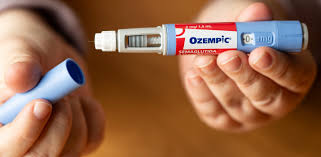
Patients who discontinue popular weight-loss medications such as Ozempic, Wegovy and Zepbound may face a series of unexpected health consequences, including the rapid return of lost weight, increased hunger, muscle loss and the reversal of improvements in blood sugar and cardiovascular health, according to a physician warning that the benefits of these drugs can be difficult to maintain after treatment ends.
Dr. Frank Dumont, an internal medicine specialist and executive medical director at San Francisco-based Virta Health, said patients should understand the potential consequences of discontinuing GLP-1 medications before deciding to stop treatment. Although the drugs have transformed the treatment of obesity and type 2 diabetes, studies indicate that many users discontinue them within their first year.
Patients abandon the medications for several reasons, including unpleasant side effects, medical complications and reluctance to remain on prescription drugs indefinitely. Nausea, vomiting, diarrhea and constipation are among the commonly reported problems, and some patients find that the medications suppress their appetite so substantially that maintaining adequate nutrition becomes difficult.
“Those types of things can become troublesome enough that people actually have a hard time eating enough food to get good nourishment,” he told Fox News Digital. “Working with your physician to make a decision about whether it’s right for you to stay on the medicine or not is important.”
More serious complications can require discontinuing treatment altogether. One such concern is acute pancreatitis, an uncommon but potentially dangerous inflammation of the pancreas that requires prompt medical attention.
“We know that’s fairly rare, but if the pancreas becomes involved, that is not a good thing,” Dumont said. “It can be very serious. It can even be life-threatening.”
Certain medications in this category also carry warnings concerning thyroid C-cell tumors, based on findings in animal research. Whether these drugs cause such tumors in humans has not been established. They are contraindicated for individuals with a personal or family history of medullary thyroid carcinoma or multiple endocrine neoplasia syndrome type 2, known as MEN 2.
Dumont identified six areas of concern for patients who stop using GLP-1 medications, beginning with changes in appetite and extending to the possible loss of important long-term health benefits.
One of the earliest changes is often the return of persistent hunger and cravings. Patients who experienced relief from constant thoughts about eating while taking the medication may find those urges returning after treatment ends, a phenomenon commonly described as “food noise.”
Some individuals begin treatment believing they can use the medication temporarily, reach a desired weight or blood sugar level, and then discontinue it without difficulty. However, medical organizations, including the American Medical Association and the Obesity Medicine Association, recognize obesity as a chronic disease that frequently requires continuing treatment and management.
“Unless you have significantly changed what you’re doing in terms of the types of foods you’re eating, it’s likely you’ll go back to the same foods you were eating before, and hunger and cravings will go up,” Dumont said.
A second major concern is weight regain, which clinical research has shown can occur relatively quickly after patients discontinue treatment.
In an extension of the STEP 1 clinical trial, participants who stopped semaglutide and the accompanying lifestyle intervention regained approximately two-thirds of their previous weight loss over the following year.
Similar findings emerged from the SURMOUNT-4 trial involving tirzepatide, the active ingredient in Zepbound. Participants who were switched from the medication to a placebo after 36 weeks regained more than half of their earlier weight loss during the subsequent year, despite continuing to receive dietary and exercise guidance.
“That’s just so devastating for people who felt like they’d finally found a solution that would work,” Dumont said.
The third potential consequence involves deterioration in metabolic health indicators. While taking GLP-1 medications, many patients experience improvements in blood sugar, blood pressure and cholesterol levels. These gains can be particularly valuable for people with diabetes or prediabetes, but they may diminish after treatment is discontinued.
Dumont also warned that improvements in fatty liver disease could be reversed if patients return to eating patterns that contributed to their original metabolic problems.
“We know that these medications can help to decrease some of that steatotic or fatty liver disease that occurs,” he noted. “And when you go off the medicine, if you go back to eating the way you did before, those numbers have a tendency to worsen.”
A fourth concern is the effect of repeated weight loss and regain on body composition, particularly the possibility that patients may lose muscle during treatment and regain proportionately more fat after stopping.
“When people take the GLP-1 medications, they lose weight, but they tend to lose both fat mass and lean muscle mass,” he told Fox News Digital.
Research examining body composition during tirzepatide treatment found that approximately three-quarters of the weight lost consisted of fat, while about one-quarter was lean tissue, a category that includes muscle as well as other nonfat components.
Dumont expressed concern that patients who regain weight may not necessarily recover all the lean tissue they lost, potentially leaving them with a less favorable balance of muscle and fat after repeated treatment cycles.
“So, there’s a bit of a ratcheting-down effect if someone is on and off these medications, where they lose fat and muscle, stop the medicine, regain fat, go back on the medicine, and lose fat and muscle,” he added.
Maintaining muscle mass is particularly important for physical strength, metabolic function, mobility and reducing the likelihood of injuries, especially as patients grow older.
The fifth issue involves emotional and psychological consequences. For individuals who have struggled with their weight for years, losing progress after finally finding an effective treatment can be deeply discouraging.
Dumont said patients who have repeatedly attempted diets and weight-loss programs may regard GLP-1 medications as their best opportunity for lasting success. When treatment must be stopped or the weight returns, the experience can be especially difficult.
He described the reversal of progress as a “regression on all fronts” that can be “really devastating from a mental health standpoint.”
“It can make you feel disheartened and like you don’t have the control you thought you did,” he added.
The sixth concern is the potential loss of protection against serious medical conditions, particularly cardiovascular disease.
An observational study published in BMJ Medicine found that adults with type 2 diabetes who discontinued GLP-1 treatment experienced a higher rate of major cardiovascular events than patients who remained on the medications. Longer interruptions were associated with greater risk, although observational findings do not establish that stopping the drugs directly caused those events.
Dumont explained that the medications can improve several factors associated with heart attacks and strokes, including blood sugar regulation, cholesterol levels and inflammation. When those improvements disappear, patients may again face elevated health risks.
“But again, if you stop the medicine and you haven’t changed the way that you eat, then all of those numbers can worsen … and that can then increase the risk of those bad things happening — things that can be devastating from a life quality standpoint, but also can shorten your life,” he warned.
Despite these concerns, Dumont emphasized that discontinuing GLP-1 medications does not inevitably mean losing all the benefits achieved during treatment. He said patients who make substantial, sustainable dietary changes and reach important metabolic goals may be better positioned to maintain their progress.
“We actually have peer-reviewed published data demonstrating that you can indeed stop one of these medications when you reach your metabolic goals,” he said.
The research he referenced involved selected patients with type 2 diabetes participating in a structured nutritional treatment program associated with Virta Health. Because the study examined a particular patient population and treatment approach, its findings may not apply to everyone taking GLP-1 medications.
“The GLP-1 is not the only solution,” he said. “It needs to be coupled with … a way of eating that’s going to work for you for the long term that allows you to stop the medicine successfully if you need to.”
Dumont advised patients considering discontinuation to consult their prescribing physician, develop a realistic long-term nutrition plan and continue monitoring their weight and blood sugar levels after treatment ends.
A closer look at the clinical evidence reinforces the concern about weight returning after treatment ends. In the STEP 1 extension, participants taking semaglutide initially lost an average of 17.3% of their body weight. One year after discontinuation, their average weight remained 5.6% below where they started, demonstrating that some benefits persisted even though much of the earlier weight loss had been reversed.
The SURMOUNT-4 trial, published in the Journal of the American Medical Association, similarly found that patients who continued tirzepatide maintained or increased their weight loss, while those switched to placebo experienced substantial regain. Researchers concluded that continuing treatment was considerably more effective for maintaining weight reduction than withdrawing the medication.
These findings have prompted growing discussion among obesity specialists about whether GLP-1 medications should be viewed primarily as long-term treatments rather than temporary weight-loss interventions. For patients who need to discontinue them because of side effects, cost or other medical considerations, physicians emphasize the importance of individualized follow-up rather than assuming the results will automatically last.
{Matzav.com}