
 Vos Iz Neias
Parking, Congestion Cited As World’s Largest Food Company Ends Direct Deliveries to Smaller NYC Stores
NEW YORK (VINnews) — New York City’s chronic congestion and lack of curbside access are creating a new problem for shoppers: higher grocery prices.
Independent supermarkets across the city are bracing for price increases on popular snack brands after Mondelez International, one of the world’s largest food companies, said it will scale back direct deliveries to roughly 1,000 smaller grocery stores in New York, the NY Post reports.
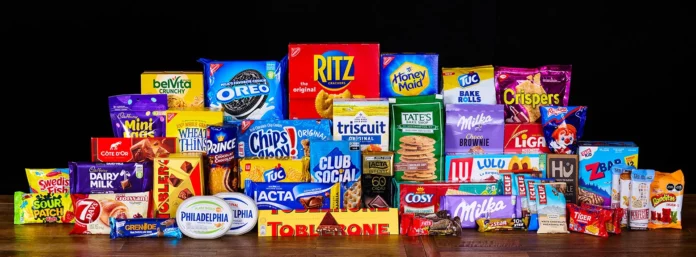
The change is expected to affect well-known products such as Oreos, Ritz crackers, Triscuits and Chips Ahoy, according to grocery industry representatives. Store operators say prices on some items could rise by as much as $1 per package in the coming weeks as retailers shift to third-party wholesalers.
Mondelez, which also produces Philadelphia cream cheese, Clif Bars and Halls cough drops, informed grocers in a January letter that it is moving to a new distribution model and will no longer deliver directly to many independent stores. The company cited parking shortages and accessibility challenges for delivery trucks, industry officials said.
Large supermarket chains are expected to continue receiving direct deliveries, while smaller neighborhood grocers — including many in upper Manhattan and the outer boroughs — will need to rely on outside distributors. Those distributors typically charge higher fees and do not handle in-store stocking, increasing labor costs for retailers.
Trade groups representing independent supermarkets warned that the shift will likely be passed on to consumers already struggling with rising food prices.
The issue has drawn political attention in Albany and City Hall. The National Supermarket Association sent letters this week to Gov. Kathy Hochul and Mayor Zohran Mamdani urging intervention, arguing that the policy could undermine competition and disproportionately harm smaller stores that serve working-class neighborhoods.
Mondelez did not respond to requests for comment.
The development comes as state lawmakers consider new legislation aimed at strengthening oversight of grocery pricing practices, amid growing concerns about food affordability across New York.