
 Vos Iz Neias
Record 311 Complaints as New Yorkers Face Days Without Heat or Hot Water
NEW YORK (VINnews) — Tens of thousands of New Yorkers were left without heat and hot water during a record-breaking cold snap in January, with residents reporting days without warmth as temperatures dropped into the teens.
According to city data tallied by The New York Post, the city received roughly 80,000 complaints to 311 about heating issues in January 2026, the highest monthly total on record. Since the start of the heating season on Oct. 1, more than 215,000 complaints have been logged, surpassing the 187,775 recorded during the same period last winter.
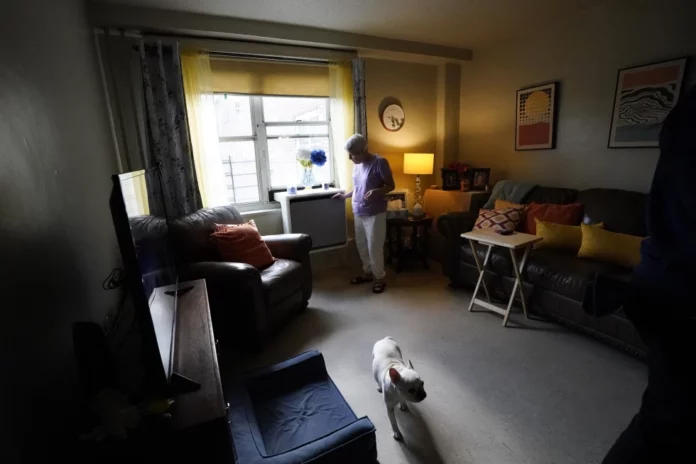
Residents in both private and public housing described freezing apartments, ice-cold showers, and overnight heating outages. Tenants at 491 Keap Street in Williamsburg, Brooklyn, reported weeks without hot water and days without heat. In Astoria, Queens, residents said building heating systems failed overnight during the coldest hours, forcing them to rely on space heaters, blankets, and improvised methods to stay warm.
Public housing tenants at NYCHA developments, including the Lehman Village Houses, also experienced extended outages. City data and tenant accounts show that some residents went weeks without heat or hot water, with temporary fixes such as boiling water on stoves. NYCHA has a reported $78 billion repair backlog, and officials said they operate a 24/7 heat desk and have invested hundreds of millions in heating infrastructure.
City officials have defended their response. Deputy Press Secretary Matt Rauschenbach said the administration is reviewing the Housing Maintenance Code and enforcement measures. The surge in complaints comes as Mayor Zohran Mamdani’s administration promotes the appointment of housing activist Cea Weaver as tenant protection czar.
NYCHA residents and private tenants alike described harsh conditions exacerbated by absentee landlords and aging infrastructure. Some residents have resorted to temporary relocation or legal action, citing unlivable conditions and delayed responses.