
 Vos Iz Neias
Netanyahu Announces Cabinet Approval for New Negev Airport in Ziklag, Parallel Push in North
JERUSALEM (VINnews)-Prime Minister Benjamin Netanyahu on Sunday declared the Israeli government’s approval for constructing a supplementary international airport to Ben Gurion Airport in Ziklag, located in the northern Negev, describing it as a major driver for regional development, job creation and tourism.
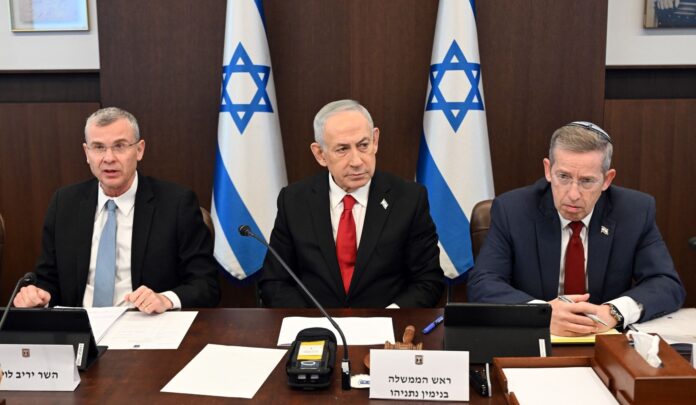
In remarks opening the weekly Cabinet meeting, Netanyahu said the project would include complementary infrastructure such as roads, railways and secondary industries, mirroring successful airport-driven growth seen worldwide and in Israel.
“This is part of our vision — a true vision for the development and settlement of the Negev and for overcoming the challenges of peripheral areas,” Netanyahu said. “Public infrastructure and private initiative — this is precisely the classic link in this enormous initiative.”
The prime minister credited Transportation Minister Miri Regev, Finance Minister Bezalel Smotrich and Deputy Minister Almog Cohen for their efforts in advancing the Negev project, noting they worked together to bring the decision forward. He ordered rapid implementation, expressing hope it would proceed swiftly.
Netanyahu also highlighted plans for a separate airport in the north at Ramat David, emphasizing the need to address growing demand for air travel from tourists and Israeli citizens alike.

“Since the North is currently ahead, we must move Ziklag forward quickly,” he said, referring to the southern project. He stressed parallel development of both sites as “tremendous engines of growth” for Israel, aiming to close the gap between them while supporting related initiatives like “IDF South” and broader infrastructure.
The Ziklag site, situated between Rahat and Netivot near Beersheba and in the area of the biblical Ziklag archaeological site, was selected after years of debate over locations for a second major airport to ease congestion at Ben Gurion. Previous announcements in early February indicated government backing for the plan, with an estimated cost of NIS 7 billion, though critics have raised concerns about infrastructure challenges, airspace overlaps with military operations and proximity to Gaza.
The government views the airport as essential to accommodate rising passenger numbers and boost the southern periphery economy through thousands of jobs and enhanced accessibility.