
 Vos Iz Neias
Kushner Unveils Ambitious ‘Rebirth’ Timeline for Gaza: Rafah Rebuilt in 3 Years, Self-Governance by Year 10
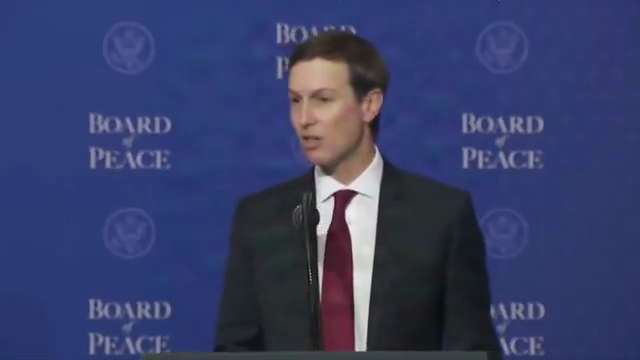
WASHINGTON D.C (VINnews)-Jared Kushner, son-in-law of President Trump and a key architect of Middle East policy initiatives, presented a detailed framework for Gaza’s postwar “rebirth” during a Board of Peace event at the World Economic Forum, outlining rapid reconstruction and long-term self-governance for the territory.
In his remarks, Kushner emphasized humanitarian priorities, stating: “We are here to help the people of Gaza, to lift them up, and give them every opportunity to succeed.”
The presentation, which included a video and slides depicting mock-ups of a “New Gaza” and “New Rafah,” projected a phased redevelopment plan. It envisions Rafah — a southern Gaza city devastated by conflict — fully rebuilt within three years, with initial focus on workforce housing, rubble clearance (already in progress), infrastructure restoration, and economic integration to address high unemployment and foster regional ties.
By the 10-year milestone, the framework anticipates Gaza achieving self-governance, supported by enhanced stability, industrial growth, employment opportunities, and broader regional connectivity.
The Board of Peace, established under Trump’s leadership following a U.S.-brokered ceasefire agreement, serves as an international oversight body for Gaza’s reconstruction, security, and mediation efforts. Kushner credited Trump’s diplomatic approach for creating the conditions to pursue this vision, describing it as a path to security, effective governance, and prosperity for Gaza’s residents.
The visuals showcased modern urban developments, including high-rises, waterfront zones, and economic hubs. Kushner stressed that success hinges on sustained security measures and demilitarization, while prioritizing the needs of Gaza’s population.
The proposal has drawn mixed reactions: supporters hail it as a transformative blueprint for stability and economic revival in the war-torn enclave, while critics question its feasibility, potential displacement risks, and the extent of Palestinian involvement in the planning process.
Implementation remains coordinated through the Board of Peace with regional and international partners amid ongoing humanitarian needs in Gaza.