
 Matzav
North Korea’s Workers’ Party Reappoints Kim Jong Un as General Secretary at Party Congress
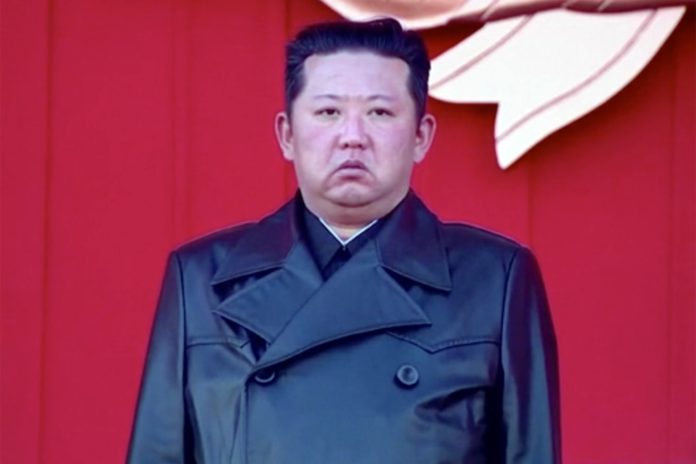
North Korea’s ruling Workers’ Party has reaffirmed Kim Jong Un as its general secretary during a party congress session on Sunday, according to state media, reinforcing his unchallenged authority and signaling what observers describe as heightened confidence in the country’s internal stability.
The Korean Central News Agency reported Monday that Kim was credited with elevating the nation’s standing and strengthening its global position in pursuit of what it described as a revolutionary mission. The state outlet also praised his efforts to transform the armed forces “into an elite and powerful army.”
State media further emphasized advances in Pyongyang’s military capabilities, declaring that under Kim’s leadership, “the war deterrence of the country with the nuclear forces as its pivot has been radically improved,” KCNA said in the laudatory report of the fourth day of the congress’ proceedings.
Outside analysts interpreted the move as a signal that Kim views his grip on power as secure. “The reaffirmation of his authority amounts to a declaration that Kim Jong Un has ended the regime’s ‘crisis management mode’ and entered a phase of confident, stable long term rule,” Lim Eul-chul, an expert on North Korea at Kyungnam University, said.
In addition to confirming Kim’s position, delegates selected members of the party’s Central Committee and approved amendments to party regulations, KCNA reported. While the agency did not outline the substance of the rule changes, it noted shifts in committee membership that appeared to sideline several veteran figures.
Among those reportedly removed from key roles were former Foreign Minister Ri Su Yong, Supreme People’s Assembly Standing Committee Chairman Choe Ryong Hae, and senior military official Ri Pyong Chol, a development analysts described as a possible reshuffling of longstanding leadership figures.
Kim’s teenage daughter, Ju Ae, who has appeared alongside him at public events in recent years and has been the subject of succession speculation, has not been seen at the congress thus far.
The ninth party congress, which typically convenes every five years and runs for several days, began Thursday with approximately 5,000 delegates in attendance. South Korean officials are closely monitoring the gathering for signs of shifts in domestic or foreign policy.
So far, however, the sessions have centered largely on claims of economic recovery and achievements attributed to party leadership, with no major new policy initiatives publicly unveiled.