
 Matzav
SEAL Team 6 Veteran Challenges Bin Laden Raid Myths, Reveals New Details of Historic Mission
Former Navy SEAL Matt Bissonnette is offering a fresh account of the 2011 raid that killed al-Qaeda mastermind Osama bin Laden, disputing several long-standing claims about the operation and describing how the elite assault team methodically carried out one of the most famous military missions in American history, Fox News reports.
Bin Laden was killed in May 2011 during a high-risk nighttime raid in Abbottabad, Pakistan, carried out by members of the U.S. Navy’s SEAL Team 6, who were flown into the country aboard helicopters operated by the Army’s 160th Special Operations Aviation Regiment.
The operation brought justice to the victims of the September 11 terrorist attacks and to the countless American servicemen and women who fought in the years of war that followed.
Although numerous books, documentaries, and media reports have attempted to reconstruct the mission, many aspects of the raid have remained classified or disputed, leaving room for competing accounts of what actually happened inside bin Laden’s compound.
Bissonnette, who participated in the operation, discussed the mission during a newly released interview with podcaster and former DEVGRU operator Andy Stumpf, sharing his perspective on several of the raid’s most controversial moments.
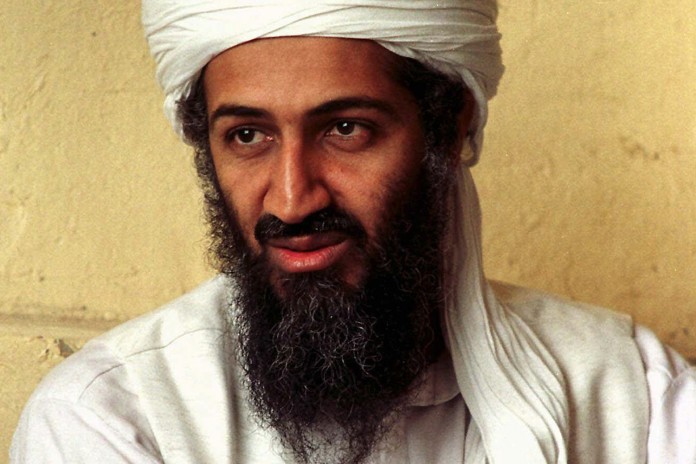
Among the issues he addressed was the widespread claim that bin Laden’s face was destroyed by gunfire. Bissonnette rejected that characterization, arguing that the available evidence would quickly settle the debate if the government ever released the photographs.
“The photos, if they ever got released, I don’t know, I think that would help clear some stuff up. I think you’d also see very quickly it’s high forehead shots. His face is not all [messed] up. You can very clearly see his bridge of his nose, whole face, mouth, mouth structure. Easily identifiable. The idea that there were extra shots or any of this that his face was distorted. Release the photos. High forehead shots,” Bissonnette said.
The former member of Red Squadron also revisited another hotly debated question surrounding the raid: exactly what happened when the lead operator reached the third floor of the compound and confronted bin Laden.
According to Bissonnette’s recollection, the point man—whose identity has never been publicly disclosed and is commonly referred to as “Red”—fired at bin Laden after seeing him appear in a doorway. Bissonnette said the operator then did what every SEAL is trained to do: advance toward the threat he had just engaged rather than abandon it.
Explaining why he rejects alternate versions of the story, Bissonnette told Stumpf:
“The shot that the pointman took, what SEAL out there is not going to follow his shots? Tactically, that is what we’re taught. Your threat matrix, what is your biggest threat out there? Unknown male…Everybody knew bin Laden most likely lived on the third floor. [The pointman] had just eliminated Khalid [bin Laden] on the second in the landing with a gun. You have to assume, right, the guy in the third floor is armed, right? So, he takes a shot. Enough within the rules of engagement to shoot that head, and he decides to stay in the hallway? He decides to come off the known threat that he just shot at and chase women and kids? What team guy is doing that? Why? Where? And then where are the women and kids? I’ve heard 38 different version from other people of where the women were. The women were in the room, right? That’s where the chick [Amal bin Laden] was wounded in the leg. Women were in the room. Not out of the room…You can pull up the sketches and layout of the third floor. Right up the set of stairs, open door on the right. Shots go, right? Point man follows his shots to the doorway. He doesn’t say in the hallway. He doesn’t come off of where he just shot at an adult male head in bin Laden’s compound in the third floor. Who is all of a sudden going to be like, ‘Okay, shoot. Okay, I’m going to go check this way.’ There’s nobody that does that. There’s not a team guy out there that does that. You follow your shots, and that’s exactly what he did. He entered the room.”
Bissonnette also spoke about the tactics employed throughout the operation, describing an approach that differed sharply from the fast-paced action sequences often portrayed in movies.
Rather than racing recklessly through the compound, he said the SEALs advanced deliberately while remaining alert for the possibility of suicide bombers, explosives, or other hidden dangers.
“The only sense of urgency was, okay, do they have [suicide vests]? Is the house rigged to blow? And are they prepping something? That’s still not dictating our tactics to just sprint upstairs. So, it was slow and methodical,” the former SEAL explained.
The interview comes as Bissonnette prepares to release his new book, No Easy Way, in which he further recounts his experiences in special operations and offers additional insight into the mission that ended the decade-long manhunt for the world’s most wanted terrorist.
{Matzav.com}