
 Matzav
GENDER SEPARATION: Bnei Brak Plans Separate Sidewalks for Men and Women Along Busy Streets
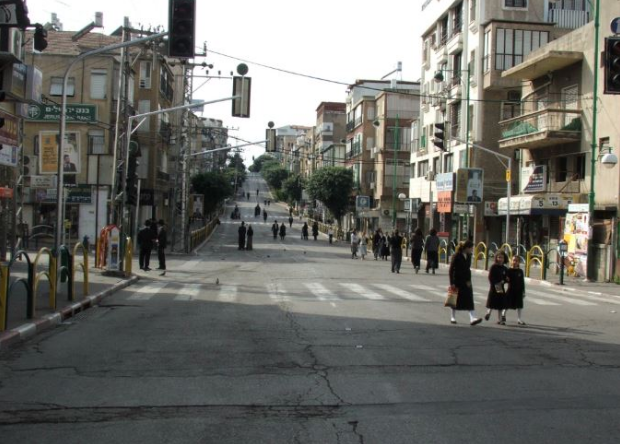
Acting on instructions from the city’s leading rabbanim, the Bnei Brak Municipality is preparing to implement gender-separated sidewalks along Shlomo HaMelech and Ezra Streets, home to several popular wedding and event halls. The stated goal of the initiative is to “prevent encounters between men and women.” City officials said, “The rabbis’ letter speaks for itself.”
According to the report, the municipality is moving forward with plans to carry out a directive issued by prominent rabbanim calling for complete gender separation along the sidewalks of the two streets. The proposal includes physical changes to the public space, including signs and designated sidewalks for men and women, with the aim of ensuring that the two do not walk along the same side.
The official directive, which was released to the public, instructs that all residents—adults and children alike—be informed of the policy and educated to observe it carefully. The need for the separation, according to the directive, stems from the heavy pedestrian traffic created by guests attending events at the nearby wedding halls.
Municipal officials said the plan has been under discussion for several years. They added that the proposal is not necessarily limited to these two streets and could eventually be expanded to other crowded thoroughfares in the city, similar to arrangements found in other chareidi population centers.
The initiative appears to conflict with previous rulings by Israel’s Supreme Court, which has barred the installation of gender-separation signs in public neighborhoods. One such ruling followed a widely publicized dispute in Beit Shemesh that sparked fierce controversy. In this case, however, the initiative is being advanced by the mainstream chareidi leadership in Bnei Brak.
Responding to the report, city officials said, “The rabbis’ letter is very clear and speaks for itself. The city’s residents, who faithfully follow the guidance of the gedolei Yisroel and heed their instructions, will comply with their request.”
Yael Yechieli, director of the 5050 Initiative, sharply criticized the proposal. “Throughout all the years of our struggle against gender segregation, we warned that there would be no end to the demands for separation, and that it would eventually reach the streets. It will never stop. It started with buses, continued with events, then academia, and now sidewalks. The community’s rabbis want to exclude women from every place, and if we don’t stop them, it will only continue. The monster of segregation is never satisfied. It is important to emphasize that only men were sitting around the Bnei Brak Municipality’s decision-making table. Is it possible that if 50% of those present had been women, a different decision would have been made? The disaster of segregation must end, and the public must fight against it.”