
 JBizNews
CDC Warns Parasite Cases Will Climb All Summer as Taco Bell Lettuce Draws Scrutiny
The Centers for Disease Control and Prevention told reporters on Tuesday that cases of cyclosporiasis — an intestinal illness caused by a microscopic parasite spread through contaminated food and water — will keep rising through the summer, even as investigators still cannot name the food behind the worst outbreak year in recent memory. Gwen Biggerstaff, deputy director of the agency’s Division of Foodborne, Waterborne, and Environmental Diseases, said in the July 14 briefing that the number of reported cases is unusually high for this point in the season, and that these investigations are slow and difficult by nature. The agency issued a health alert to doctors the same day.
The scale is the story. In its alert, the CDC reported 1,645 laboratory-confirmed cases across 34 states since May 1, with 141 hospitalizations and no deaths. Another 5,100 probable cases are still being sorted out, pushing the national tally above 6,700 confirmed or probable infections. Dianna Blau, acting chief of the CDC’s Parasitic Disease Branch, said the entire year of 2025 produced roughly 2,700 cases. At this same point last year, the country had recorded 249.
Michigan is carrying the heaviest load by far. The Michigan Department of Health and Human Services reported 3,309 cases as of Tuesday, against a normal year of about 40 to 50. Dr. Natasha Bagdasarian, the state’s chief medical executive, called the climb highly unusual and said in a statement Monday that lettuce keeps surfacing as a common item in patient interviews — though she cautioned that no grower, supplier or specific product has been identified, and other foods have not been ruled out. Ohio has logged 361 cases since June 1 with 46 hospitalizations. West Virginia reported 69 cases and at least eight hospitalizations. Kentucky is near 100, in a state that typically sees 35 a year. The CDC now believes more than 400 cases across those four states are linked to a single source.
What businesses are doing about it
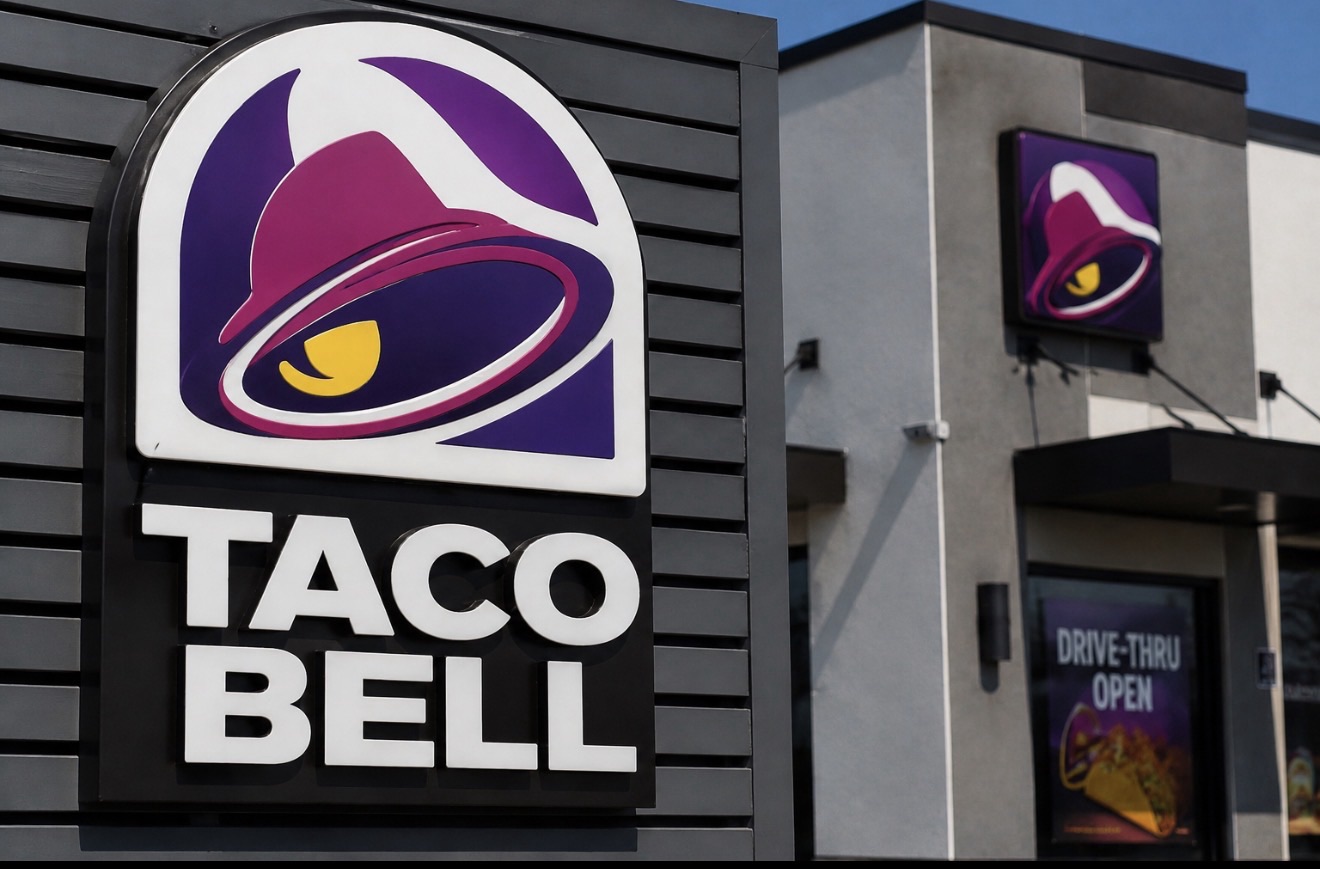
The commercial fallout is landing on restaurants first. Detroit-area Taco Bell locations posted signs saying they could not sell lettuce, cilantro onion, pico de gallo or guacamole. The chain, owned by Yum! Brands, told Bloomberg it had temporarily and voluntarily pulled certain ingredients at select restaurants while officials review the outbreak. Federal and state health officials are examining whether lettuce served at the chain played a role. No cases have been publicly tied to the company.
Independent operators moved on their own. Dipisa’s Pizza in Stevensville, Michigan pulled lettuce, tomatoes and onions from its menu entirely rather than take the risk. Those decisions are voluntary — Bagdasarian confirmed no state order has been issued.
Wall Street is treating the damage as contained for now. Peter Saleh, an analyst at BTIG, wrote in a July 10 research note that he is not aware of anyone getting sick from Taco Bell, and that indications from other operators point to a localized problem rather than an industry-wide one. Saleh said BTIG contacted Wendy’s and Chipotle, and neither reported trouble with lettuce or the other flagged items. Chipotle’s chief corporate affairs and food safety officer said the company is watching closely and does not believe its ingredients are involved.
History suggests the market reaction depends on whether a name gets attached. McDonald’s absorbed a one-quarter dip in same-store sales after the 2024 E. coli outbreak tied to slivered onions and moved on. Chipotle spent years and a $25 million settlement recovering from its 2015–2018 illness outbreaks.
Why nobody can find it
Cyclospora is harder to trace than the bacteria food-safety labs are built to chase. Craig Hedberg, a food-safety researcher, explained that the parasite cannot be grown in a laboratory, so the subtyping that quickly links cases in a salmonella or E. coli outbreak is not available. The CDC is relying on partial genotyping. Symptoms take up to 14 days to appear, so patients often cannot recall what they ate — and contaminated produce is usually buried inside something else, like bagged greens in a salad or cilantro in salsa.
Testing capacity is another bottleneck. Standard stool panels miss the parasite unless a doctor specifically orders the test. Axios reported the surge is outpacing lab capacity, delaying diagnoses. The FDA has begun traceback work on cilantro, scallions and cucumbers tied to a separate cluster in Illinois, New York, Pennsylvania and Texas — evidence that more than one outbreak is running at once. No recalls have been issued.
The surveillance question is now political. In July 2025, the CDC made cyclospora reporting optional through its Foodborne Diseases Active Surveillance Network. Former CDC Director Dr. Robert Redfield told CNN that cutting those programs does not serve the country’s interest, calling surveillance the key to early detection. Blau said reporting practices at the agency have not changed.
For growers, distributors and restaurant operators, the practical risk is the vacuum. Until the CDC names a product, every leafy green in the country carries the suspicion — and consumers make their own recalls.
JBizNews Desk | New York © JBizNews.com All Rights Reserved. Reproduction or distribution without written permission is prohibited.