
 JBizNews
Strong Earnings Meet Stretched Valuations as S&P 500 Nears Record Highs
Corporate America is delivering one of its strongest earnings seasons in years, yet Wall Street faces a growing debate over whether stock prices have already climbed too far.
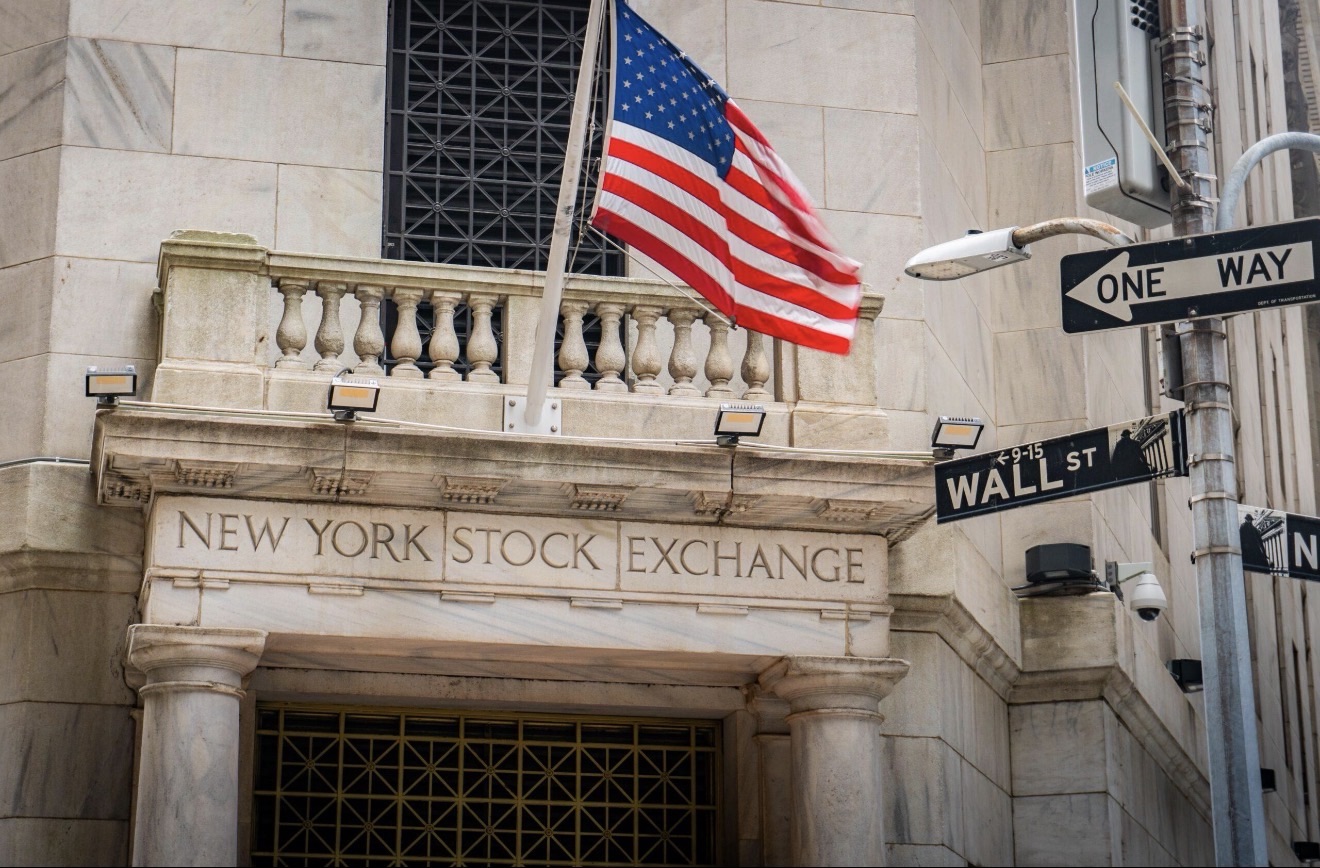
As second-quarter earnings season began Tuesday with powerful results from the nation’s largest banks, investors found themselves weighing two competing realities: corporate profits continue exceeding expectations, while stock valuations have climbed to levels that many strategists believe leave little room for disappointment.
The earnings picture remains impressive.
Following robust first-quarter results, analysts expect S&P 500 companies to deliver another quarter of exceptional profit growth, with consensus forecasts calling for earnings to increase approximately 23% to 24% from a year earlier.
That pace is well above the long-term historical average and reflects continued consumer spending, resilient business investment and strong demand for artificial intelligence infrastructure.
The strength of those profits has helped drive the market close to record highs.
But the price investors are paying for those earnings has become increasingly controversial.
One of Wall Street’s most closely watched valuation measures—the Shiller Cyclically Adjusted Price-to-Earnings (CAPE) ratio, developed by Nobel Prize-winning economist Robert Shiller—now stands near 41, placing today’s market among the most expensive periods in modern financial history.
Comparable readings were reached only during episodes such as 1929, the dot-com bubble of 2000, and the speculative rally of 2021.
Using a different measure, Goldman Sachs estimates the S&P 500 trades at roughly 21 to 22 times expected forward earnings, approaching valuation levels last seen during the technology boom more than two decades ago.
Goldman Sachs strategist Ben Snider has cautioned that elevated valuations do not necessarily predict an immediate market decline.
However, they do increase the market’s sensitivity to disappointing earnings, slower economic growth or unexpected policy changes.
Several major investment banks share those concerns.
Bank of America recently warned that investor speculation has reached unusually elevated levels, particularly among high-growth technology companies benefiting from enthusiasm surrounding artificial intelligence.
The firm continues projecting the S&P 500 will finish the year near 7,100, implying limited upside from current levels.
Analysts also note that today’s valuations come as the Federal Reserve continues fighting inflation and still expects at least one additional interest-rate increase before year-end.
Historically, higher interest rates reduce the present value investors assign to future corporate earnings, placing greater pressure on richly valued stocks.
Another concern involves market concentration.
A relatively small group of artificial intelligence leaders—including Nvidia, Microsoft, Apple, Amazon, Meta Platforms and other technology giants—has accounted for a disproportionate share of the market’s gains.
Should those companies report weaker-than-expected results or reduce spending on AI infrastructure, the broader market could face increased volatility.
Yet not everyone believes valuations are excessive.
Keith Lerner, Chief Market Strategist at Truist, argues that while share prices have risen substantially, corporate earnings have increased even faster.
As a result, the market’s forward price-to-earnings ratio has actually declined modestly since the beginning of 2026, suggesting valuation pressures have eased somewhat despite rising stock prices.
Other strategists remain even more optimistic.
Ed Yardeni, President of Yardeni Research, recently increased his year-end target for the S&P 500 to 8,250, arguing that today’s rally differs fundamentally from the speculative excesses of the late-1990s technology bubble.
Rather than relying on unrealistic expectations, Yardeni believes current gains are supported by exceptional corporate profitability, particularly among companies benefiting from artificial intelligence.
JPMorgan Chase has likewise raised its market outlook while simultaneously cautioning that elevated investor positioning could produce periods of sharp volatility if market sentiment changes unexpectedly.
The disagreement highlights one of investing’s oldest questions.
Can outstanding earnings justify unusually high stock prices?
History suggests the answer depends largely on whether companies continue delivering exceptional financial performance.
If earnings continue expanding at current rates, today’s valuations may prove sustainable.
If profit growth slows, investors may become less willing to pay premium prices for future earnings.
The implications extend beyond professional money managers.
Millions of Americans now own the S&P 500 through retirement plans, pension funds and index funds.
The market’s performance therefore influences household wealth, retirement savings and consumer confidence throughout the economy.
For businesses, elevated stock prices also reduce borrowing costs, encourage investment and support merger activity.
At the same time, higher valuations leave less room for operational mistakes.
Companies reporting earnings over the coming weeks may find investors reacting more sharply to even modest disappointments.
The coming earnings season will therefore test more than corporate profitability.
It will test whether record earnings can continue supporting record valuations.
For now, Wall Street appears willing to pay premium prices for companies delivering premium growth.
Whether that confidence proves justified may determine the market’s direction during the second half of 2026.
JBizNews Desk | New York
© JBizNews.com All Rights Reserved. Reproduction or distribution without written permission is prohibited.