
 Israel National News
18 million shekels: Force 100 soldiers sue prosecutors, police and Channel 12
Aug 31, 2026·4 min read
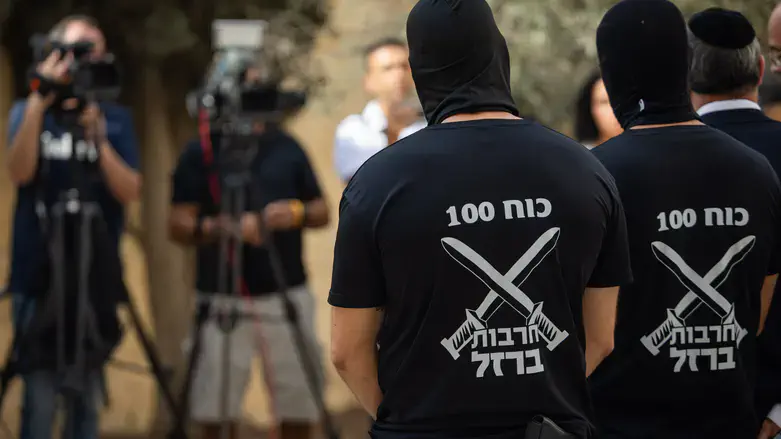
Three soldiers from Force 100, the IDF reserve unit accused of abusing an imprisoned terrorist, submitted an 18 million shekel lawsuit to the Jerusalem District Court against a long list of officials in the Military Advocate General's Corps, the State Prosecutor's Office, and the law enforcement system, as well as journalist Guy Peleg and Channel 12.
According to the soldiers, throughout the affair, a series of injustices were committed against them, from the suspicions and arrests to the leak of investigation materials and the manner in which the leak was investigated.
Attorney Menashe Yado from the Honenu legal advocacy organization and attorneys Dr. Itamar Meron and Elhanan Meron of the Law Offices of Meron, Fribas, Ben-Zion submitted the suits on behalf of the soldiers. It follows an initial civil proceeding in the Magistrate’s Court against Peleg and Channel 12. Due to the amount sought and the additional claims, the case is now being transferred to the District Court.
The list of defendants includes, among others, former Military Advocate General Yifat Tomer-Yerushalmi, Matan Solomash, Lior Ayish, the spokesperson for the Military Advocate General’s Corps, the Military Police, the IDF, Guy Peleg, and the Israeli News Corporation.
Additional defendants include Guy Gofman, Attorney General Gali Baharav-Miara, State Attorney Amit Aisman, Gal Asael, Alon Altman, the State Attorney’s Office, the Israel Police, and the State of Israel.
In their statement of claim, the soldiers detail the financial compensation they are seeking for the alleged wrongs. Among other damages, they are demanding 1.5 million shekels for being falsely suspected of a serious sexual offense, 450,000 shekels for 15 days of alleged false imprisonment, three million shekels for defamation, one million shekels over what they describe as a wrongful indictment, and half a million shekels for the alleged cover-up of the investigation into the leak, in addition to other categories of damages.
The lawsuit addresses a chain of events that the soldiers say began with the suspicions raised against them and their highly publicized arrests, continued with the leaking of investigative materials and the criminal proceedings, and later extended to the handling of the investigation into the leak. The plaintiffs claim that no effective investigation into the leak was opened for months and that the inquiry subsequently conducted was, in their view, incapable of uncovering the full picture.
Another allegation raised in the lawsuit concerns the conduct before the Supreme Court. The plaintiffs claim that misleading representations were made to the Court regarding the leak and the extent of exposure to the materials. They further allege that defendants, including senior officials in the prosecution and law enforcement systems, covered for those responsible for the leak.
The soldiers claim that this conduct subjected them to a prolonged miscarriage of justice, beginning with the leak of the investigative materials on August 6, 2024, and continuing until the indictment was withdrawn on March 12, 2026. They allege that State Attorney Amit Aisman and other officials responsible for handling the case failed for months to order the opening of a criminal investigation to identify those behind the leak and determine how the materials were transferred to the media.
The statement of claim also raises allegations regarding the manner in which the criminal proceedings against the soldiers were conducted. According to the lawsuit, the Military Advocate General and other officials held a hearing at the defense attorneys’ request and rejected their arguments concerning the leak. The plaintiffs claim this was done amid a serious conflict of interest.
An indictment was subsequently filed, which the soldiers claim was fundamentally flawed. The plaintiffs cite the decision by the current Military Advocate General, Itai Ofir, to withdraw the indictment following a second hearing and the acceptance of the defense’s arguments. They view this as supporting their claims that there were flaws in the original proceedings.
Attorney Yado described the proceeding as “a complex lawsuit against powerful entities." He said the lawsuit targets parties who allegedly “joined forces to severely harm the soldiers," as well as the heads of law enforcement bodies who, he claims, acted “while seriously undermining the rule of law and the individual’s right to equality before the law enforcement system."