


We now have a wild card.
Israel assesses that Iran's economic crisis could push the regime into a Hail Mary. Iran is threatening Israel over a ridge in southern Lebanon. Israel is warning that another Iranian attack removes its restraints entirely.
Put those together and the escalation path is short.
Israel attacks Hezbollah. Hezbollah and Iran retaliate against Israel. Israel goes all out against Iran.
Three steps. Step one is a tactical operation Israel has been preparing for months.
Step One
Reuters reported Thursday that Tehran sent a message to Washington through Oman in mid August warning that a full Israeli assault on the Ali al Taher ridge would bring a large scale Iranian response. Two officials briefed on it said more than a dozen IRGC personnel are positioned there alongside Hezbollah fighters, including at least two senior officers. A third said American pressure got Israel to hold off. A White House official told Reuters the account is not accurate.
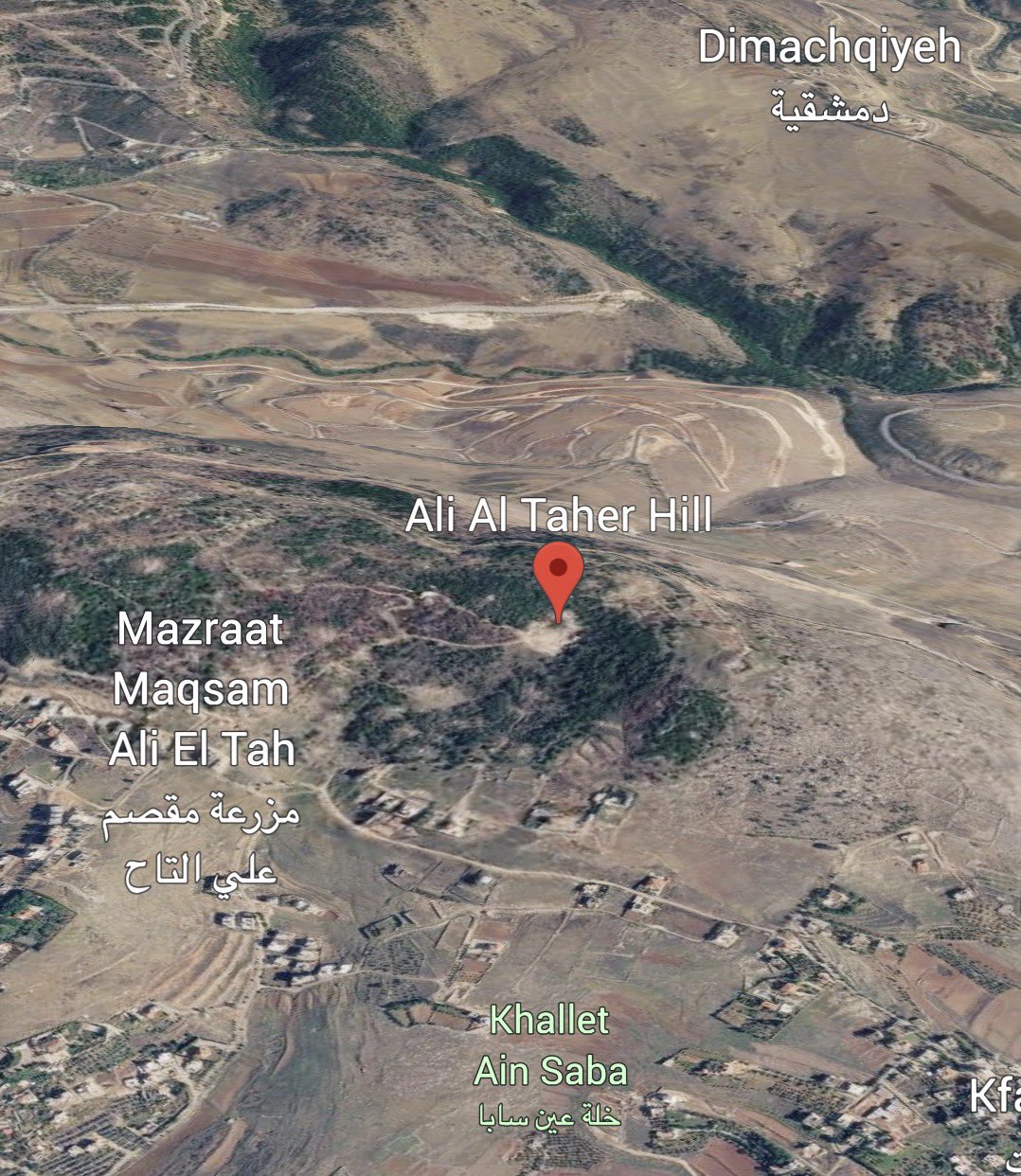
Ali al Taher sits roughly fifteen kilometers north of the Israeli border near Nabatieh. Hezbollah spent years building command facilities, weapons stores and fighting positions beneath it. The ridge sits on the approaches to Iqlim al Tuffah, Hezbollah's logistics base for decades. Israel has it surrounded and has not gone in.
A dozen IRGC personnel are not holding that ridge against the IDF. What matters is what their deaths would authorize.
Israeli troops entering the tunnels and killing Hezbollah fighters is an operation against Hezbollah. The same operation ending with dead senior Iranian officers gives Tehran grounds to call it a direct attack on Iran. And because Iran issued the warning first, sitting on its hands afterward would expose the red line as empty.
There is a real dispute over whether those officers are there. Maariv reported Thursday, citing an Israeli military source, that the IDF assesses there are no IRGC forces inside Ali al Taher and that some Hezbollah fighters have died underground without food or water. Reuters could not verify conditions inside. Hezbollah declined to confirm an Iranian presence.
Iran may not need Israel to know. Israeli planners have to weigh the chance that clearing a bunker leaves Iranian bodies in it. Assume Tehran is bluffing and Israel finds out after the fact. Accept the claim and Iran has shielded Hezbollah's most important remaining position with a message passed through a third country.
Why Hezbollah Wants Step Two
Hezbollah has every reason to keep Iran welded to that ridge.
Losing it costs the group a position it cannot replace. A negotiated outcome costs more. The US brokered roadmap trades Israeli withdrawal for the Lebanese army dismantling Hezbollah infrastructure, and Naim Qassem has publicly rejected that framework and called for its collapse.
Hezbollah cannot reverse that by fighting Israel conventionally. It can make the fight bigger than Lebanon.
Its media office did exactly that in response to Reuters. It did not confirm Iran's warning. It said such a warning would be a natural conclusion, because Iran treats an Israeli ground advance in southern Lebanon as a major violation of the Islamabad Agreement, the June memorandum between Washington and Tehran that included the Lebanon ceasefire.
That moves an Israeli operation against Hezbollah into Iran's file with the United States. Hezbollah does not need Tehran to defend every bunker. It needs this one to involve Iranian personnel and an Iranian agreement before Israeli troops go in.
Hezbollah has already said what step two looks like. A large scale attack on Ali al Taher means a return to full war and missiles on northern Israeli communities.
The Hail Mary Problem
None of this happens in a vacuum. Iran is being economically dismantled while it plays this hand.

The rial is around 2.2 million to the dollar. Sanctions are tightening, maritime trade is strangled, and Iranian and American forces are exchanging strikes again, with Iran claiming attacks this week on US bases in Kuwait and the UAE.
Katz said Thursday that Israeli assessments see economic pressure and fear of internal instability pushing Iran toward desperate action. Then the second half: another Iranian attack removes Israeli restraints, including on energy and critical infrastructure.
That is step three, stated in advance, by the man who would order it.
There is also a version where Tehran is not being dragged anywhere. Israeli security officials told Israel Hayom this week they increasingly assess Iran will lead an escalation through Hezbollah, precisely because it is wary of hitting Israel directly. Under that reading Iran is not a patron getting pulled into its client's fight. It is a regime using its client to punch without signing its name.
Either way the ridge is where it starts.
Why Israel Has Not Gone In Yet
The siege neutralizes Ali al Taher without testing Iran's warning. Isolate the position, kill the resupply, let conditions do the work. Reuters reported Israel has been shooting down drones attempting to deliver food and water.
Fewer casualties, and no dead IRGC officers to answer for. Israel's October election sharpens both sides of it. Destroying a flagship Hezbollah position is something to run on. Burying soldiers killed clearing tunnels weeks before a vote is not.

Waiting has its own cost. Hezbollah has launched explosive drones at Israeli forces near the ridge twice in the past week and Israel has answered with strikes. Whether those came from a local commander or from something coordinated with Tehran, Israel may not know when it decides how hard to hit back. Read a local decision as Iranian and Israel climbs the ladder over something settled in a bunker.
Washington is the brake, if it exists. One official told Reuters US pressure postponed the assault. The White House denies it. The US is running a blockade, fighting around Hormuz and trying to keep Israel and Iran apart. Dead Iranian officers in a Lebanese tunnel could fuse those fronts in an afternoon.
The Ladder
The comfortable read is that Iran is bluffing. The presence could be exaggerated or invented, a way to pressure Washington into leashing Israel and buy Hezbollah a few more weeks.
But the assumption that Iran will not act on Lebanon already failed once this year. Iran fired missiles at Israel in early June over Israeli strikes on Hezbollah outside Beirut, and that was before Tehran attached its own personnel and an explicit threat to this hill.
A Lebanese security official told Reuters an Israeli operation to take the ridge is still possible in the coming weeks.
Israel attacks Hezbollah. Hezbollah and Iran retaliate. Israel goes all out against Iran.
Every side has now said its red line out loud.Iran is being economically choked. Hezbollah is pushing to pull Iran directly into the fight. Israel is heading into the holidays and elections, while warning that another Iranian attack removes all restraints.
These could be the pieces that come right before.