
 Israel National News
Mamdani unveils multimillion-dollar plan to combat antisemitism
Sep 29, 2026·4 min read
New York City Mayor Zohran Mamdani on Tuesday unveiled a sweeping new strategy to combat antisemitism, as anti-Jewish hate crimes continue to rise in the city and questions persist over the mayor's longstanding positions on Israel and Zionism.
City Hall described the initiative as New York City's first comprehensive municipal strategy specifically dedicated to combating antisemitism. The plan includes increased funding for hate-crime prevention, enhanced security for synagogues and other houses of worship, expanded Holocaust and Jewish history education, and new investments in Jewish cultural and memorial institutions.
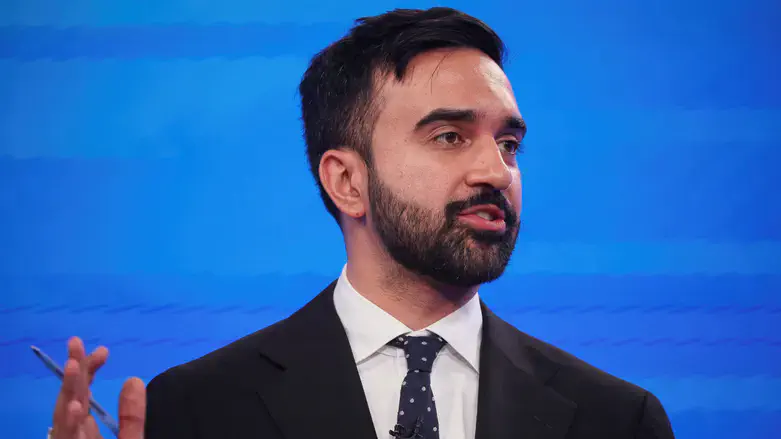
"Antisemitism is real, and it is on the rise," Mamdani said as he unveiled the initiative.
Under the plan, $6.4 million will be allocated to the Partners Against the Hate initiative, which supports community organizations working to prevent hate crimes and assist victims. An additional $1 million will go toward improving physical security at synagogues and other houses of worship.
The city will also provide $2 million for the Queens Holocaust Memorial Garden and $2.5 million for a new Jewish cultural center in Brooklyn.
The strategy calls for expanding student visits to the Museum of Jewish Heritage and launching a citywide campaign highlighting the history and contributions of Jewish New Yorkers.
The announcement follows a broader increase of more than $26 million in funding for the city's Office for the Prevention of Hate Crimes, representing an increase of more than 800%. That funding is intended to combat hate crimes against all communities and is not exclusively earmarked for combating antisemitism.
According to figures cited by the city, antisemitic hate crimes increased by approximately 9% during the first eight months of 2026. More than half of confirmed hate crimes in New York City targeted Jews, despite Jews comprising approximately 10-12% of the city's population.
Mamdani said his administration wants Jewish residents to feel "loved and valued in the most Jewish city in America," pointing to what he described as historic investments in security, education and efforts to counter hatred.
However, the new initiative leaves unresolved one of the most contentious issues surrounding Mamdani's relationship with parts of New York's Jewish community: the definition of antisemitism and its relationship to anti-Zionism.
The strategy does not formally adopt a specific definition of antisemitism and does not establish a definitive standard for determining when anti-Zionist or anti-Israel activism crosses the line into antisemitism.
The issue has attracted particular attention since Mamdani, after taking office, rescinded an executive order issued by his predecessor, Eric Adams, adopting the International Holocaust Remembrance Alliance's working definition of antisemitism.
Mamdani's administration maintains that the city can effectively fight antisemitism without binding itself to a single formal definition.
Critics within the Jewish community have argued, however, that failing to address directly the potential overlap between extreme anti-Zionism and antisemitism leaves a significant aspect of contemporary anti-Jewish hostility unresolved.
Other Jewish organizations have welcomed the administration's focus on concrete measures, including increased synagogue security, education and additional resources for preventing and responding to hate crimes.
Mamdani has long been a vocal critic of Israeli government policy and has rejected accusations that his political positions are antisemitic.
The multimillion-dollar initiative now establishes a formal municipal framework for combating anti-Jewish hatred, even as the politically charged debate surrounding Israel, Zionism and the definition of antisemitism continues.
The announcement was met with skepticism among officials who were briefed on the plan before its formal announcement, the New York Post reported. One person told the paper that while some aspects of the plan were encouraging, "not addressing that people use anti-Zionism as a shield for antisemitism, but not just for hate crimes but from school groups or jobs," was problematic.
Another commenter told the Post that the plan was "underwhelming."
A Jewish lawmaker stated that the "majority of Jews are Zionists and it’s a core part of their religious and ethnic identity."
Others criticized the plan for allocating only $1 million to actually providing security for religious institutions, an amount which critics described as woefully insufficient, calling it "a drop in the bucket" and "laughable."