
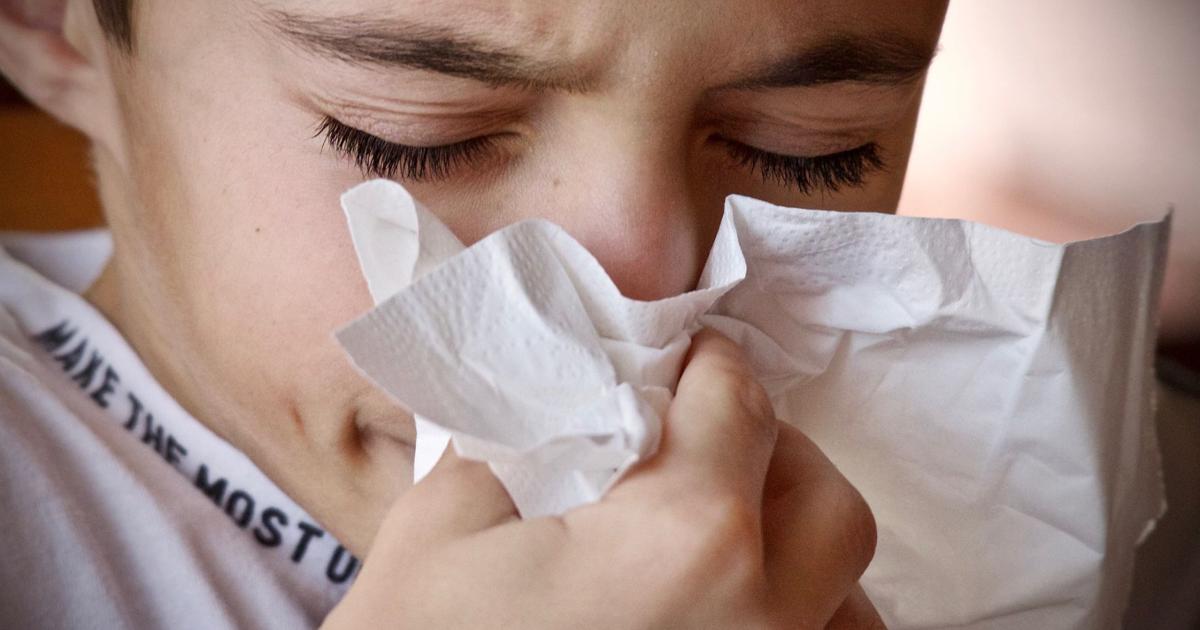

As Halloween approaches, so does a season many parents know all too well: cold, flu and RSV season. Fortunately, there are steps you can take to help protect your family from nasty winter viruses.
There are many viruses children can encounter throughout the school year, some more serious than others. For babies and young children, RSV is one of the leading causes of respiratory illness and can sometimes result in severe breathing problems. Older children and adults are typically less affected by RSV, but they still face other seasonal threats, including influenza, commonly known as the flu.
Many people think of the flu as just another respiratory virus, but it can cause serious illness, particularly in infants, older adults and those with chronic health conditions such as heart, lung or kidney disease, diabetes, cancer or weakened immune systems. Even otherwise healthy kids and adults can get very sick from influenza. A milder case of the flu can still cause high fevers, muscle aches and respiratory symptoms for at least a week. When it causes serious complications, it can lead to hospitalization, respiratory failure or even death.
The best way to protect yourself and your family from the flu virus is through vaccination. Influenza virus strains change every year, which is why it’s important to get a flu vaccine every year. Flu vaccines are available for children 6 months and older and for adults of any age. Children can get flu vaccines anytime once they’re available, preferably before the flu season is at its peak.
It takes about two weeks for the flu vaccine to provide full protection, so consider the timing, especially if you have a large gathering or travel planned. Children ages 6 months to 8 years who have never received a flu vaccine, or have received only one dose in the past, will need two doses this season. For that reason, it’s best to start the vaccination series as soon as possible.
Although the influenza vaccine has been around for a long time, many people are still hesitant about getting the annual shot. Some parents worry about side effects, claiming that it makes them or their kids sicker. While it is possible to get mild flu-like symptoms or fever as a result of the vaccine, these symptoms are still much milder and will resolve more quickly than those from the actual virus.
You may still get sick with the flu despite the vaccine because it is never 100% effective. However, most people who do catch the flu and have had their annual vaccine will experience milder symptoms than if they had gotten sick without any protection.
If your children are due for their annual well visits this time of year, you can request the vaccine during their appointments. For those who aren’t due for a physical yet, you can still schedule a nurse visit just for the flu vaccine. Many clinics – mine included at MetroHealth – also offer flu vaccine clinics in the evening or weekends. These are very convenient if you’re looking to get the entire family vaccinated. You can also get flu vaccines at any private pharmacy, although you should check before scheduling a vaccine for a young kid because many of these locations will only see kids above a certain age.
If your child is scheduled for a nurse visit or annual checkup, it is safe and convenient to receive the flu vaccine along with other recommended vaccines. The flu vaccine can be given at the same time as the COVID-19 vaccine, the RSV immunization for eligible infants or any other vaccines your child may be due to receive.
If you have questions about receiving multiple vaccines during the same visit, or about the flu vaccine in general, talk with your child’s pediatrician. They can help you make an informed decision and address any concerns you may have.
Dr. Laura Shefner writes about pediatric care for the Cleveland Jewish News. She is a pediatrician at The MetroHealth System and practices in Beachwood and Parma.