

On October 19, Benjamin Netanyahu met US Defense Secretary Pete Hegseth at the Uvda air base in southern Israel. Their discussions focused on Iran, regional threats and military cooperation between the two countries. Eight days before Israel’s parliamentary election, the meeting offered a familiar picture of Netanyahu’s political career: a prime minister dealing with questions of national security while fighting to preserve his position at home.
Netanyahu first took office on June 18, 1996. Thirty years later, he remains Israel’s longest-serving prime minister, with nearly 19 years in office across several terms. His political career has survived electoral defeats, coalition collapses and periods in opposition. Yet the election on October 27 presents a challenge unlike those he faced before October 7, 2023.
For much of his career, Netanyahu has built his political identity around the belief that Israel must be able to defend itself without depending entirely on the promises of other governments. He has repeatedly warned, even when the lone voice to do so, about Iran’s nuclear ambitions and the threats posed by armed groups operating along Israel’s borders.
That security doctrine has earned him a loyal following. His supporters point to his knowledge of regional affairs, his relationships with American leaders and his experience in making decisions under pressure. They regard those qualities as the most important in a country that has faced years of military confrontation.
But the Hamas-led attacks of October 7, 2023, fundamentally changed the debate. The failure to prevent the assault on southern Israel remains one of the most serious questions surrounding Netanyahu’s leadership. His critics hold him politically responsible for the breakdown in security, while his supporters argue that responsibility as head of state does not mean blame and that the massacre must also be examined throughout the military and intelligence establishment.
The wars that followed reshaped the region and brought immense suffering, particularly in Gaza. They also forced Israel to confront difficult questions about the relationship between military operations and long-term political security. Netanyahu’s response has remained focused on confronting Hamas, Hezbollah and Iran, sticking to that even as his decisions have faced constant scrutiny at home and abroad.
His years in government, however, cannot be understood through military affairs alone. Before becoming prime minister, Netanyahu served as Israel’s ambassador to the United Nations. He later held senior ministerial positions, including foreign minister and finance minister, and became closely associated with successful market-oriented economic policies which led to the hi-tech boom.
One of the most significant diplomatic developments during his premiership came in September 2020, when Israel signed normalization agreements with the United Arab Emirates and Bahrain under the Abraham Accords. The agreements, reached with substantial American involvement, opened a new chapter in Israel’s relations with parts of the Arab world.
Their importance lay partly in the diplomatic assumption they challenged. For decades, progress toward wider Arab-Israeli relations had been closely tied to resolving the Israeli-Palestinian conflict. The accords showed that some Arab governments were prepared to establish formal relations with Israel before such a settlement. Subsequent wars have tested that diplomatic opening, but the agreements remain an important part of Netanyahu’s record.
His relationship with Washington has been more complicated. Netanyahu has worked with successive American administrations, cooperating closely on security while sometimes disagreeing publicly over Iran and the Palestinian Arab issue. The October meeting with Hegseth demonstrated the continuing importance of that partnership, particularly as tensions involving Iran remain high.
Inside Israel, the arguments are different. The handling of the October 7 failures, judicial reform, exemptions from military service for haredi men and the cost of living have all become important election issues. Netanyahu’s ongoing corruption trial also remains a source of controversy; he denies wrongdoing and the case seems to be melting away.
The political opposition offers its own experienced figures, including former military chief Gadi Eisenkot and former prime minister Naftali Bennett. Their differences with Netanyahu do not always concern the identification of Israel’s security threats. Often, the disagreement is over how those threats should be managed and whether the current government can restore public confidence.
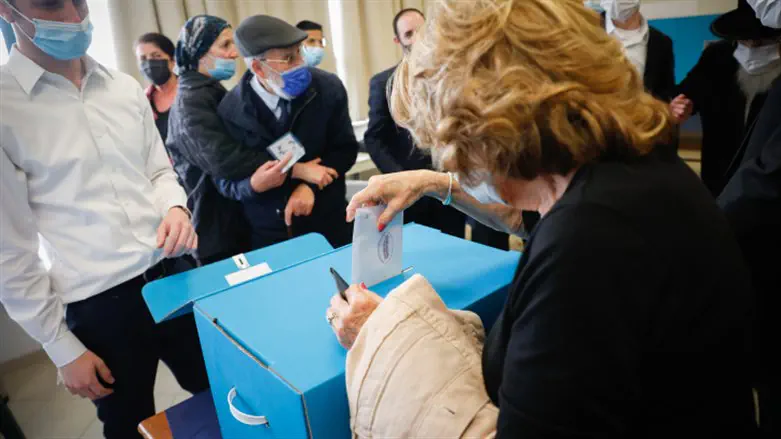
Israelis will not vote directly for a prime minister on October 27. They will elect party lists to the 120-seat Knesset, after which coalition negotiations will determine who can form a government. Netanyahu’s political future will therefore depend on more than Likud’s performance alone.
His influence on Israel is already a matter of historical record. He has helped shape the country’s security doctrine, its regional diplomacy and its relationship with the United States over three decades. He has also become a central figure in some of the deepest disagreements within Israeli society.
The election will not settle every argument about his legacy. It will, however, determine whether the man who first entered the prime minister’s office in 1996 is given another opportunity to lead Israel through a period whose consequences will extend well beyond his political career.