
 Yeshiva World News
MIDNIGHT HAMMER: U.S. Bomber Pilots Describe Iran Nuclear Strike, Credit Israeli Air Force With Making Mission Safer
American bomber crews who struck Iran’s nuclear facilities in June 2025 are revealing new details of their secretive 37-hour mission, describing last-minute changes, elaborate deception and a massive fireball that illuminated the mountains above Fordow.
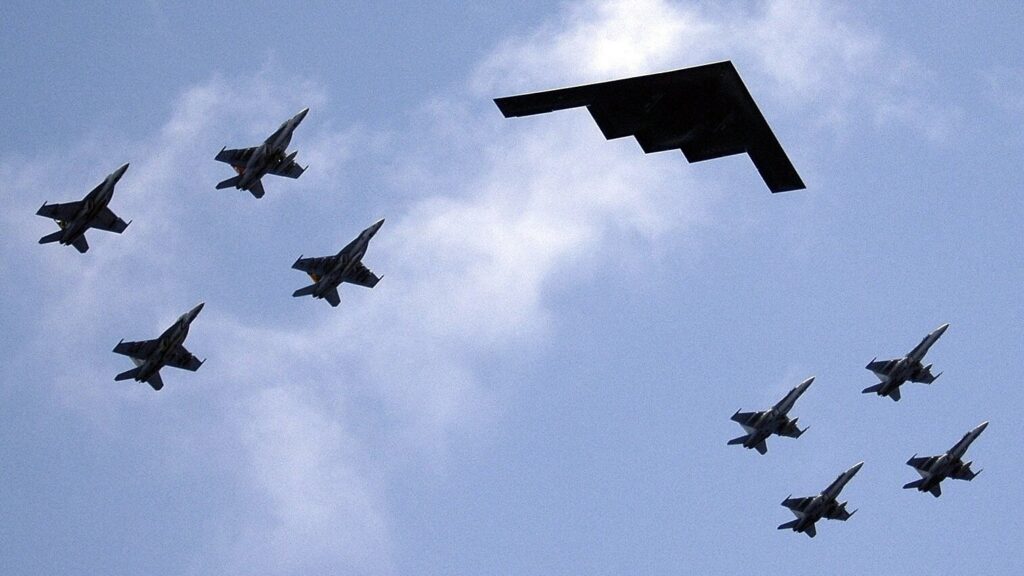
The accounts, published in Air & Space Forces Magazine, describe Operation Midnight Hammer through interviews with participating airmen. Fourteen pilots flew seven B-2 stealth bombers carrying approximately 190 tons of bombs, supported by dozens of fighter jets and aerial refueling aircraft.
Preparations for a possible strike on the deeply buried Fordow enrichment facility dated back to 2009. Central to the operation was the GBU-57 bunker-busting bomb, weighing approximately 13.6 tons, which only the B-2 could carry.
Days before the mission, intelligence indicated that Iran had poured concrete over ventilation shafts at Fordow, forcing planners to revise the attack approximately 16 hours before takeoff. Some pilots had already gone to sleep before the changes were made.
The mission leader, identified in the account as “Alpha,” credited Israel’s opening strikes on June 13 with substantially reducing the dangers facing the American crews. He described the Israeli Air Force’s campaign as a “master class” in Western airpower.
“They eliminated a great many threats and made the mission much safer for us,” he said.
To conceal the operation, other American bombers flew openly westward, drawing media attention toward the Pacific and Indian Ocean regions. The seven aircraft assigned to the actual strike departed Whiteman Air Force Base in Missouri and headed east across the Atlantic and Mediterranean.
The crews kept their mission secret even from their families. Alpha recalled leaving without explaining the assignment to his wife, while other pilots told relatives they were departing on training flights.
Inside the cramped cockpits, the airmen managed exhaustion with short naps, coffee, energy drinks and physician-approved stimulants. One unexpected interruption came when the pilot identified as “Bravo” stood to stretch and accidentally inflated his life preserver, startling his fellow pilot before trying to deflate it.
After approximately 18 hours in the air, the crews saw Tehran’s lights. Six bombers headed toward Fordow, while the seventh continued toward Natanz, which had already been struck by Israeli forces.
At approximately 2:10 a.m. Iranian time, Alpha and Bravo released the first two bombs over Fordow. The crews described the wait for impact as among the longest seconds of their lives, followed by a fireball reaching roughly the height of a ten-story building.
During their departure, cockpit warnings indicated possible hostile activity. One pilot, who had long promised himself he would eat a sandwich over an Iranian target, managed only a single bite before stopping out of concern about a missile attack.
Post-mission reviews determined that Iranian forces had not fired at the bombers, according to the account.
The crews learned during an aerial refueling on the return journey that President Trump had already announced the strikes and that their mission was leading news coverage around the world.
After landing in Missouri, undergoing medical checks and entering a classified debriefing, the pilots were finally told the operation’s official name: Midnight Hammer.
(YWN World Headquarters – NYC)