
 Jewish Breaking News
Australia Grants Asylum to 5 Iranian Women’s Soccer Players After Pressure From President Trump
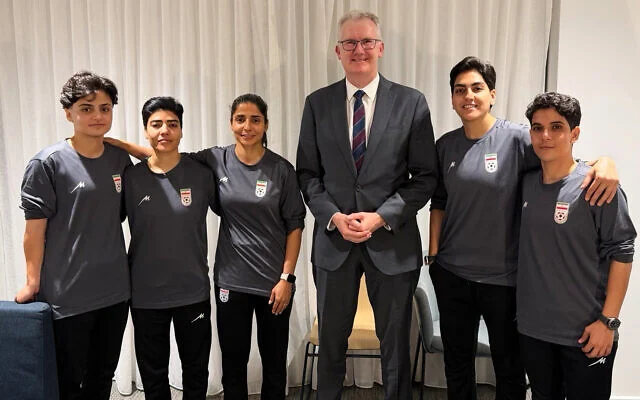
Five members of Iran’s women’s national soccer team have been granted asylum in Australia after reportedly sending desperate SOS signals from their team bus, fearing they could face execution if forced to return home.
The players were in Australia competing in the Women’s Asian Cup when the situation escalated. According to reports, several members of the Iranian squad refused to sing the Islamic Republic’s national anthem before a match. Iranian state media later branded them traitors, raising fears they could face severe punishment upon returning to Iran.
As tensions mounted, five of the athletes reportedly used their phones to send SOS signals from the team bus, alerting officials that they were terrified of going back to Iran after receiving threats tied to the anthem protest.
The players were quietly removed from the team delegation and relocated to a secure location by Australian authorities before being granted humanitarian visas.
Australia’s Home Affairs Minister Tony Burke confirmed the decision, saying the women are now safe.
“They are welcome to stay in Australia and they are safe here,” Burke said.
The dramatic intervention came after U.S. President Donald Trump publicly urged Australia to protect the athletes, warning they could face persecution from the Iranian regime.

After speaking with Australian Prime Minister Anthony Albanese, Trump said the situation was being handled, writing that the Australian leader was “on it” and that the players had already been taken care of.

The five athletes granted asylum are Fatemeh Pasandideh, Zahra Ghanbari, Zahra Sarbali, Atefeh Ramezanizadeh, and Mona Hamoudi.
Additional members of the Iranian delegation may still seek asylum as fears grow that athletes who defied the regime by refusing to sing the anthem could face harsh retaliation if they return home.
The incident has become the latest example of athletes challenging Iran’s ruling clerics on the world stage, where even symbolic acts of protest can carry life threatening consequences.