
 Jewish Breaking News
Blackouts Ignite Rare Anti-Government Protests Across Cuba
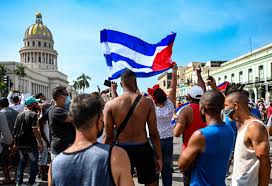
Cuba is experiencing a surge of anti-government protests unlike anything seen on the island in recent years. As blackouts plunge cities into darkness and food shortages worsen, frustrated residents are taking to the streets using the cover of night to express their anger at the country’s worsening conditions.
The latest unrest erupted in the town of Morón, where protesters stormed and vandalized a local Communist Party headquarters, breaking windows, dragging furniture outside, and setting parts of the building on fire. Authorities later confirmed that several people were arrested following the incident.
The protest was sparked by a prolonged blackout that left large sections of the town without electricity during sweltering nighttime temperatures. Residents, already frustrated by months of shortages and deteriorating living conditions, poured into the streets banging pots and pans, which is a traditional form of protest known as a cacerolazo.
Across Cuba, blackouts have become a nightly routine. In many areas, electricity disappears for hours at a time, forcing families to cook without refrigeration, study without light, and sleep in suffocating heat.
The crisis is the latest stage of a prolonged energy collapse that has plagued the island since 2024, when failing power plants, fuel shortages, and aging infrastructure began triggering widespread outages across the country.
Fuel imports have dwindled sharply in recent months, leaving Cuba struggling to keep its electricity grid functioning. The shortage has rippled across the economy, disrupting transportation, tourism, healthcare services, and basic food distribution.
Unlike earlier demonstrations in Cuba, many of the newest protests are happening after dark, when blackouts provide a level of anonymity from government surveillance. Residents in several cities have begun banging pots from balconies or gathering in small crowds to chant against the government.
The protests are not centrally organized and have no clear leadership, but the growing number of demonstrations suggests widespread frustration across the island.
Human rights monitors say protests have increased sharply in recent weeks. According to one source, dozens of demonstrations have occurred in just the first half of March alone as the country’s economic conditions continue to deteriorate.
Cuba’s government has acknowledged the growing public anger but warned that violence will not be tolerated. Officials say protesters who vandalized the Communist Party office will face legal consequences.
At the same time, security forces have stepped up monitoring of activists and dissidents. In one widely shared incident, prominent Cuban journalist and activist Yoani Sánchez reported that an officer was stationed outside her home, preventing her from leaving.
Authorities have also blamed the crisis on external pressure, particularly U.S. economic sanctions, which they say have made it difficult to obtain fuel shipments needed to keep the country’s aging power plants running.
The protests are a symptom of the deepening crisis taking place. Cuba’s economy has struggled for years, but the combination of power outages, food shortages, and declining tourism revenue is pushing the country to its last straw.
Garbage collection has slowed, hospitals are struggling with supply shortages, and public transportation has been disrupted.
Despite all of this unrest, analysts say a full political change in Cuba is not at all certain. The country’s government maintains tight control over security forces, the media, and public gatherings.
But to those living in Cuba, they aren’t just protesting a lack of comfort. As one resident told reporters during the blackout protests, the demonstrations were not only about electricity, they were about the intense struggle of daily life.