
 Jewish Breaking News
Behind the Delay: Israel Knew of Iran Talks Before Trump Reversed Course
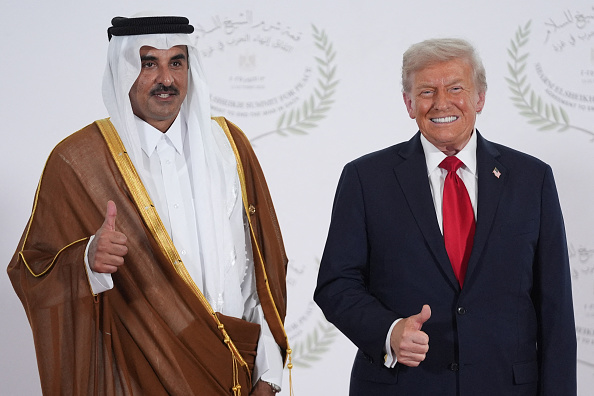
Israel had been aware of talks between Washington and Tehran aimed at reopening the Strait of Hormuz to deflect President Donald Trump’s threat to strike oil and gas infrastructure in Iran, with the overarching goal of reaching a broader ceasefire deal, Israeli officials announced Monday. Qatar and Turkey have been serving as mediators throughout the process. Jerusalem was therefore not surprised by Trump’s recent announcement to delay by five days carrying out his threat to strike oil and gas production sites following what he termed “good and productive talks” with Iran.
Meanwhile, Iran has denied that any talks are ongoing, claiming that Trump caved following its threat to attack energy infrastructure across the region.
Israeli officials said the talks outlined a framework in which a first stage would see Iran reopening the vital waterway that ships a fifth of the world’s oil in return for a delay on Iranian oil infrastructure sites. The second stage would establish a ceasefire.
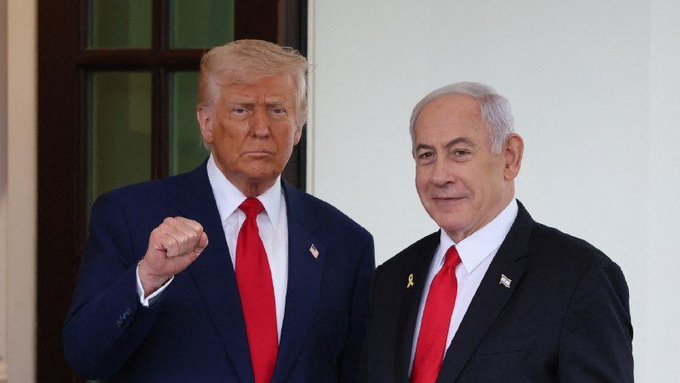
Despite understanding the consequences of striking Iran’s oil and gas production facilities, which would include strikes on its own energy infrastructure, Israel favored the strikes. However, an Israeli official said that Israel is expected to acquiesce to Trump’s plan.
Officials said that Trump has not canceled the military option. He has established a pause to give negotiations a chance to reopen the Strait of Hormuz as oil prices spiked around the globe since the war started. Resuming operations, should Iran fail to offer meaningful concessions, is still on the table.
Qatar and Turkey led the negotiations, with United States Middle East Envoy Steve Witkoff and presidential adviser Jared Kushner conducting talks with Iran’s foreign minister, Abbas Araghchi.
The move reflects U.S. reservations about further escalating the conflict, according to Danny Citrinowicz, a senior researcher at Israel’s Institute for National Security Studies.
“Trump blinked first, out of a clear understanding that striking Iran’s energy infrastructure would lead to significant retaliation,” he said.
Citrinowicz added it’s doubtful that Iran has in fact made meaningful concessions.
“From Tehran’s perspective, this is a notable achievement — they have not surrendered and may have forced Washington to recalibrate its goals,” he said. The United States appears to have downsized its ambition from toppling the regime to reopening the Strait of Hormuz.
“The bottom line is that the conflict is not over,” he said. “It is still evolving, but a path toward de-escalation has emerged.”