
 Jewish Breaking News
ANALYSIS: Trump’s “Ceasefire” Push May Be Strategic Deception as U.S. Troop Surge Signals Possible Kharg Island Operation Against Iran
Shmuli V – Our assessment: President Donald J. Trump is signaling that he is engaging in negotiations with the Iranians, and may even be conducting them deceptively. The more plausible objective is strategic misdirection: to lull Iran into a false sense of security ahead of a potential move against Kharg Island.
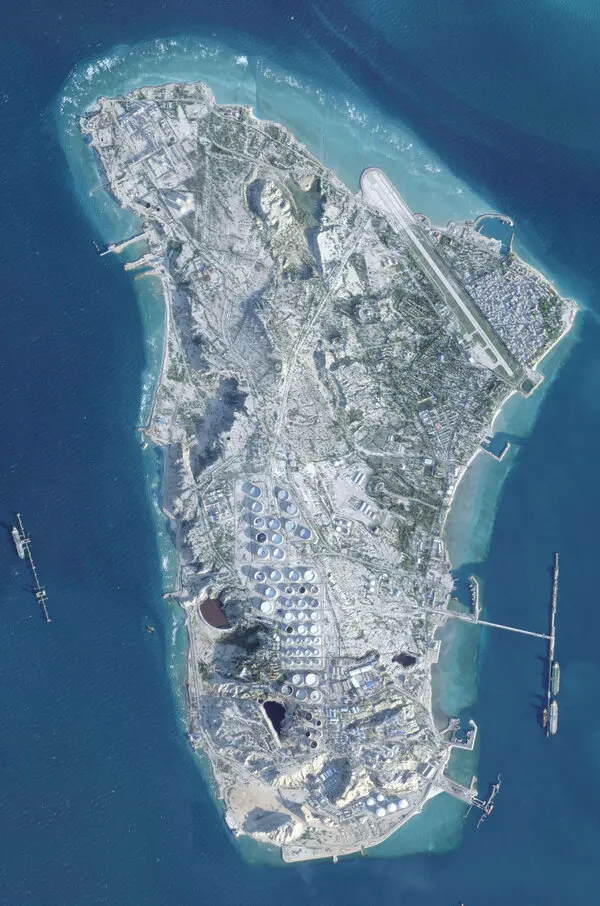
In recent days, thousands of U.S. Marines have been deployed to the Middle East, with arrivals expected in the coming weeks. This pattern mirrors what we saw before the war began, when the U.S. quietly surged forces into the region while publicly maintaining a diplomatic posture.
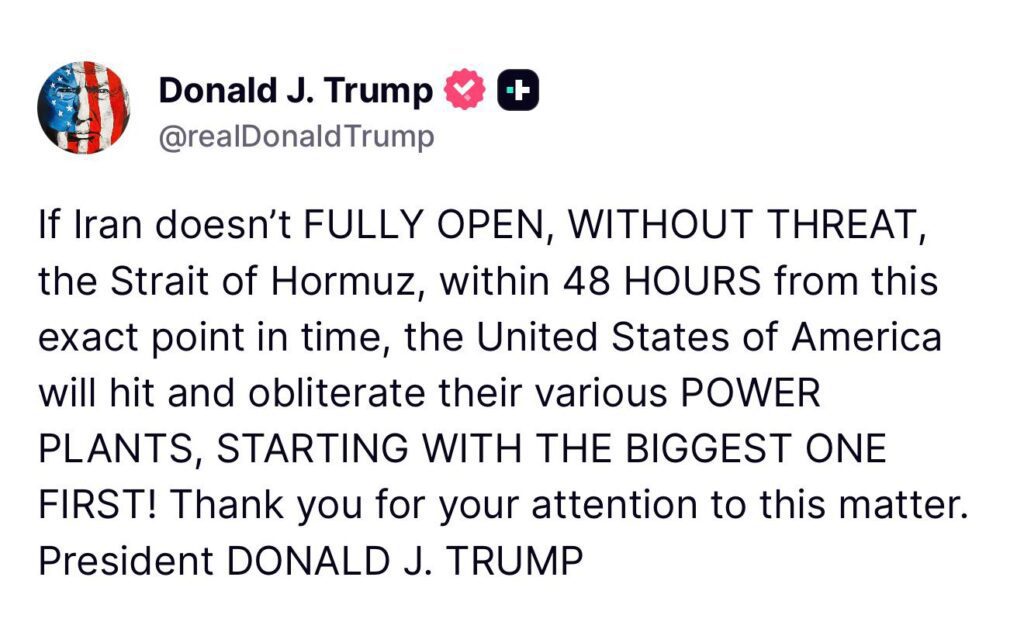
If Trump’s 48-hour ultimatum expires, now with only hours remaining, we are likely to see an American response. Not necessarily immediate, but deliberate. The goal appears to be to convince Iran that negotiations are genuine, only to catch them off guard.
Israeli officials further reinforce this assessment. Their lack of concern suggests that these talks may be part of a broader operational security (OPSEC) strategy. Reading between the lines, this closely resembles the lead-up to previous escalations.
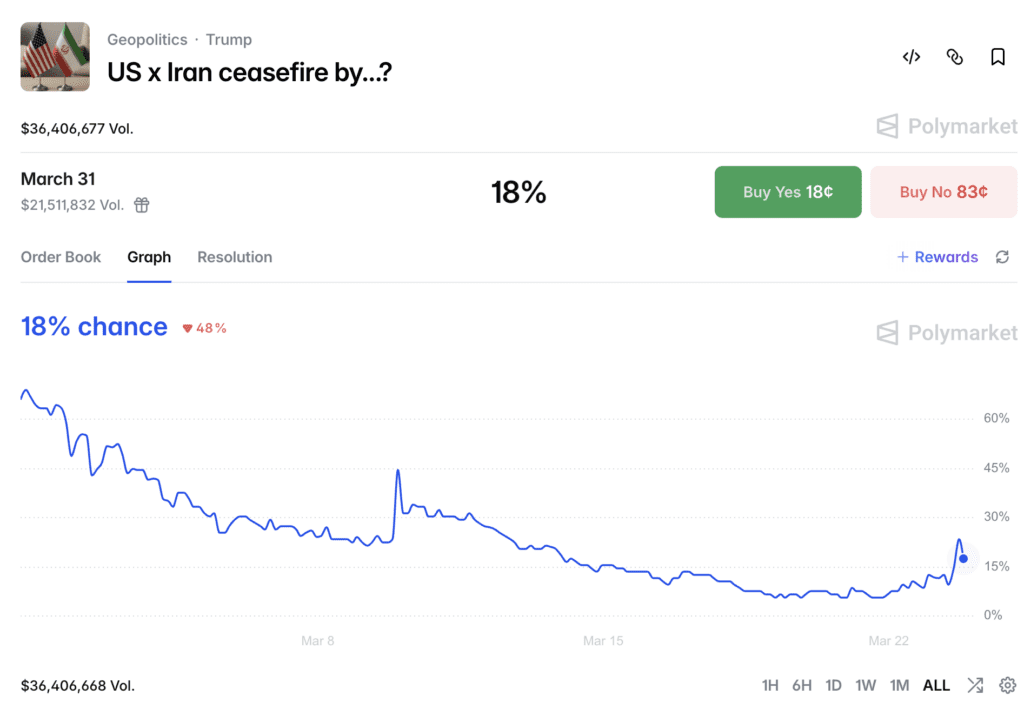
Betting markets reflect similar skepticism. On Polymarket, the probability of a U.S.–Iran ceasefire by March 31 stands at just 18%, implying an 82% likelihood that fighting continues.
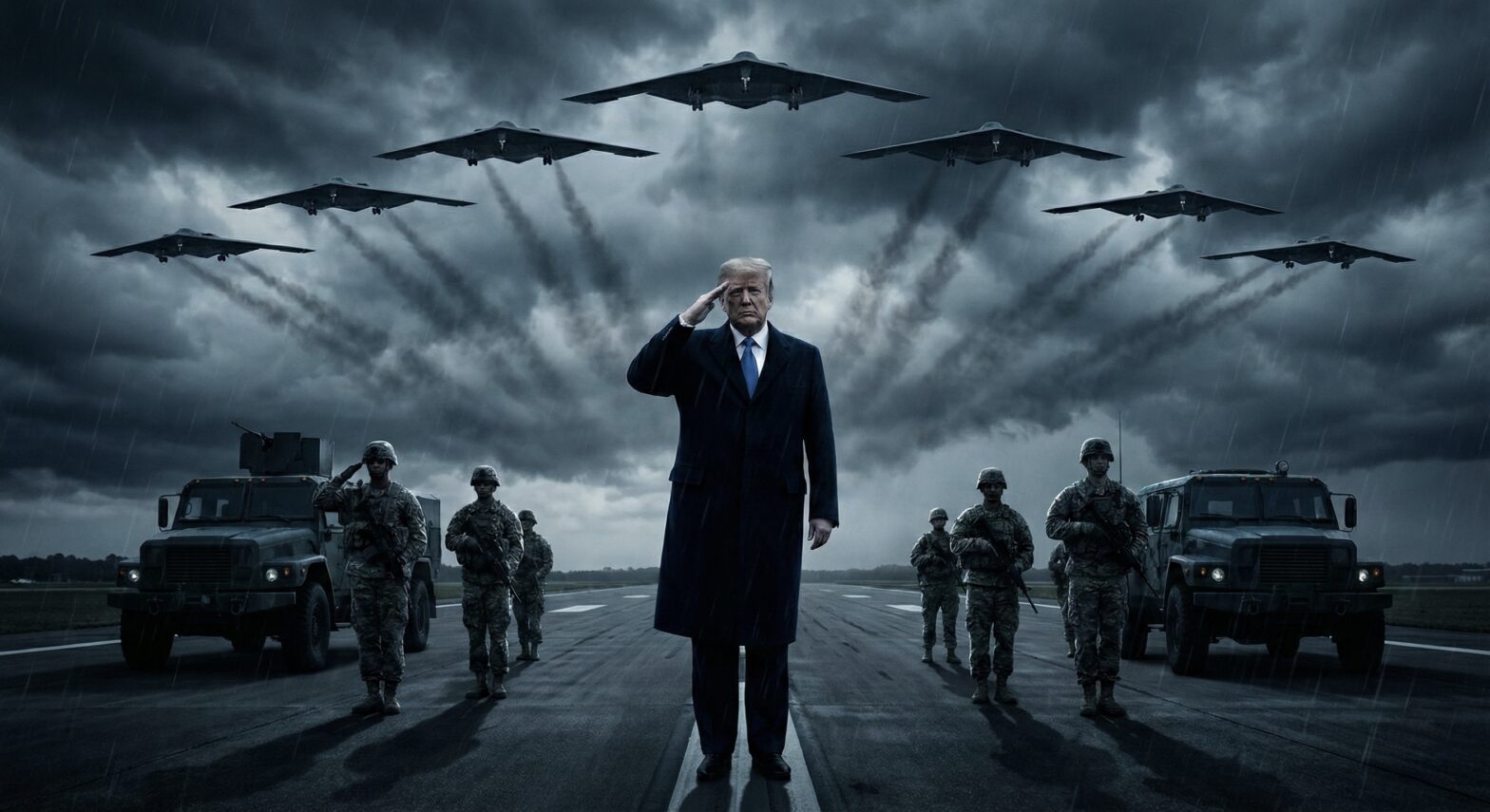
Trump has a documented pattern of using psychological warfare. This has been evident since Operation Midnight Hammer, as well as in the capture of Nicolás Maduro in Venezuela.
We saw a similar playbook before. As outlined in our previous analysis, Strategic Deception: Why Iran Just Showed the U.S. Its Entire Defense Playbook, this approach relies on deception, timing, and controlled escalation.
If this pattern holds, the current “ceasefire narrative” may be less about diplomacy, and more about setting the stage for what comes next.