
 Jewish Breaking News
Jerusalem Brothers Charged in Iran Spy Plot After Using AI to Fabricate “Classified” War Intel and Collect Six-Figure Crypto Payments
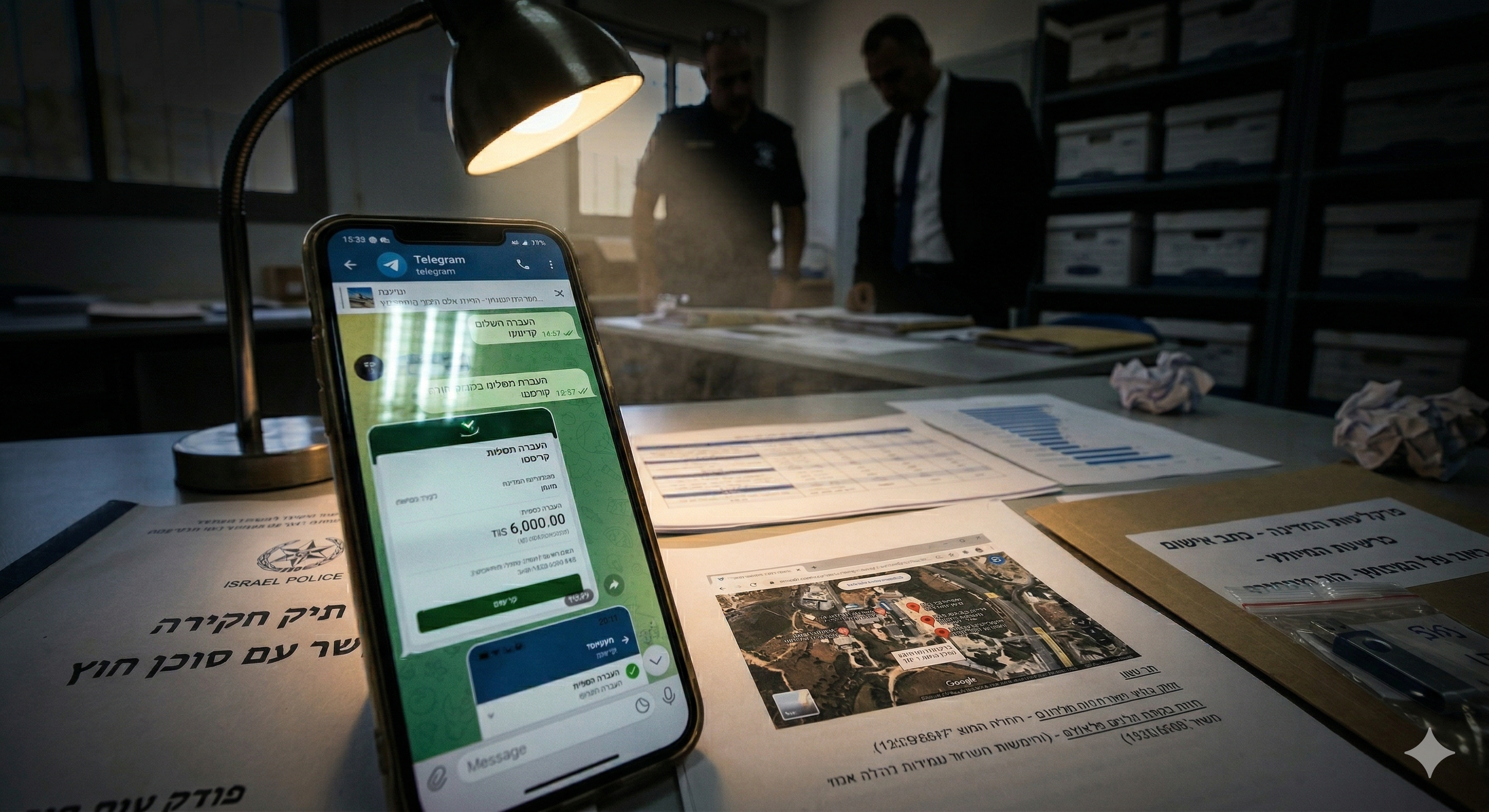
Israeli prosecutors have unsealed an indictment against two brothers from the Jerusalem area accused of knowingly maintaining contact with an Iranian handler over Telegram and taking more than NIS 100,000 in cryptocurrency in exchange for security-related material. The charges, now public after a court lifted a gag order, include contact with a foreign agent and passing information to the enemy.

According to the indictment, the main defendant allegedly suspected from the outset that he was dealing with an Iranian operative, but kept the channel open anyway. Prosecutors say he used ChatGPT, Grok, Gemini, and Google Maps to manufacture dossiers, coordinates, forged documents, and even an AI-generated verification image to convince the handler he had access to an IDF Unit 8200 soldier. Investigators say the material included supposed details about a future Israeli-American strike on Iran and lists of strategic targets inside the Islamic Republic.

What makes the file especially striking is that prosecutors say much of the intelligence was fabricated, but the operation was still very real. The indictment alleges the defendant dug up personal details of an Iranian civilian on Telegram, built a false narrative tying him to Israeli operations, and sent forged material that contributed to that man being detained and later cleared. The brothers’ lawyer insists they were trying to deceive the Iranian regime rather than help it, calling the indictment outrageous and claiming they should be thanked, not prosecuted. Israeli authorities clearly do not see it that way.
Over the past two years, dozens of Israelis have been charged in Iran-linked espionage cases, with Telegram repeatedly emerging as the entry point. Security officials say the pattern is consistent: small paid tasks lead to more serious requests, then to intelligence-gathering, surveillance, and in some cases alleged attack plotting. The volume of cases has grown enough that Israel opened a dedicated wing at Damon prison for suspects in Iran spy cases.

Tehran does not need every recruit to deliver genuine secrets to score a win. It needs channels, access, and Israelis willing to answer a message, take money, and normalize contact with a hostile regime. Research on Iran’s playbook shows these operations increasingly mix digital recruitment, social engineering, and AI-generated deception because they are cheap, scalable, and hard to detect early. This indictment is another reminder that the battlefield is not only in the air or on the border. It is also sitting in Israelis’ phones.
