
 Jewish Breaking News
Israel Eases Wartime Flight Restrictions: Ben Gurion Outbound Cap Raised to 80 Passengers Per Flight Amid Ongoing Missile Threats and Severe Aviation Disruptions
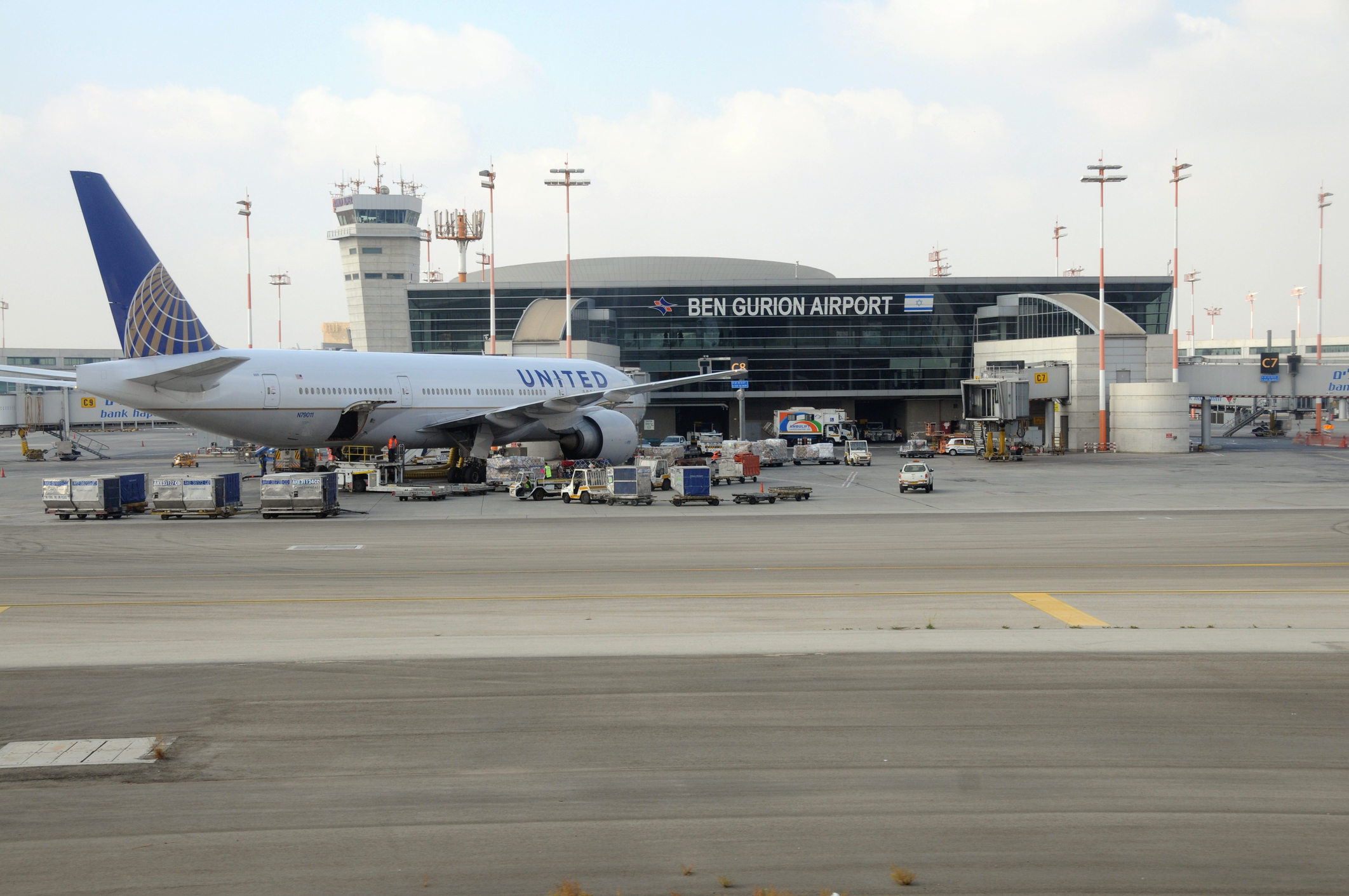
Starting Saturday night, Israel is expected to ease some of the wartime restrictions at Ben Gurion Airport, with the cap on departing passengers set to rise to 80 per flight. The change, coordinated by the Israel Airports Authority and Home Front Command, would partially roll back the stricter emergency framework that had limited outbound flights to 50 passengers, alongside a small number of humanitarian exceptions.
The broader system still remains heavily restricted. During the latest security clampdown, only one departing flight per hour and one arriving flight per hour were allowed, while inbound flights could land full. The tighter limits were imposed after renewed Iranian missile threats and pressure from security officials to further reduce risk around Ben Gurion.

The aviation disruption has spilled beyond Israel’s borders. Arkia shifted parts of its operation to Aqaba and Taba, but its Aqaba plan ran into trouble after Jordanian authorities changed policy and blocked approvals for some flights, leaving passengers stranded and forcing cancellations. At the same time, El Al warned its outbound seat supply had dropped to roughly 5% of normal levels and pushed to open Ramon Airport as an additional outlet, while maintaining a limited network to key destinations including New York, Los Angeles, Miami, London, Paris, Rome, and Athens.
Israel is beginning to reopen a bit of breathing room for outbound travel, but the skies are still far from normal, and airlines remain constrained by both security rules and regional disruptions.