
 Jewish Breaking News
Dramatic Rescue: U.S. Special Forces Launch Massive High-Risk Mission Deep Inside Iran, Save Downed F-15E Weapons Officer After 24-Hour Mountain Escape and Destroy Aircraft to Avoid IRGC Capture
The missing American airman is now out of Iran after a U.S. special operations rescue recovered the second crew member of the F-15E Strike Eagle shot down Friday. The officer was the jet’s weapons systems officer, not the pilot, and President Donald Trump said he was injured but expected to recover. The pilot had been recovered earlier, within hours of the shootdown.
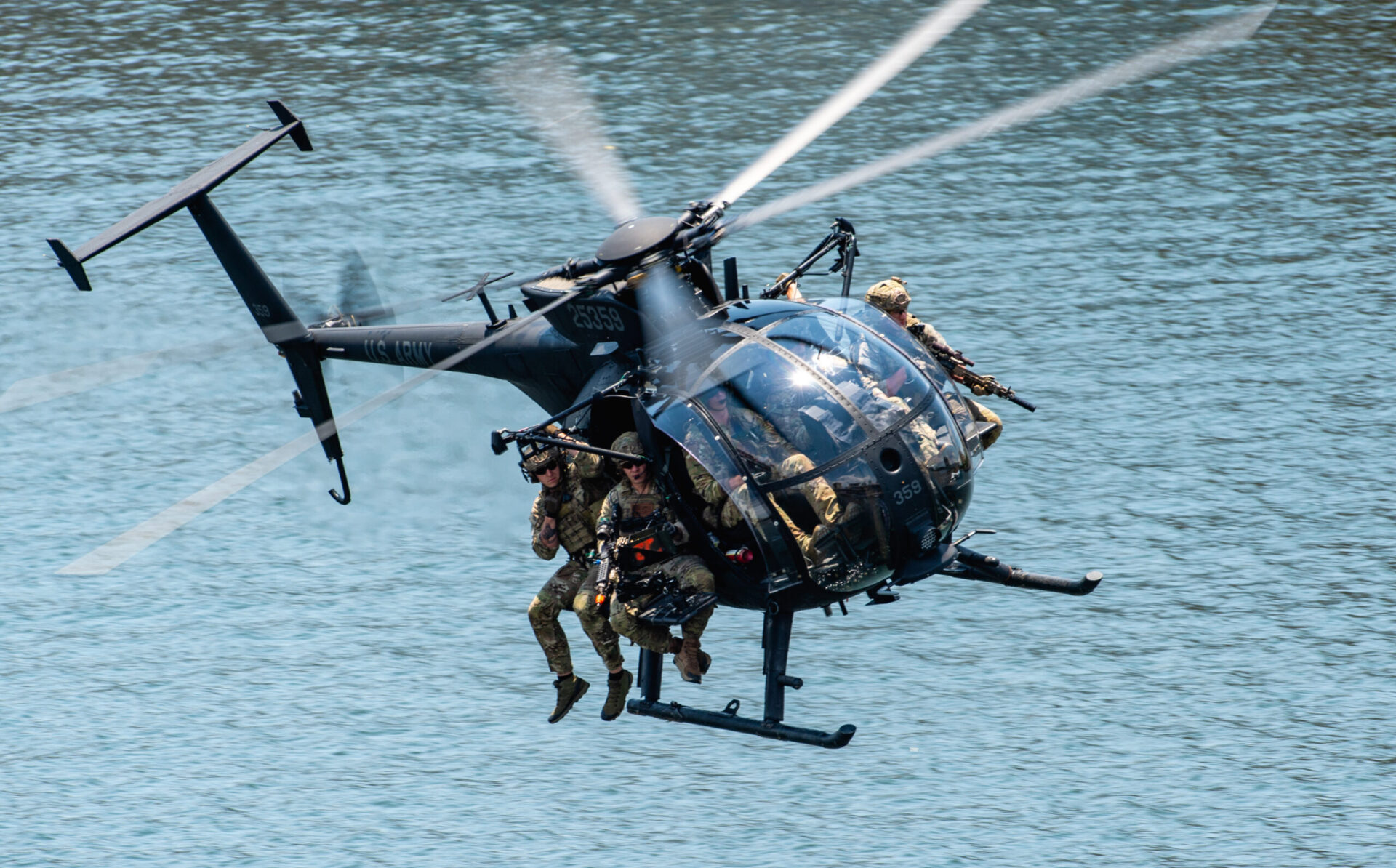
All details point to a rescue effort that drew on hundreds of special operations troops and other personnel, dozens of aircraft, and a wider envelope of intelligence, cyber, and space-enabled support. One senior U.S. military official described it, in the New York Times account, as one of the most challenging and complex missions in the history of American special operations.
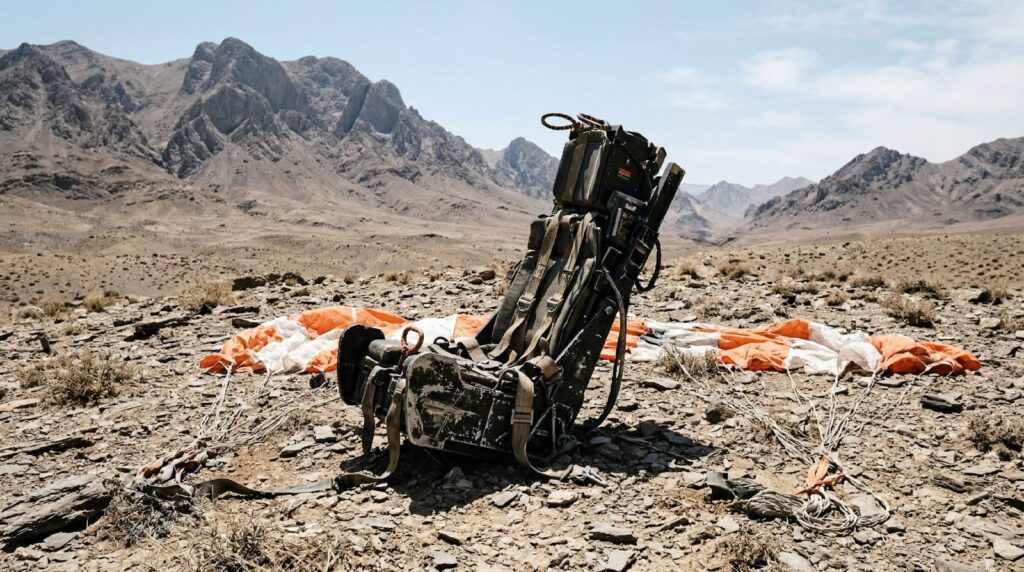
The most dramatic part of the story is what happened between the shootdown and the extraction. Axios reported that the officer was wounded on ejection but still able to move, then evaded capture in the mountains for more than a day. He then moved away from the wreckage, activated an emergency beacon, and hid on elevated terrain; one source said he even climbed a 7,000-foot ridgeline.

The intelligence picture appears to have been just as important as the gunships and commandos. Axios reported, that the CIA ran a deception campaign inside Iran before the rescue force moved in, spreading false information that the missing officer had already been found and was being moved elsewhere. A senior administration official called it the “ultimate needle in a haystack,” saying the CIA then passed the officer’s precise location to the Pentagon and the White House.
That bought time, but it did not produce a clean corridor. Iranian civilians had been urged to help locate the airman, while IRGC forces also moved toward the area to block a rescue. U.S. aircraft then struck or fired on Iranian convoys closing in on the hiding place. Several accounts describe heavy exchanges of fire around the extraction, while Wall Street Journal live coverage said there was no significant ground firefight even though the mission used overwhelming firepower and unfolded under intense pressure.
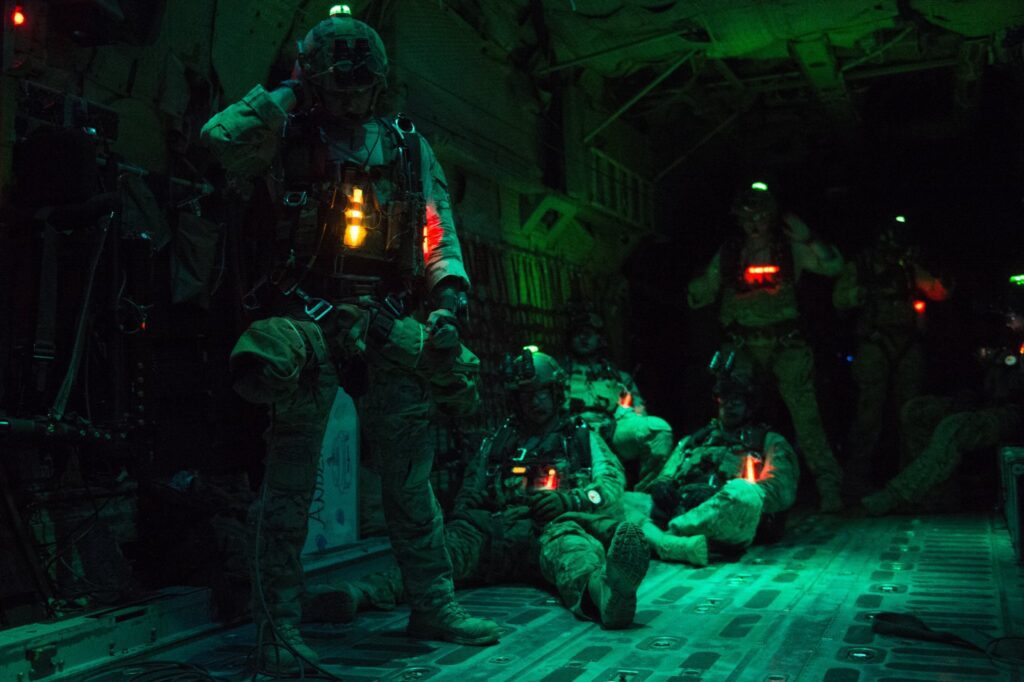
The exfiltration itself nearly collapsed at the end. At least one transport aircraft malfunctioned inside Iran and had to be destroyed by U.S. forces after the airman was moved toward it. Air & Space Forces Magazine said two MC-130J special operations aircraft were blown up on the ground and three replacement aircraft had to be flown in to get everyone out.
Iran, predictably, is telling the story very differently. Reuters, quoting Iranian officials and Tasnim, reported Tehran’s claim that a C-130 and two Black Hawk helicopters were destroyed during the mission. American outlets say Black Hawks involved in the broader rescue effort were hit by Iranian fire but escaped, while the transport aircraft losses appear to have been caused by U.S. self-destruction to prevent sensitive platforms and equipment from falling into Iranian hands.
Air & Space Forces Magazine described the F-15E downing as the first known combat loss of a U.S. crewed aircraft in the Iran war, and it came the same day an A-10 was also lost after being hit, though that pilot made it to friendly airspace and ejected safely. That undercuts earlier public talk about uncontested American control of the skies and shows that even after weeks of U.S. and Israeli strikes, Iran still retains enough air-defense capacity to threaten manned aircraft and complicate recovery missions deep inside its territory.
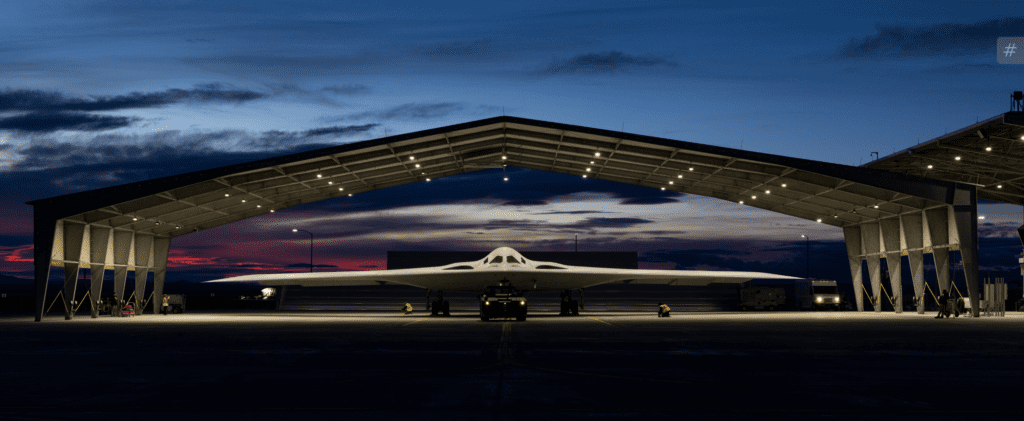
It also explains why Washington was willing to throw so much force at one isolated officer. In an F-15E, the second seat is not a passenger seat but a weapons systems officer position; the Air Force’s own fact sheet describes the Strike Eagle as a two-crew aircraft built around a pilot and a WSO for long-range strike and air-to-ground combat. And the MC-130J aircraft that reportedly played a central role are designed specifically for clandestine infiltration, exfiltration, and resupply missions in hostile or politically sensitive territory. In other words, the platforms named in the reporting fit a classic high-end personnel-
Notably, Ynet said Israeli officials shared intelligence with the U.S. during the search and that the IDF helped keep Iranian forces away from parts of the search area.
A rough timeline looks like this. Friday, the F-15E is brought down over Iran and both crew members eject; the pilot is recovered first, while the WSO remains behind enemy lines. The same day, an A-10 is also hit and later lost, though its pilot survives after reaching friendly territory.
Over the next day, the missing officer remains on the move in mountainous terrain while Iran mobilizes forces and civilians to find him. Intelligence collection intensifies, the CIA reportedly runs a deception effort, and U.S. aircraft strike approaching Iranian elements to keep the search area from closing around him.
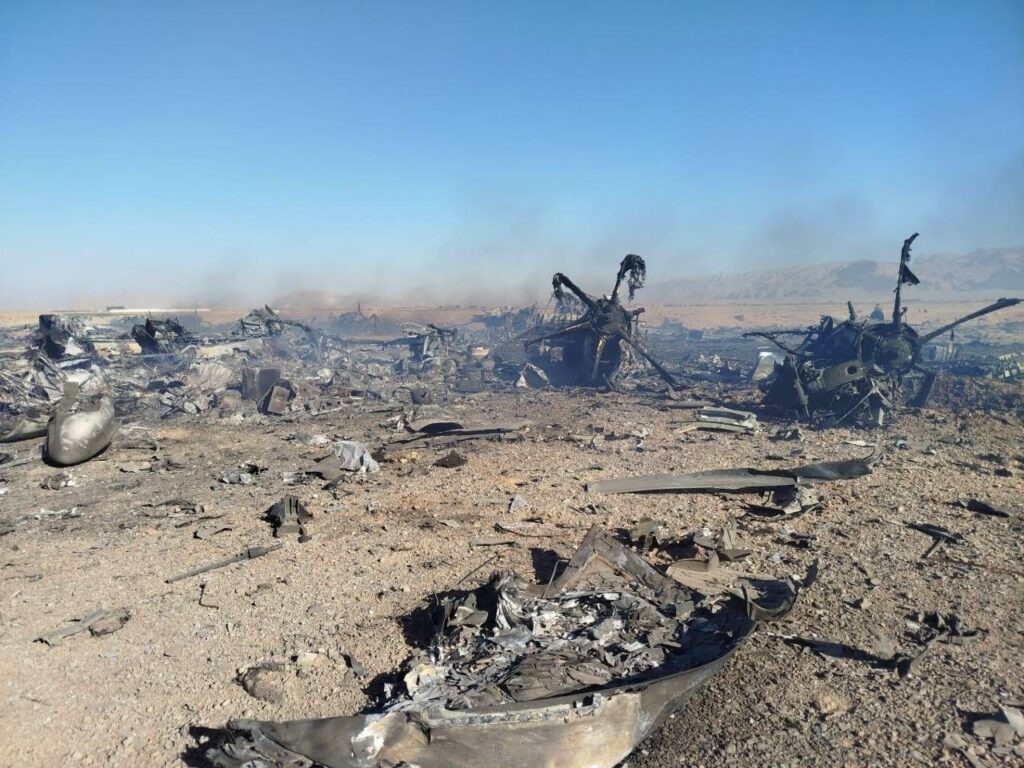
Then comes the rescue push itself, specialized commandos, heavy air cover, and wider ISR support converge on the officer’s position. He is reached alive, but the extraction becomes even more complicated when transport aircraft on the ground are disabled or stuck, forcing U.S. commanders to destroy them and improvise a second lift to get the officer and the recovery force out.