
 Jewish Breaking News
High Court Doubles Western Wall Prayer Cap to 100 After Approving Habima Protest, Fueling Claims of Unequal Wartime Restrictions
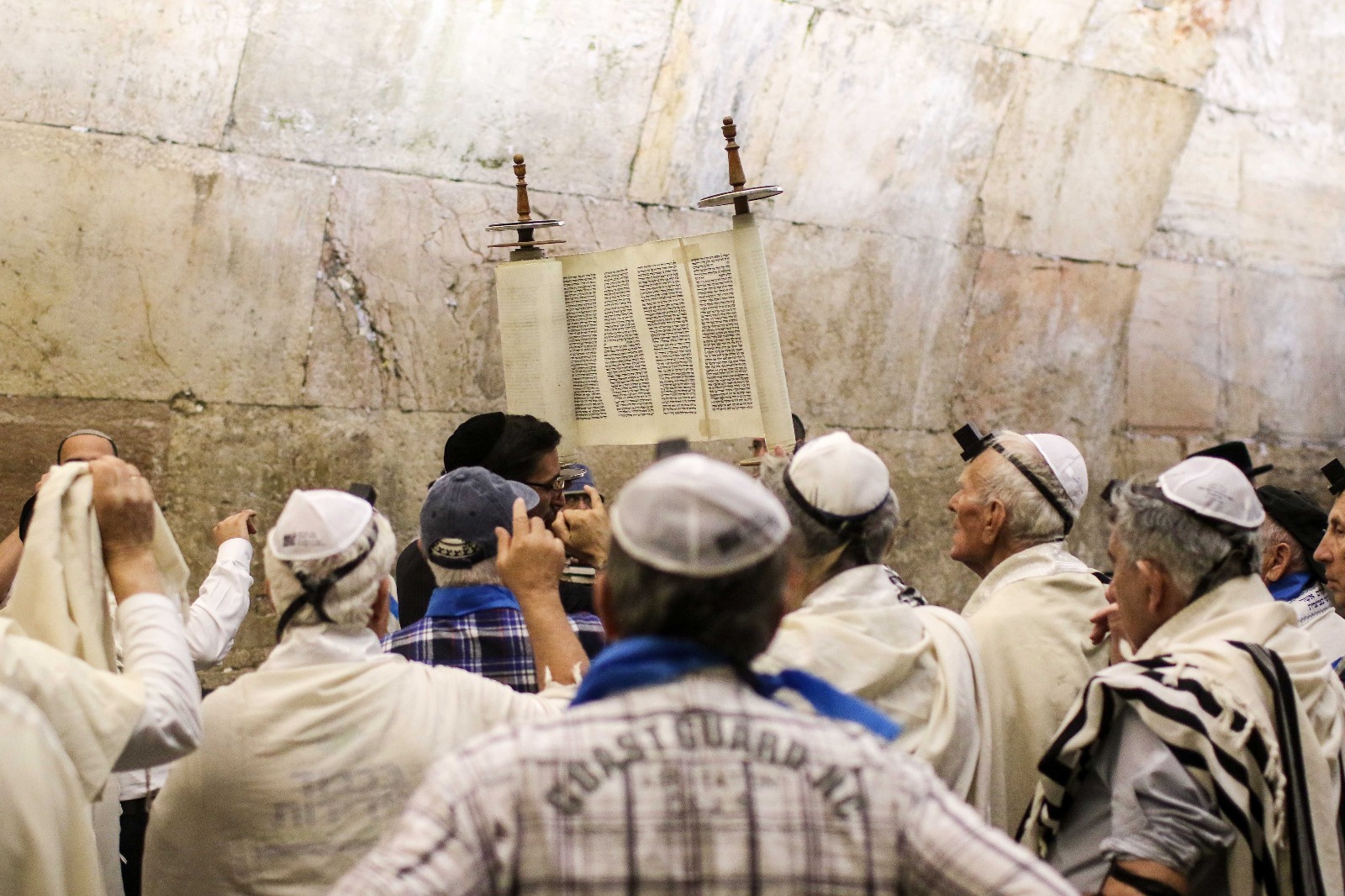
Israel’s High Court on Sunday raised the number of worshippers allowed at the Western Wall from 50 to 100, effective immediately, after a petition argued that the state was applying one standard to anti-war protests and another to prayer at Judaism’s holiest site. The court also left the broader case alive and scheduled another hearing later this week on how wartime restrictions at holy sites are being set.
The legal and political firestorm began a day earlier, when the court allowed up to 600 demonstrators at Tel Aviv’s Habima Square and up to 150 people at three additional protest sites. That ruling fueled accusations of selective enforcement, especially as Passover prayers at the Kotel remained under far tighter limits during one of the most symbolically sensitive days of the holiday.

In court, the state said the Western Wall plaza has very limited nearby protected spaces, which is why the Home Front Command had capped entry so sharply. Police later presented a broader outline that would allow groups of up to 150 at a time with rapid evacuation during alerts, but the judges approved a narrower immediate step of 100 while demanding a fuller explanation from the state. Court President Isaac Amit reportedly said it was “embarrassing” to see the Kotel nearly empty during Birkat Kohanim.

(Photo by Faiz Abu Rmeleh/Anadolu Agency/Getty Images)
The result is a partial climbdown, not a final resolution. Worship at the Kotel has now been expanded, but the larger fight over freedom of prayer, wartime security, and what critics call unequal treatment between protest and worship is still very much open.