
 Jewish Breaking News
From Pharaoh to Tehran: Why the Iranian Regime Refuse to Let Go?
Why the Iranian Regime Refuse to Let Go? Lessons to learn from passover’s miracle.
For more than 3,000 years, the Jewish people have marked Passover not only as a story of liberation, but as a lesson in how history unfolds when power, arrogance, and destiny collide.
The Exodus was not a single moment. It was a long process.
The Jews were enslaved in Egypt for almost 250 years under one of the most powerful empires of the ancient world.
Pharaoh was not just a ruler, he represented absolute control, convinced of his own permanence.
When Moses first came to him with a simple demand, “Let my people go,” Pharaoh refused!
What followed was not immediate victory, but a prolonged confrontation.
Plague after plague struck Egypt. Blood. Frogs. Lice. Devastation that disrupted every aspect of Egyptian life. Each time, Pharaoh appeared ready to concede. Each time, when the pressure eased, he hardened his position again.
The Torah describes this in a striking way. Pharaoh’s heart was hardened. Not once, but repeatedly.
The obvious question is: why?
Why would a ruler continue down a path that clearly led to destruction? Why not stop after the first warning, or the second?
Because sometimes the story is bigger than a single decision. It is about exposing the limits of power, dismantling illusions, and making a moment so undeniable that it reshapes history.
Only after the final blow, the death of the firstborn, did Pharaoh break. Only then did the Jewish people leave, not as fleeing slaves, but as a nation reborn, carrying with them not only freedom but a message the world would remember.
Today, we may be witnessing a similar pattern.
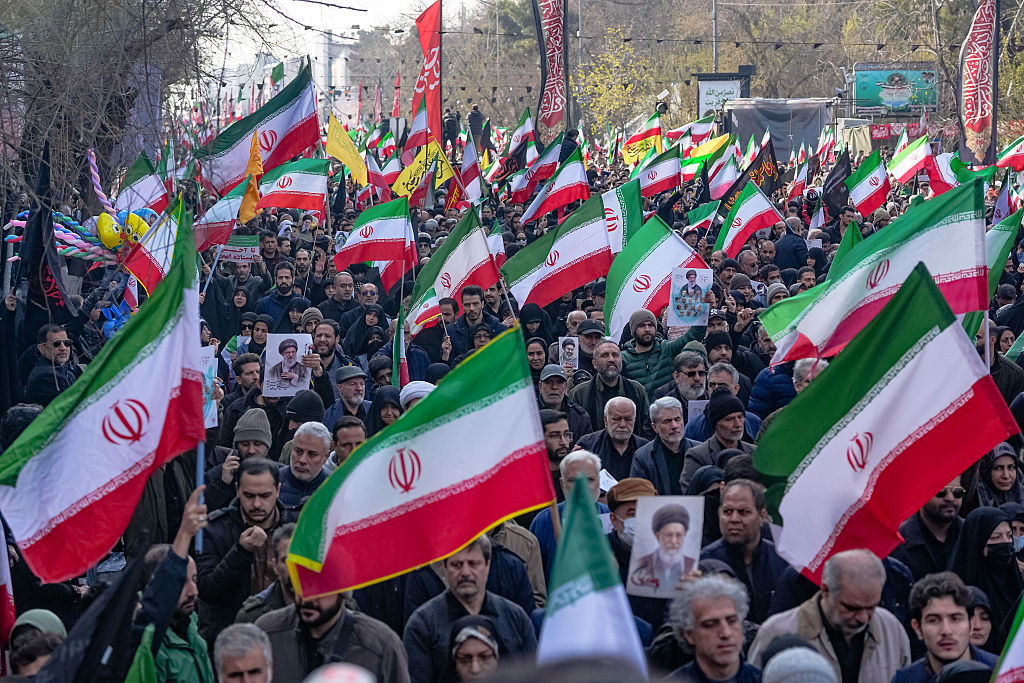
For decades, the Iranian regime has defined itself through confrontation, threats, and the pursuit of destructive power. Time and again, it has been warned. Time and again, it has been pressured. And yet, like Pharaoh, it refuses to change course.
Even as it absorbs damage, even as its people suffer, the leadership continues, doubling down, refusing to step back.
It raises the same uncomfortable question: why persist in a path that leads to collapse?
History suggests that such moments are rarely quick. Just as Egypt was not transformed overnight, neither are modern regimes that have built their identity on defiance and control.
What feels like delay may, in fact, be a process.
A process that exposes, step by step, the true nature of power. A process that makes the outcome undeniable, not only to those directly involved, but to the entire world.
Passover teaches us that redemption does not always come in a single moment. Sometimes it comes through persistence, through endurance, and through a series of events that build toward an irreversible conclusion.
This war is very hard for the people of Israel, for the people of the region, and for the good people of Iran. Yet, it will take time to defeat the evil that shapes our modern history, just as it took time then. We need patience, and I am certain that history will repeat itself. We will see another victory, one that will lead to a new celebration for the Jewish people and for the entire region. Not just the Jews—people across the region are suffering.
After this, we will see a new Iran, peace between countries, and we will see God’s great miracles once again.