
 Jewish Breaking News
Firebomb Attack Targets North Macedonia’s Only Synagogue in Skopje, Raising Alarm for One of Europe’s Smallest Jewish Communities
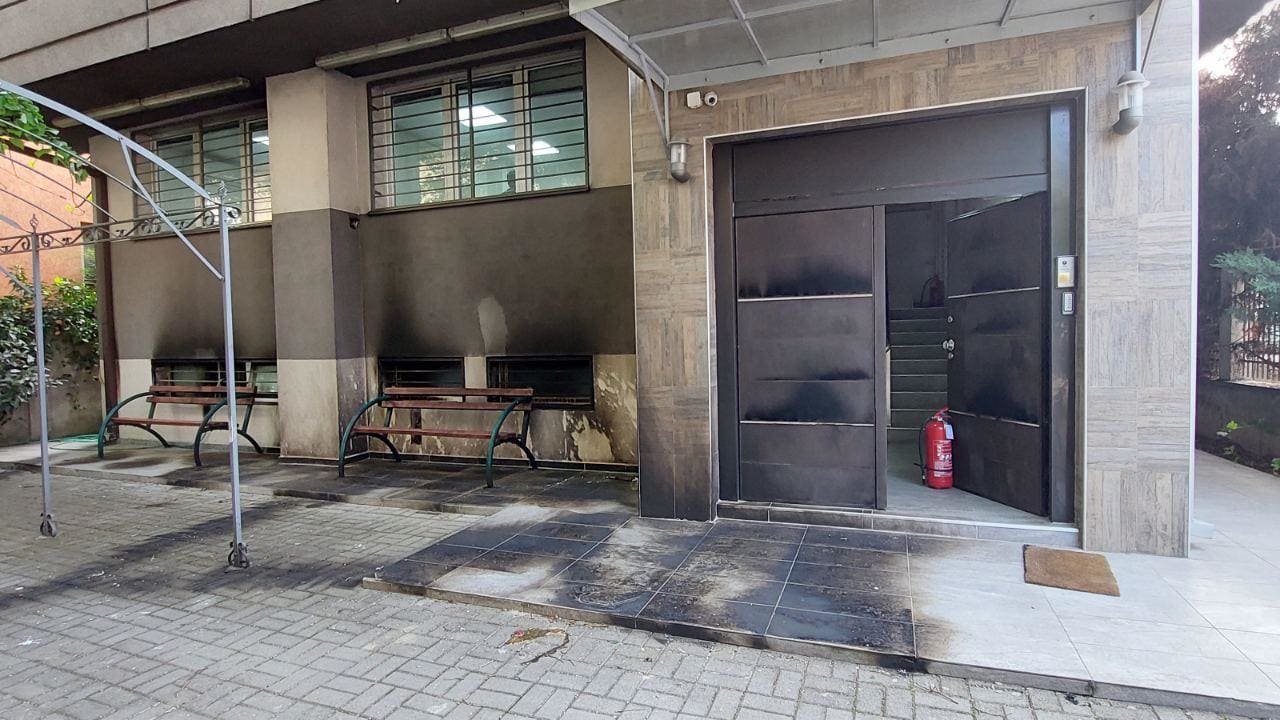
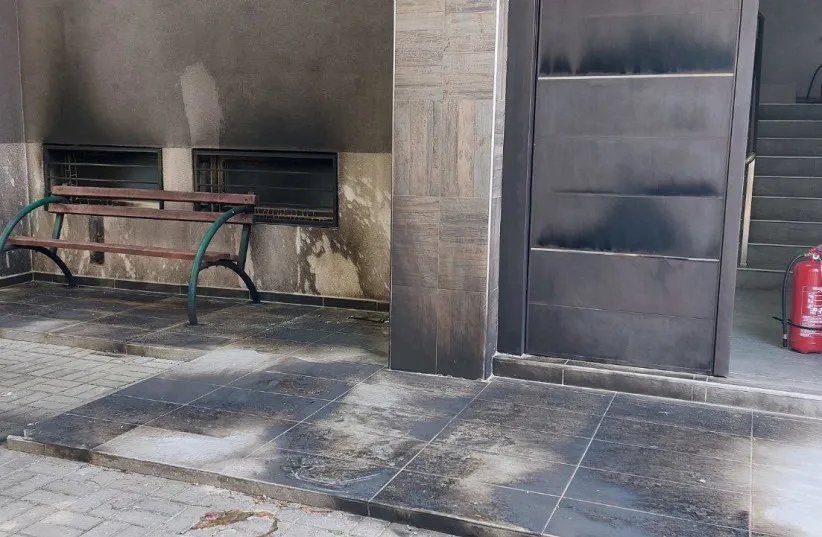
An attempted arson attack on the Beth Yaakov synagogue and Jewish community building in Skopje has sent a jolt through one of Europe’s smallest Jewish communities. According to local reporting, community officials, and North Macedonian authorities cited in public statements, two suspects were seen approaching the site before the entrance was doused with accelerant and set ablaze. The fire damaged the door and courtyard area. No injuries were reported, and police say an investigation is underway.
Beth Yaakov is the only functioning Jewish house of worship in North Macedonia and serves as the center of organized Jewish life in the country. Community leaders described the incident as the first attack of its kind in the country’s modern history, a stunning breach in a place long seen as relatively stable for Jewish life in the Balkans.
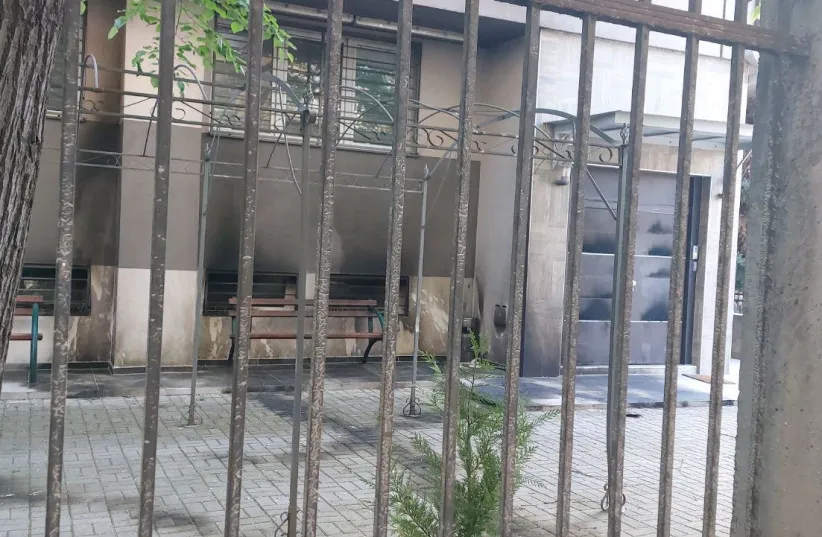
The attack took place during Passover and on Orthodox Easter morning, turning what should have been a period of faith and continuity into a moment of fear. North Macedonia’s foreign minister publicly condemned the attack as “utterly unacceptable,” while Jewish organizations said the assault was not just against a building, but against coexistence itself. European Jewish leaders also warned that the incident reflects the vulnerability of Jewish sites across the continent, even in countries where open antisemitic violence has historically been rare.
For Skopje’s Jews, the story carries a deeper historical weight. In 1943, 7,144 Macedonian Jews were deported to Treblinka, and about 98% of the community was murdered in the Holocaust. The current community is only a fraction of what once existed, and Beth Yaakov is more than a synagogue. It is a symbol of survival, continuity, and the rebuilding of Jewish life after near-annihilation. That is why even limited physical damage lands as something far bigger: a direct strike at memory, identity, and the sense that this small remnant community could live without looking over its shoulder.
Police are reviewing surveillance footage, witnesses are being interviewed, and additional security measures have reportedly been put in place around Jewish sites. But the larger test goes beyond arrests. It is whether a country that has long presented itself as a model of multiethnic coexistence can stop imported hatred, political radicalization, and anti-Jewish incitement before they harden into something worse.